Watching the Ganga Aarti from a 214-Year-Old Palace: The Varanasi Experience That Cannot Be Replicated
16-07-2026

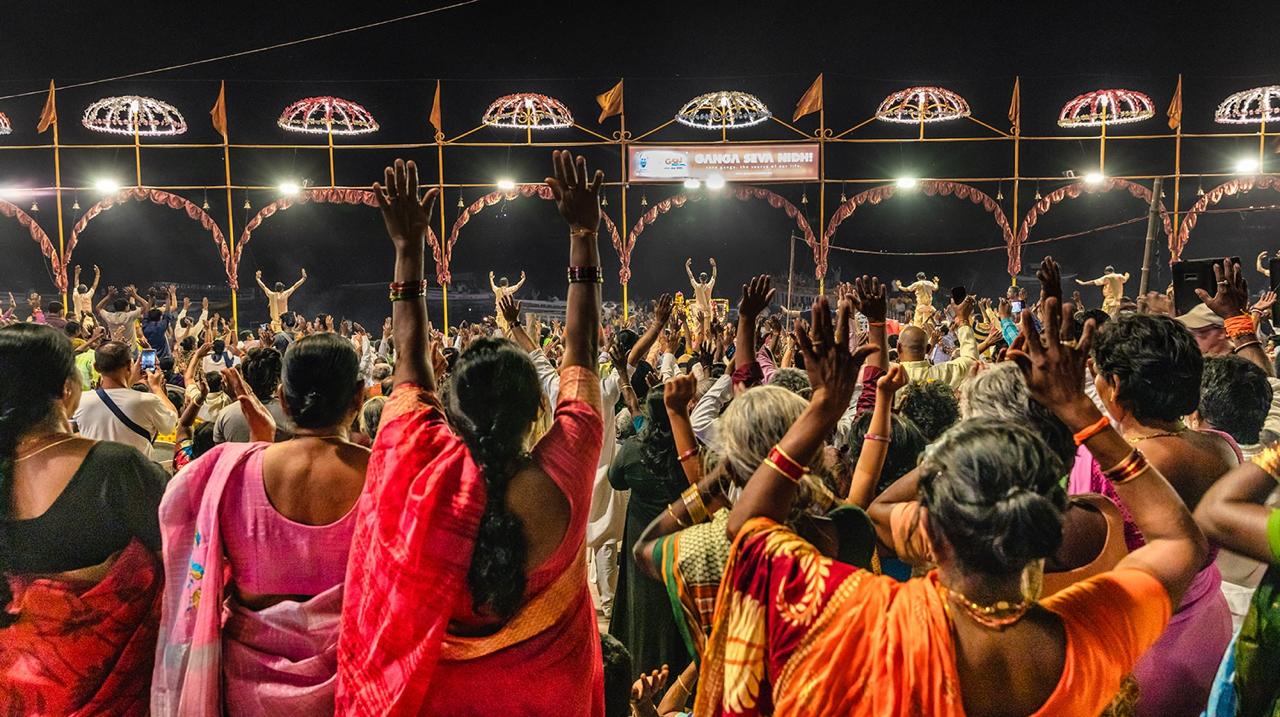
Every evening at Dashashwamedh Ghat, seven priests perform the Ganga Aarti - a 45-minute ceremony involving brass lamps, incense, fire, bells, and chanting. It is one of the most visually and spiritually powerful public rituals in India.
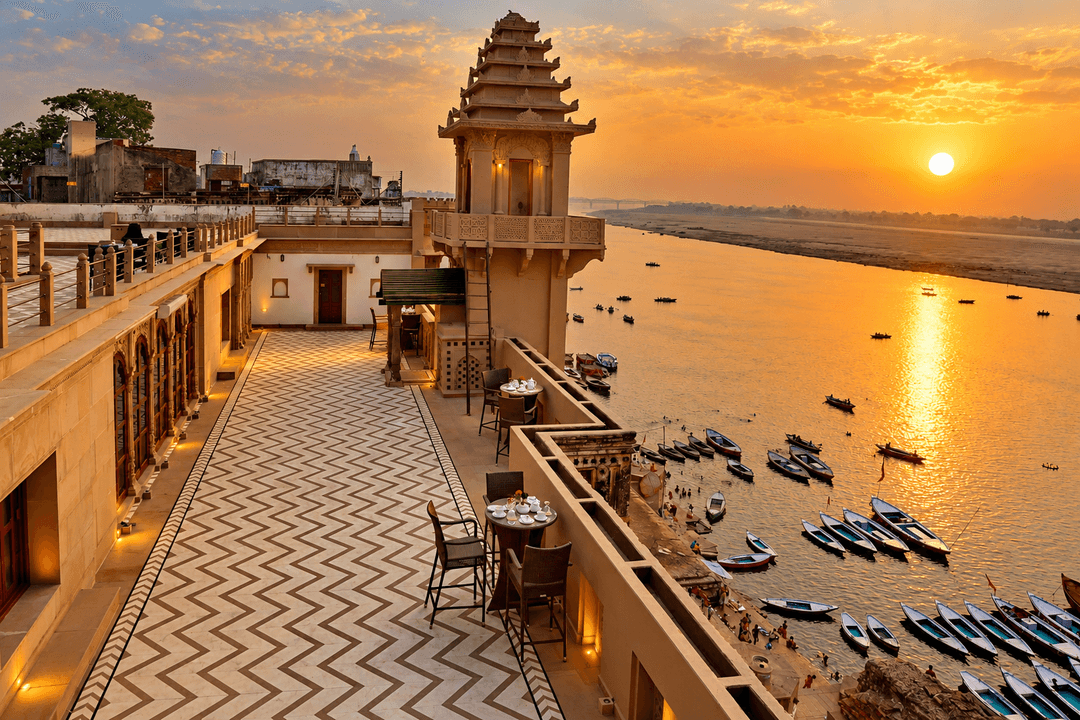
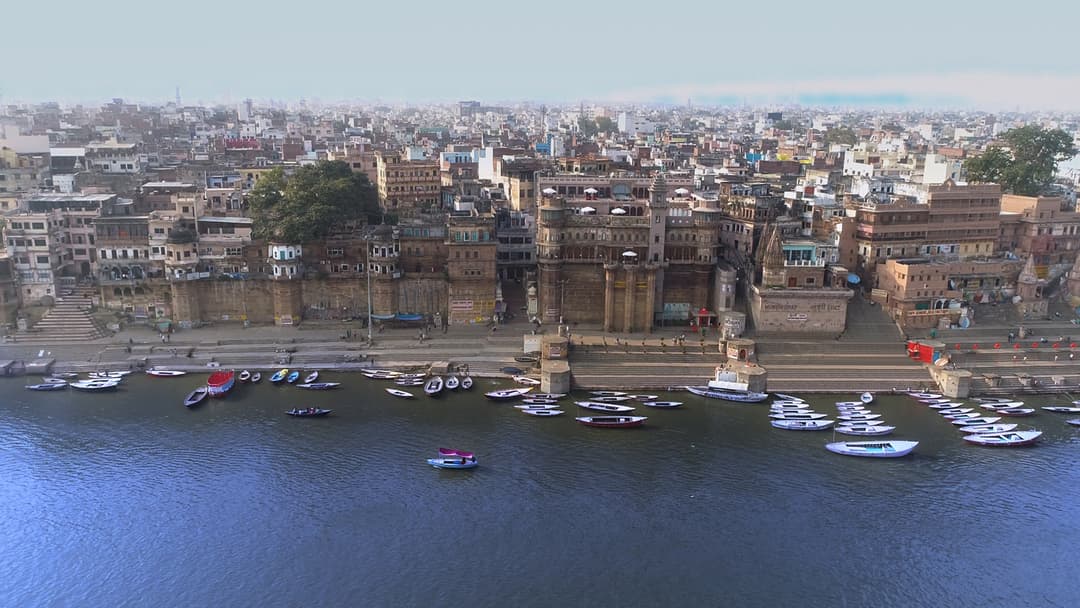
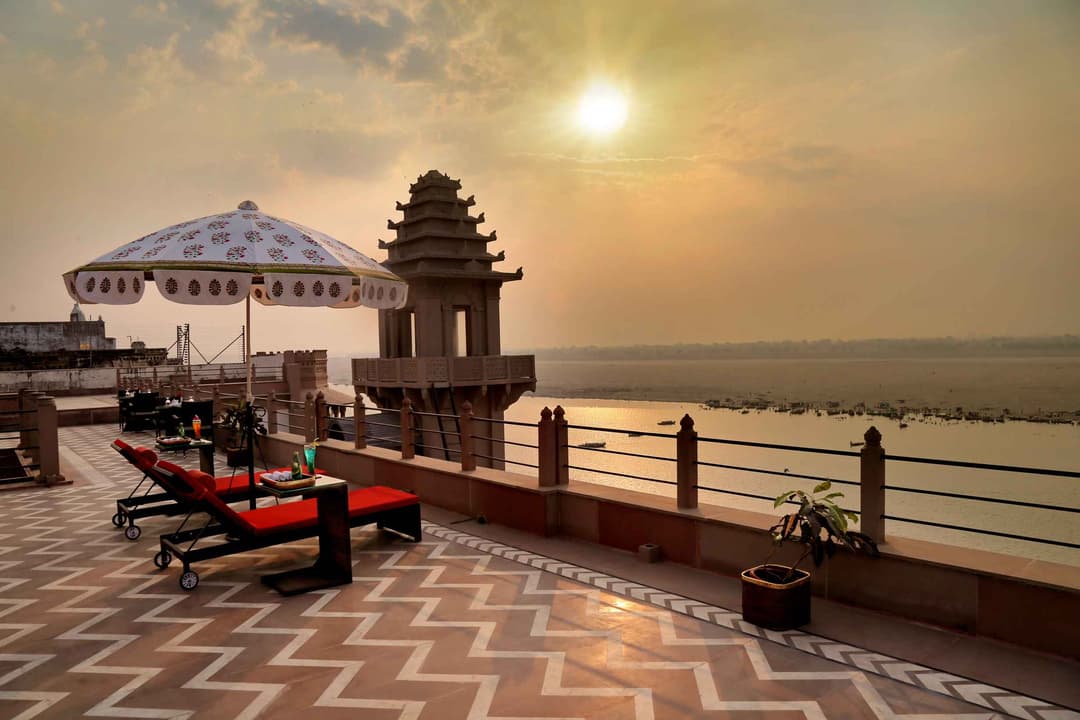
Watching it from the bank is extraordinary. Watching it from the private terrace of a 214-year-old fort palace, with the ceremony unfolding 100 metres below and the river carrying the light in both directions, is a different experience entirely - and one that only BrijRama Palace can offer.
" The Ganga Aarti is performed by seven priests at sunset every day of the year - a ritual in continuous practice at Dashashwamedh Ghat, visible from BrijRama Palace's private terraces 100 metres away. "
Two Ways to Experience the Ganga Aarti
From the ghat (ground level): Participatory and visceral. You are inside the ritual - hundreds of pilgrims around you, the lamps at close range. This is the experience of being in Varanasi.
From the BrijRama Palace terrace: Compositional and contemplative. The full geometry of the ceremony becomes visible - the seven priests in symmetry, the crowd's relationship to the river, the city extending beyond. This is the experience of understanding Varanasi.
BrijRama Palace enables both. The boat excursion gives the river-level perspective. The terrace gives the elevated view. Most guests who stay three nights experience both - and find them genuinely complementary.
The Dawn Experience
Dawn boat rides depart from the palace ghat at approximately 5:30–6am. The November to February window offers the most atmospheric experience: river mist, pilgrims in the water, the cremation ghats active from the previous night, and the first light striking the eastern bank at the angle that has defined Varanasi's visual identity for 200 years of photography.
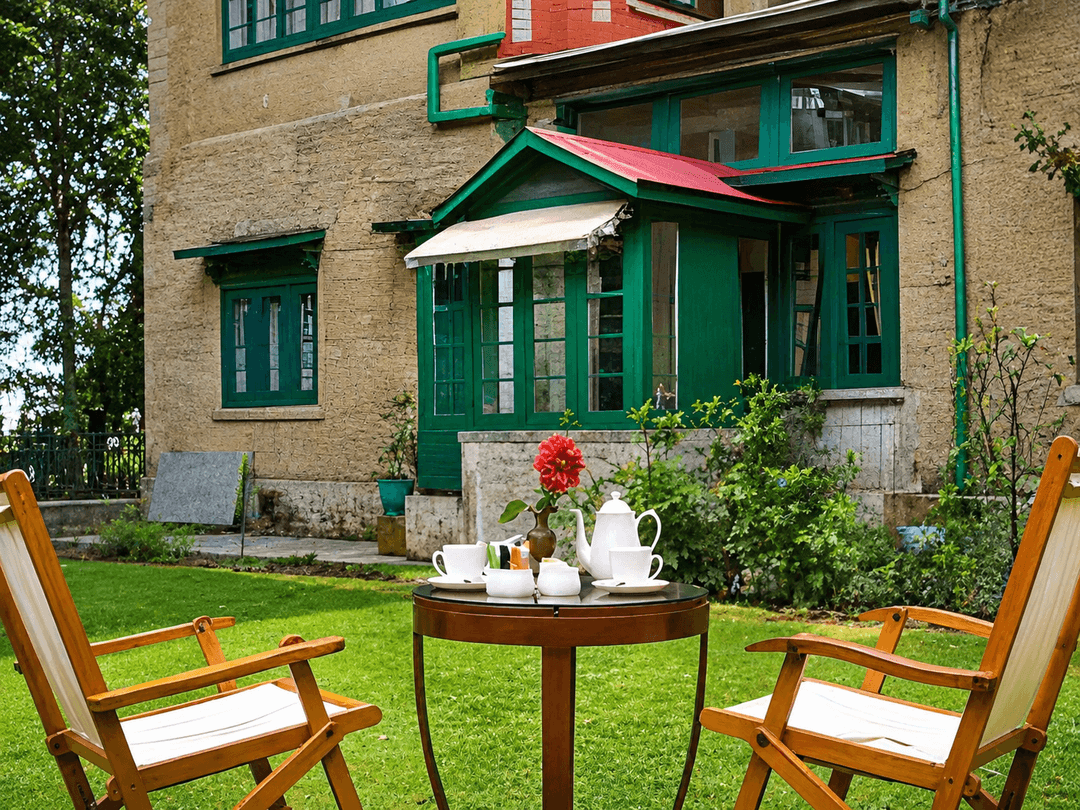
From BrijRama Palace, the dawn begins with tea on the private terrace while the city wakes below. The boat is ready when you are. This is the difference the right property makes: it removes the friction and leaves only the encounter.
" You cannot build on Varanasi's ghats under current development regulations. BrijRama Palace, built circa 1807, was there long before that. It is not approximating the ghat experience - it is part of it. "
Why This Address Cannot Be Replicated
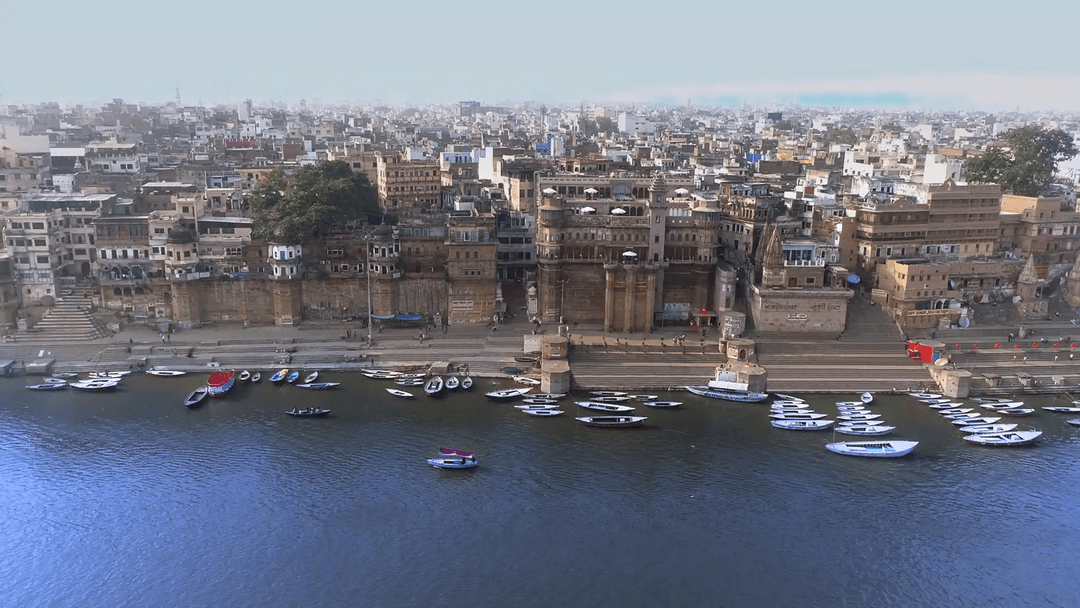
The ghats have carried continuous ritual for thousands of years. The buildings that stand on them were placed with specific intention. You cannot build on the ghats under current development regulations; the properties that were here before that restriction are the ones that remain. BrijRama Palace, built circa 1807, is one of them.
At 214 years old, it has witnessed every stage of modern Varanasi's history. It is not approximating the ghat experience. It is, literally, part of it.
Quick Facts
Property: BrijRama Palace, Varanasi - built c. 1807
Distance to Dashashwamedh Ghat: ~100 metres - Ganga Aarti visible from palace terraces
Ganga Aarti Timing: Daily at sunset - approximately 45 minutes
Dawn Boat Ride: Available from palace ghat - departs 5:30–6am
Best Season for Dawn Experience: November to February (river mist, optimal light)
Group Affiliation: Part of the IHCL family since January 2026
Frequently Asked Questions
What time is the Ganga Aarti in Varanasi?
The Ganga Aarti at Dashashwamedh Ghat in Varanasi is performed daily at sunset - the exact timing varies by season but is typically between 6:00pm and 7:00pm in winter and 7:00pm to 8:00pm in summer. The ceremony lasts approximately 45 minutes and is conducted by seven priests simultaneously.
Where is the best place to watch the Ganga Aarti in Varanasi?
The Ganga Aarti can be watched from the ghat steps, from a boat on the river, or from the terrace of BrijRama Palace - which is located approximately 100 metres from Dashashwamedh Ghat. The palace terrace offers an elevated, unobstructed view of the full ceremony without the crowd experience of the ghat level.
What is a dawn boat ride in Varanasi?
A dawn boat ride in Varanasi involves taking a wooden rowing boat along the Ganges ghats, typically departing between 5:30 and 6am. The experience includes the morning bathing rituals of pilgrims, the still-active cremation ghats, and the famous Varanasi dawn light on the river. It is considered the definitive Varanasi experience and best experienced from November to February.
How many ghats are there in Varanasi?
Varanasi has 88 ghats along the Ganges riverfront, stretching approximately 6.5km. The most significant include Dashashwamedh Ghat (Ganga Aarti), Manikarnika Ghat (the primary cremation ghat, considered one of the holiest in Hinduism), Assi Ghat, and Harishchandra Ghat.
Is Varanasi safe for tourists?
Yes. Varanasi is one of India's most visited destinations and is well-equipped for tourists. The ghat areas are busy but navigable. BrijRama Palace guests have the advantage of palace guides who know the city and can ensure safe, meaningful access to all the major sites.
→ Book your stay at Brij Hotels - Part of the IHCL Family · brijhotels.com