South Goa's Heritage Villages: Why Staying in an Indo-Portuguese Villa Changes Everything
20-07-2026

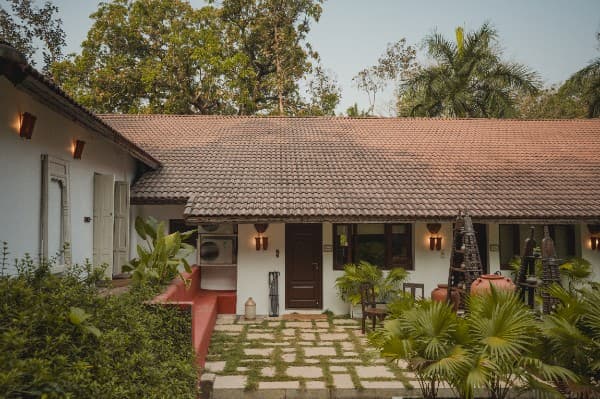
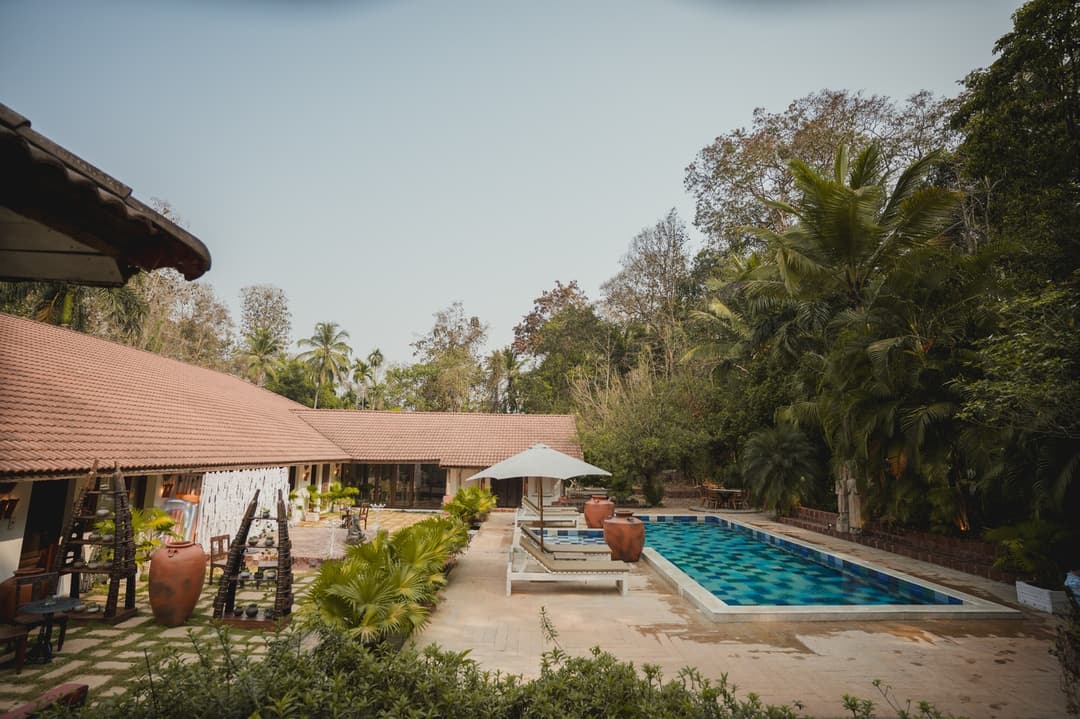
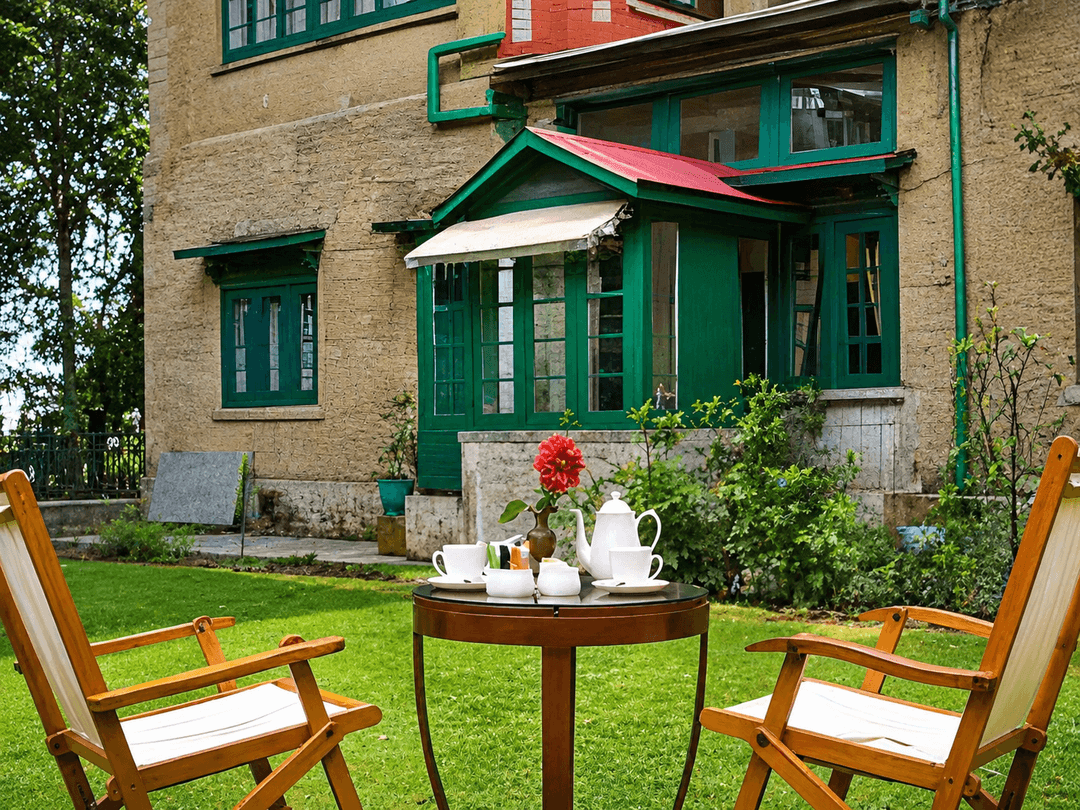
South Goa's inland villages preserve something that Goa's coastline has traded for tourism infrastructure: the Indo-Portuguese architectural heritage that defines Goa's visual identity. In Loutulim - one of South Goa's most historically significant villages - Brij Casa Susegad occupies a restored heritage villa that embodies this tradition at its finest.
'Susegad' is the Konkani word for contentment. The property earns the name.
" Oyster-shell windows - panes of translucent Placuna placenta shells - diffuse rather than transmit light: a feature of Indo-Portuguese heritage villas in Goa found nowhere else in Indian architecture. "
The Architecture: What Makes Indo-Portuguese Heritage Distinctive
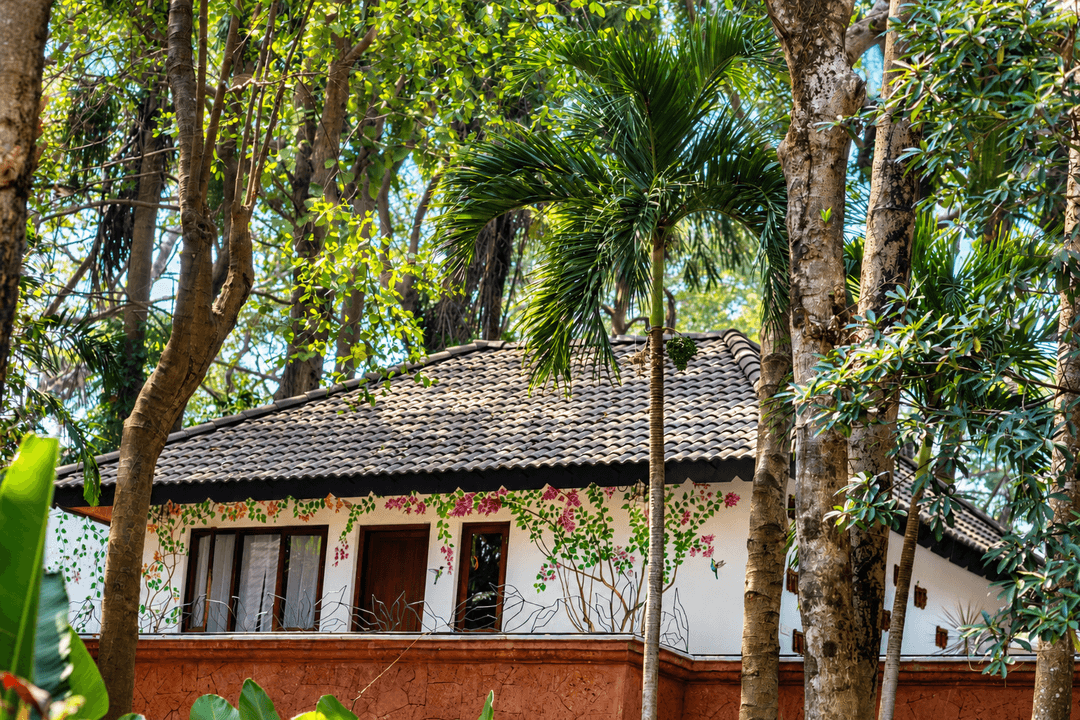
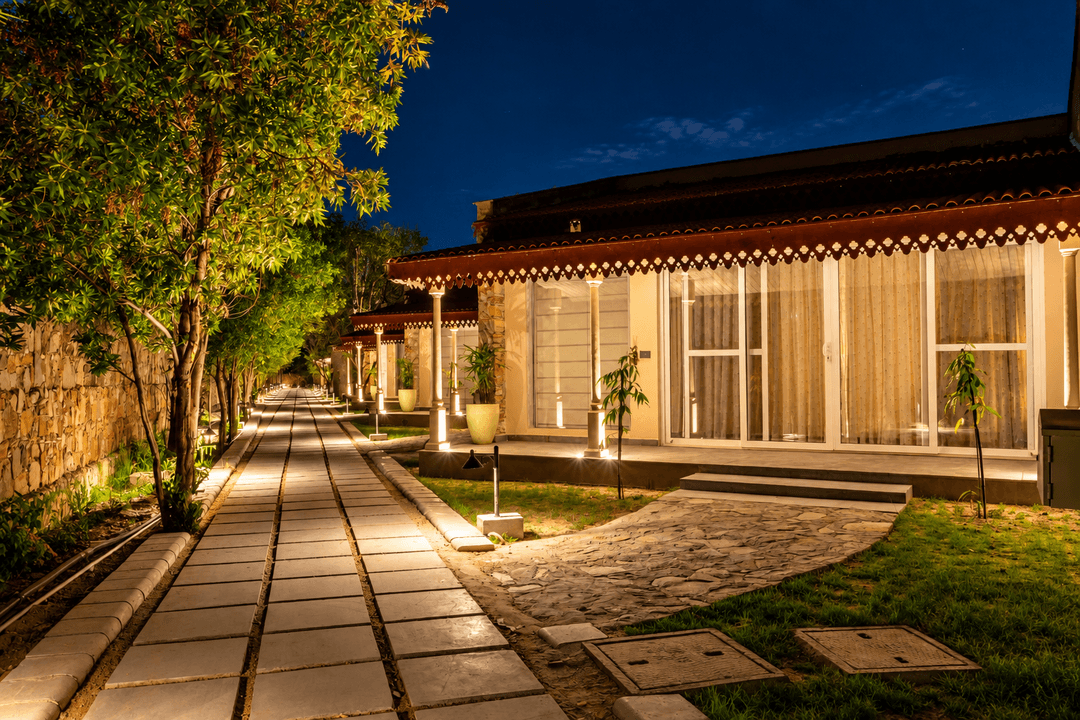
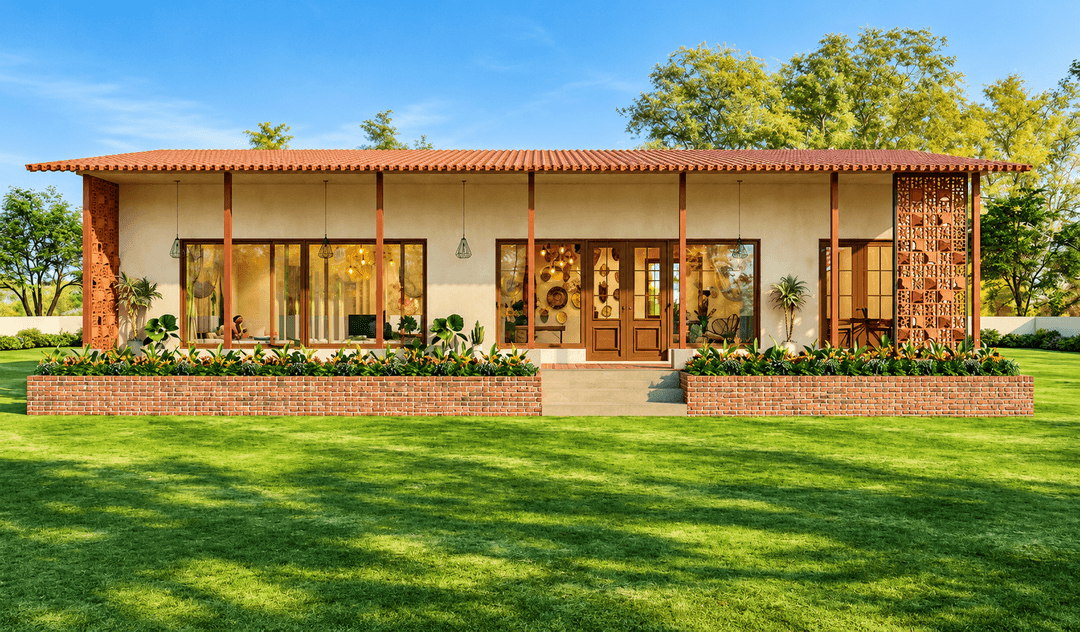
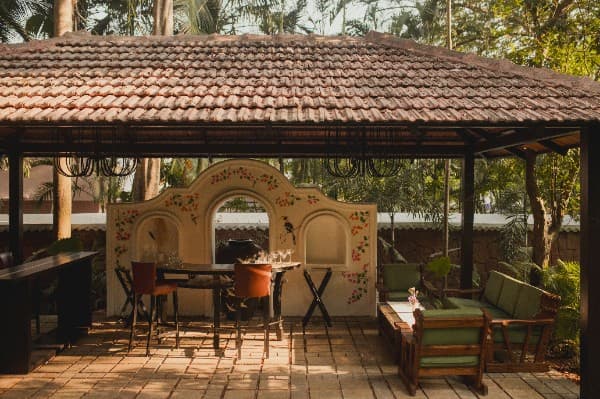
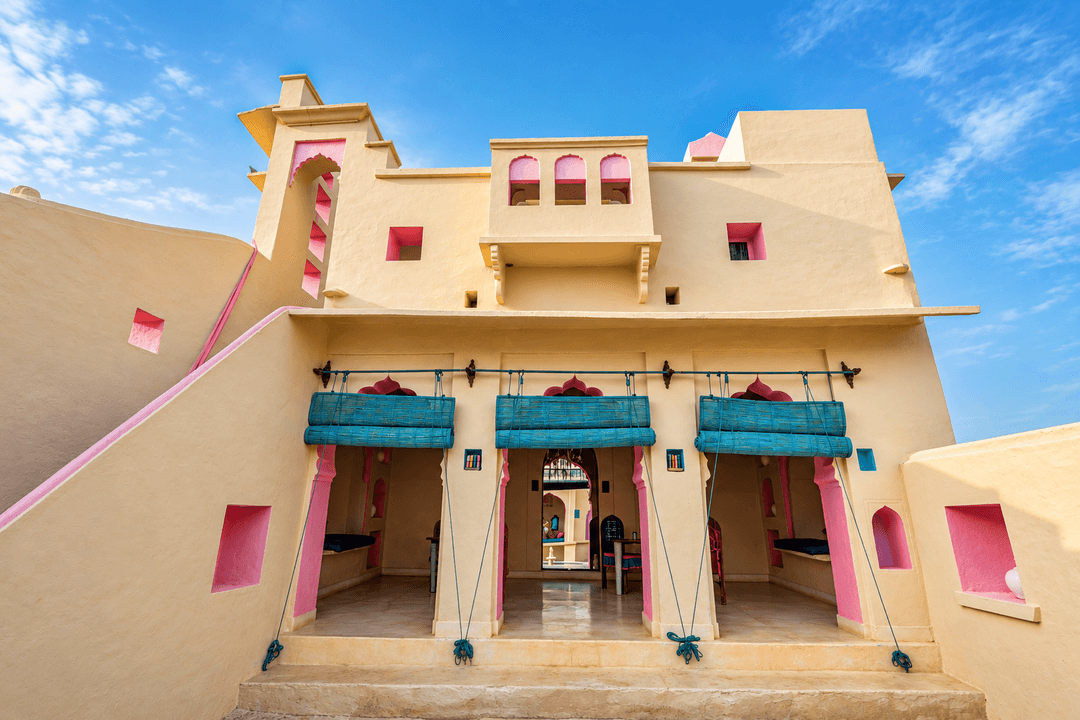
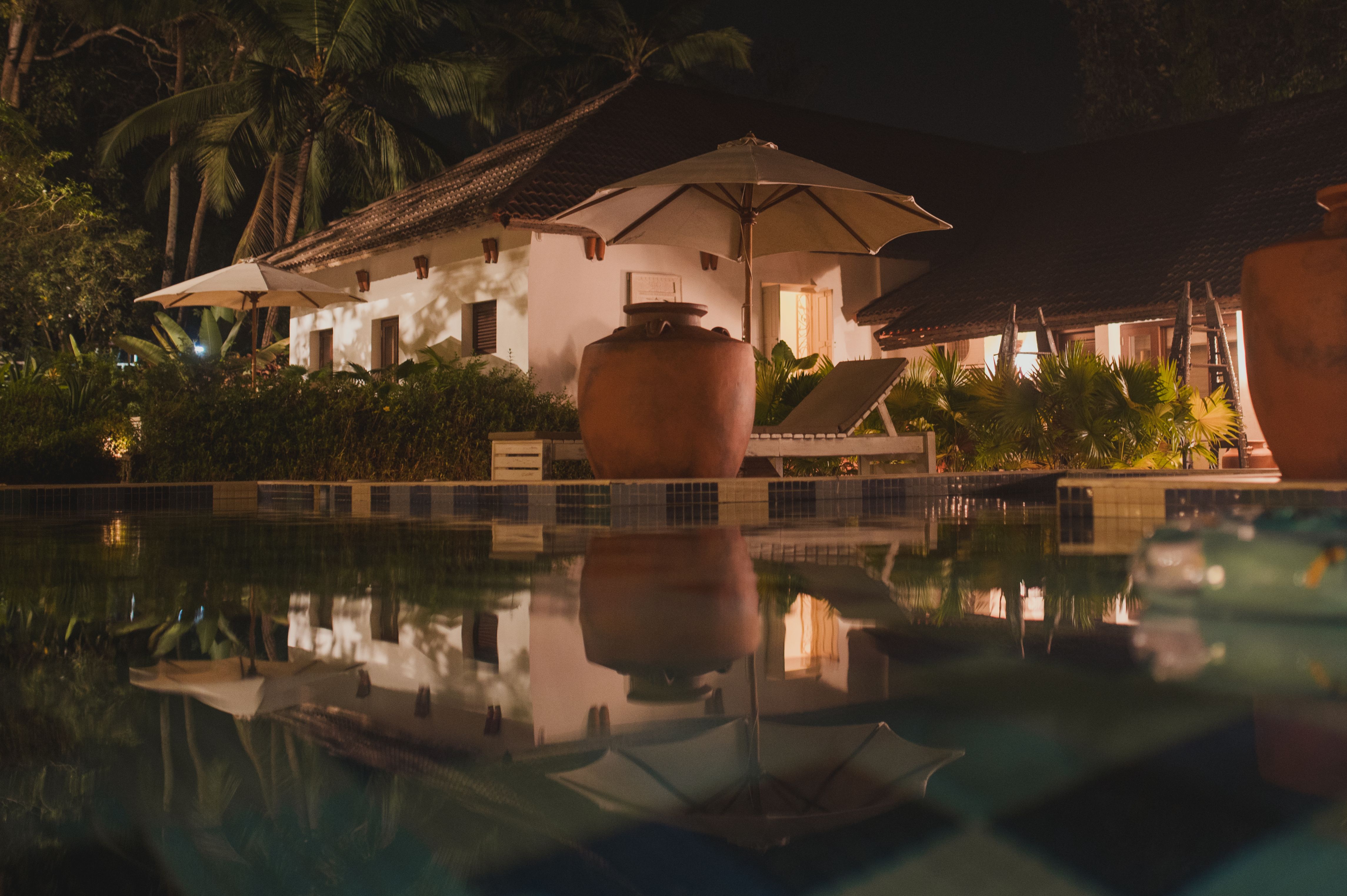
Indo-Portuguese architecture developed in Goa between the 16th and early 20th centuries - a synthesis of Portuguese colonial construction techniques and Indian building traditions. Its distinctive features include: oyster-shell windows (panes of translucent Placuna placenta shells that diffuse rather than transmit light), balcao covered verandahs for social gathering, terracotta-tiled roofs with deep overhangs designed for the tropical monsoon, and laterite stone walls that regulate interior temperature naturally.
Loutulim contains one of the highest concentrations of intact Indo-Portuguese heritage homes in Goa. The village was home to several prominent Goan Catholic families of the colonial era, and the ancestral homes they built represent the tradition at its most accomplished.
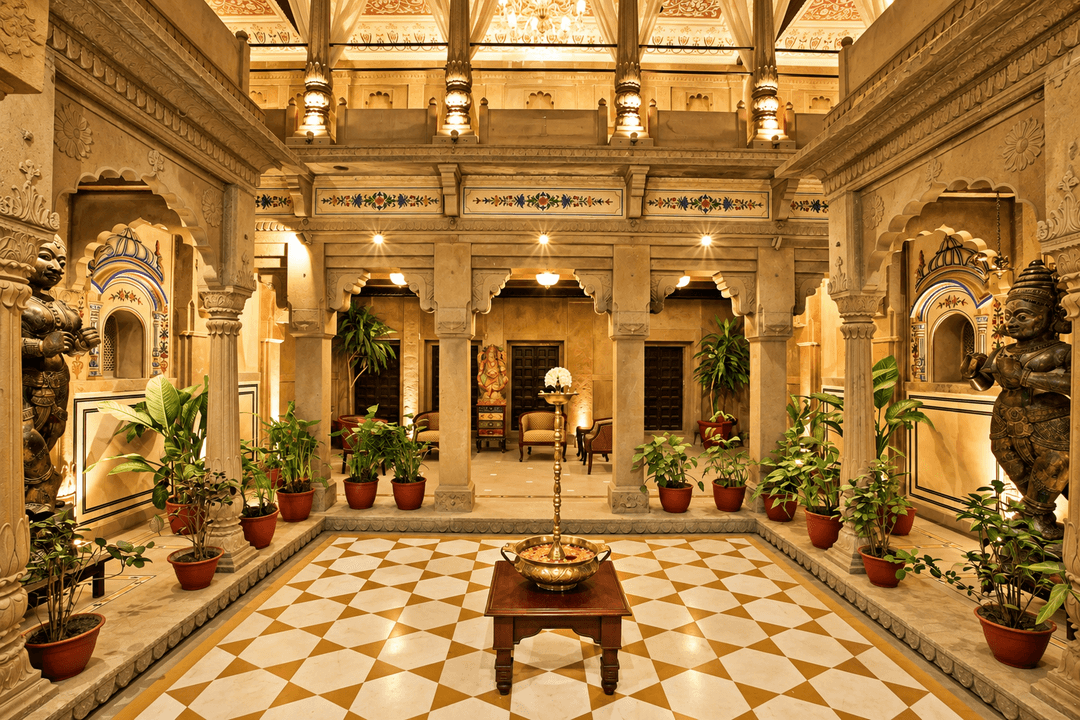
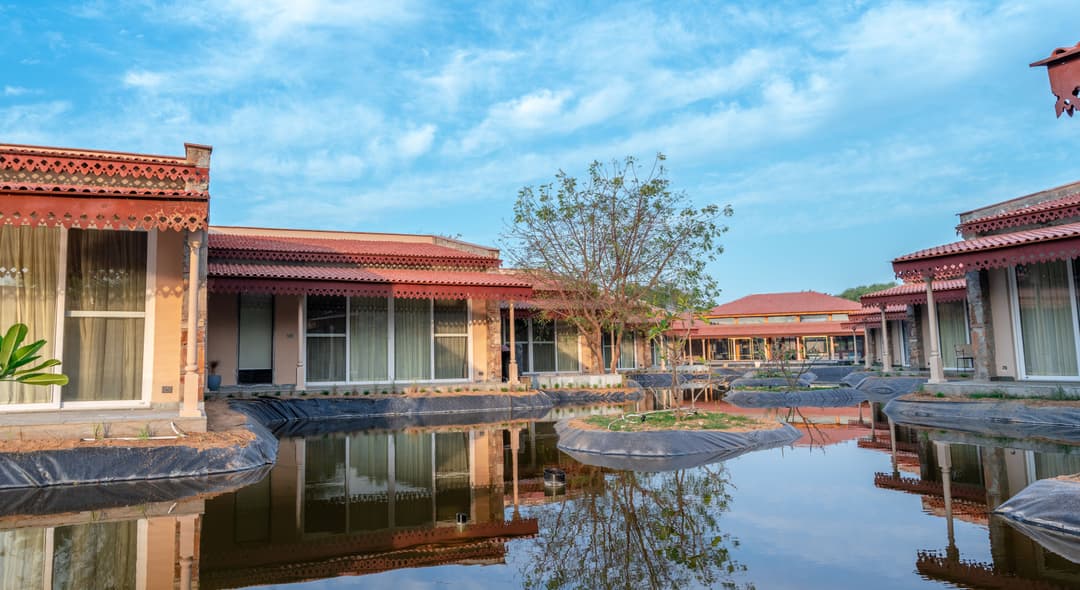
Brij Casa Susegad has been restored with attention to how the architecture functions - not merely how it looks. The cross-ventilation works. The shade is correctly proportioned. The garden and the building are in genuine conversation.
What to Do: The South Goa That Rewards the Curious
Loutulim village walk: 90 minutes covering 300 years of social and architectural history. Several of South Goa's most significant ancestral homes are within walking distance.
Rivona cave temples: Ancient Buddhist monastery carved into laterite rock - one of Goa's oldest pre-Portuguese sites, 20 minutes from the property.
Old Goa churches: The Basilica of Bom Jesus (1605) and Se Cathedral (1619) - both UNESCO World Heritage Sites - are 45 minutes north. The Basilica contains the relics of St. Francis Xavier.
Goa Chitra Museum, Benaulim: 30 minutes south. One of India's finest ethnographic collections - 4,000 artefacts documenting Goa's agricultural and craft heritage, assembled by artist Victor Hugo Gomes.
Benaulim, Varca, and Colva beaches: 15–20 minutes from the property.
" The Basilica of Bom Jesus in Old Goa, 45 minutes from Brij Casa Susegad, was completed in 1605 and is a UNESCO World Heritage Site - it contains the relics of St. Francis Xavier. "
Practical Information
Distance from Dabolim Airport (South Goa): approximately 35 minutes. Distance from Mopa Airport (North Goa): approximately 40 minutes.
Best season: November to February for peak-season Goa. October for post-monsoon freshness and lower occupancy. March to May for warm, quiet South Goa.
The beach is 15–20 minutes away and accessible whenever wanted. The property itself is the reason to stay - not merely a base to leave.
Quick Facts
Property: Brij Casa Susegad - Indo-Portuguese heritage villa, Loutulim, South Goa
Location: Loutulim village, 20 min from Margao, 15 min from Benaulim beach
Distance from Goa Airport: ~35 minutes from Dabolim / 40 minutes from Mopa (North Goa Airport)
Architectural Style: Restored Indo-Portuguese - laterite walls, azulejo tiles, balcao verandah
Best Season: November to February (peak); October (post-monsoon sweet spot)
Group Affiliation: Part of the IHCL family since January 2026
Frequently Asked Questions
What is an Indo-Portuguese heritage villa in Goa?
An Indo-Portuguese heritage villa is a residential property built in Goa between the 16th and early 20th centuries, characterised by a synthesis of Portuguese colonial and Indian architectural traditions. Distinctive features include oyster-shell windows, balcao verandahs, terracotta-tiled roofs, and laterite stone walls. Loutulim in South Goa has one of the highest concentrations of intact examples.
What is the best heritage villa in South Goa?
Brij Casa Susegad in Loutulim is the most highly regarded boutique heritage villa stay in South Goa - a restored Indo-Portuguese property 20 minutes from Margao and 15 minutes from Benaulim beach. Part of the IHCL family since January 2026.
What does 'Susegad' mean in Goa?
Susegad is a Konkani word derived from the Portuguese 'sossegado', meaning calm, peaceful, or untroubled. It describes a specifically Goan attitude toward leisure - the enjoyment of stillness, the pleasure of a garden in the afternoon, an unhurried relationship with time. It is considered a defining characteristic of Goan cultural identity.
How far is Loutulim from Margao?
Loutulim is approximately 12km from Margao - about 20 minutes by road. Margao is South Goa's main commercial centre and railway station hub. From Dabolim Airport (Goa's main international airport), Loutulim is approximately 35 minutes.
What are the UNESCO World Heritage Sites in Goa?
The Churches and Convents of Goa - a collection of monuments in Old Goa - are a UNESCO World Heritage Site (inscribed 1986). The most significant include the Basilica of Bom Jesus (1605, containing the relics of St. Francis Xavier) and the Se Cathedral (1619, the largest church in Asia at the time of its construction). Both are approximately 45 minutes from Brij Casa Susegad.
→ Book your stay at Brij Hotels - Part of the IHCL Family · brijhotels.com