Your Complete Guide to the Jawai Leopard Safari Experience
20-08-2026
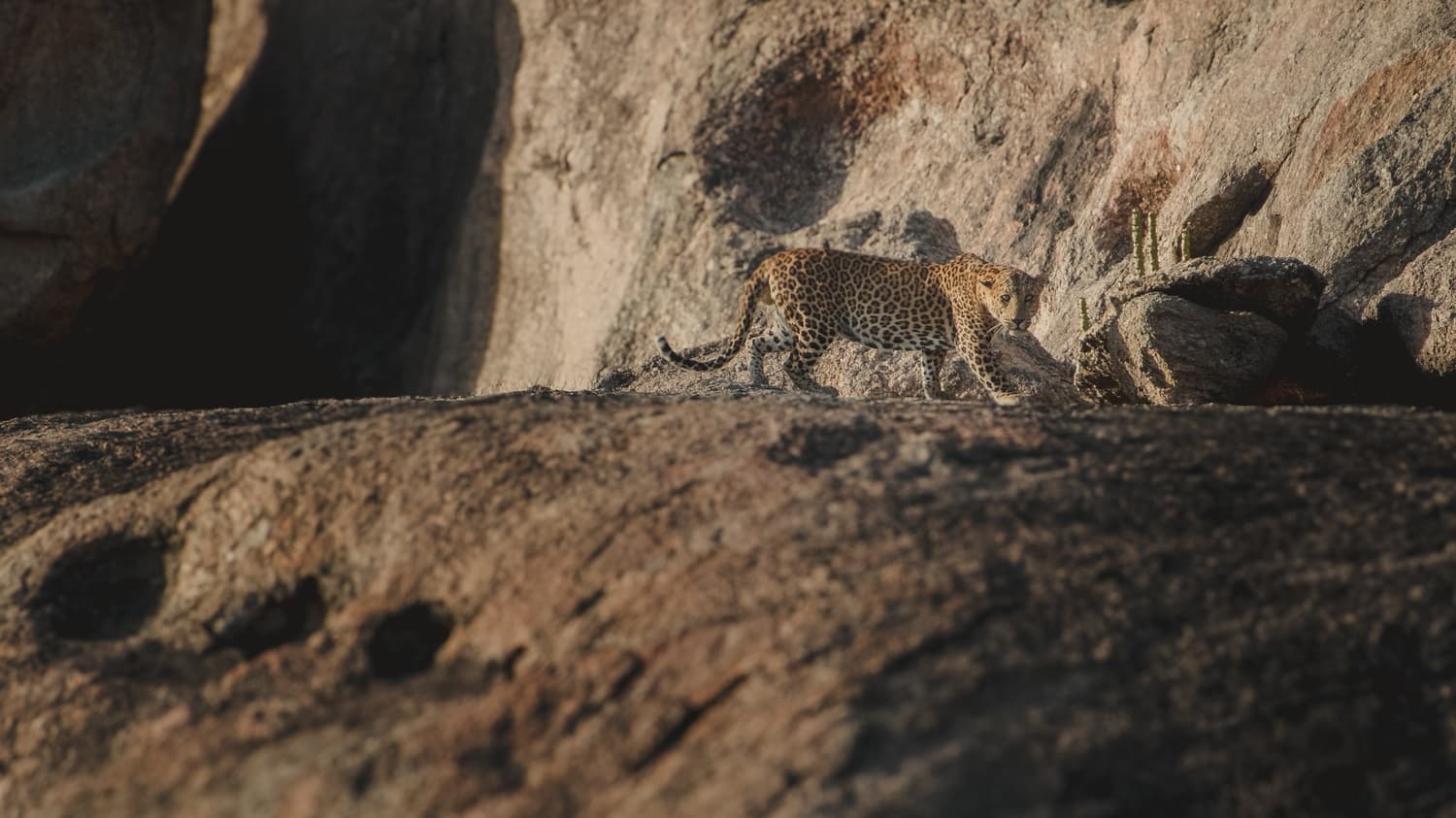
Table of Contents
- 1. Why the Jawai Leopard Safari Experience Is Unlike Any Other
- 2. The Leopard Question: What Makes Jawai Different
- 3. What the Safari Actually Involves
- 4. The Wildlife Beyond the Leopard
- 5. The Rabari Communities: The Human Story Underneath the Safari
- 6. When to Go and What to Expect
- 7. Brij Pola, Jawai
Why the Jawai Leopard Safari Experience Is Unlike Any Other
Most Indian wildlife safaris involve a queue. Not a metaphorical one, an actual, physical queue of jeeps at a forest gate, waiting for a permit number to be called, then following a designated circuit alongside fifteen other vehicles hoping for a glimpse of the same tiger.
Jawai doesn't work that way.
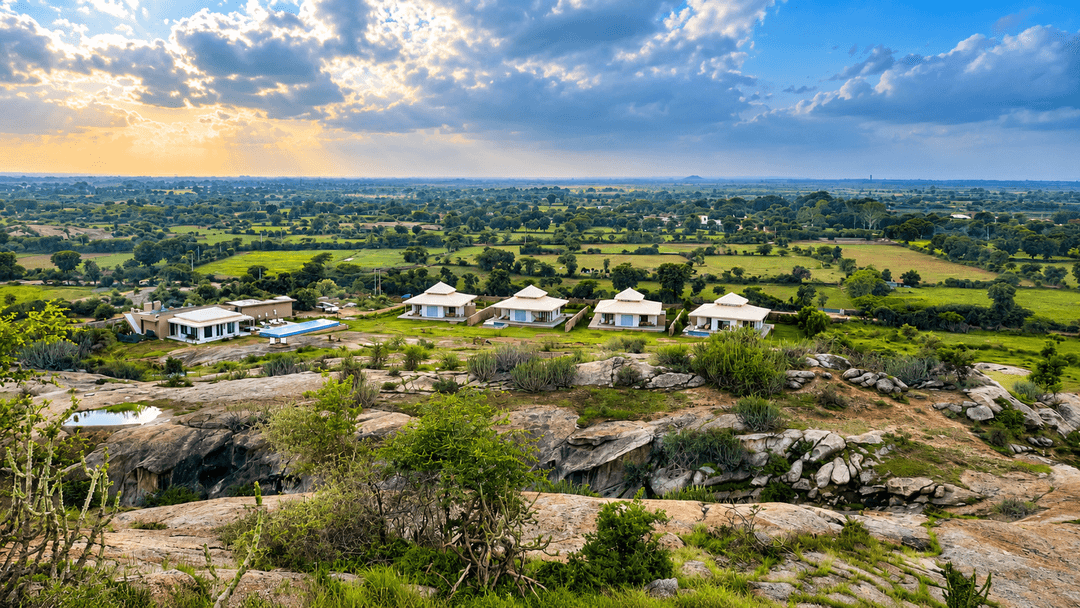
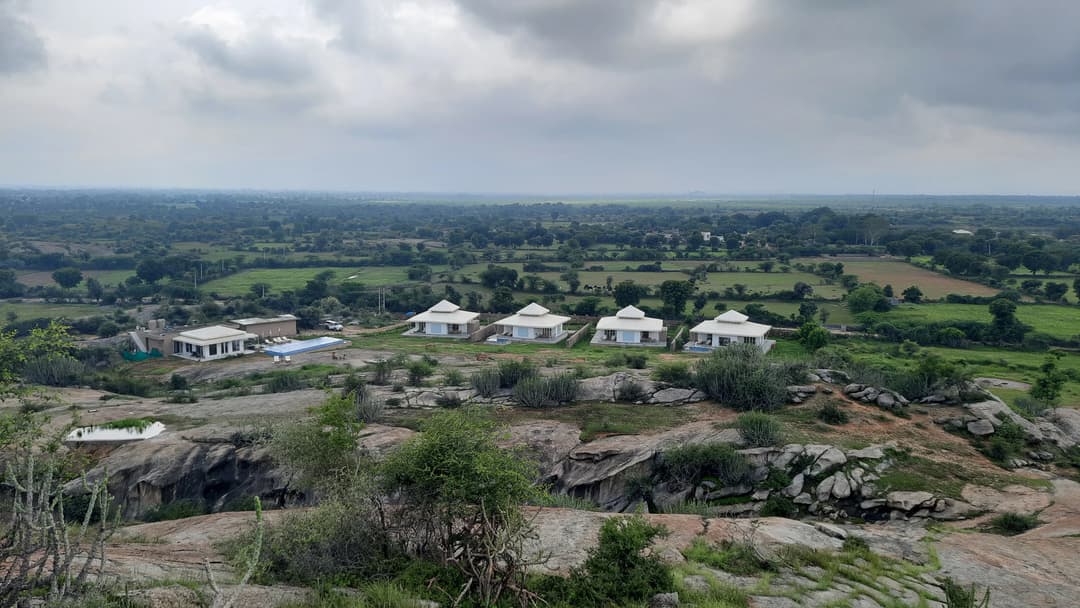
The granite hills of the Jawai region in Pali district, Rajasthan, have no national park designation, no fixed safari circuits, no permit queues. The leopards live in the boulders above the villages. The Rabari herders have been living alongside them for generations. The jeep goes where the naturalist knows the animals to be, and the naturalist knows because they've been watching these specific leopards on these specific rocks for years.
The Jawai Leopard Safari experience is the India wildlife trip that serious safari travellers describe differently from every other one they've taken. Not because the leopards are more spectacular than tigers. Because the encounter is more honest.
The Leopard Question: What Makes Jawai Different
The Jawai leopards are extraordinary for a reason that has nothing to do with their spots or their speed. It's their indifference.
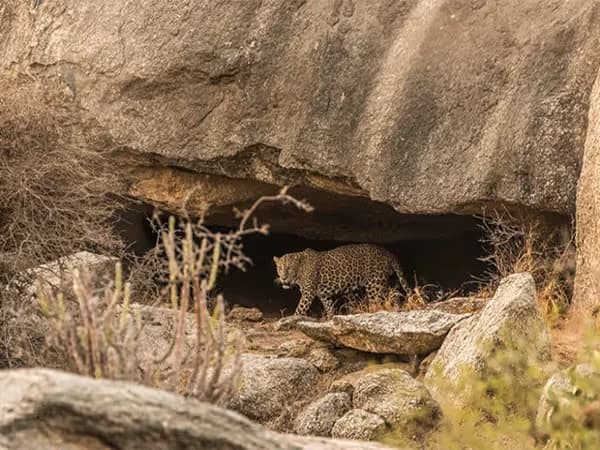
These animals have lived alongside human settlements for generations. The Rabari communities who herd cattle through the same landscape have not hunted them. The temples on the granite hills are shared, leopards using the caves beneath, priests conducting rituals above. The result is a leopard population that has no learned fear of humans, which produces a safari experience unlike anything else in India.
You find a leopard on a boulder. The jeep stops 30 metres away. The leopard looks at the jeep, registers it as irrelevant, and goes back to whatever it was doing. That moment, the leopard in full view, completely untroubled, sitting on ancient granite with the Aravalli landscape behind it, is the image that Jawai safari photographers specifically travel for.
What the Safari Actually Involves
The Jawai Leopard Safari runs twice daily, early morning and late afternoon. Both windows matter. The morning drive catches the leopards before the heat sends them into the deeper cave systems. The afternoon drive catches the golden hour on the granite, when the light does what Rajasthan's light does in the last 90 minutes before sunset and the cats become more active as the temperature drops.
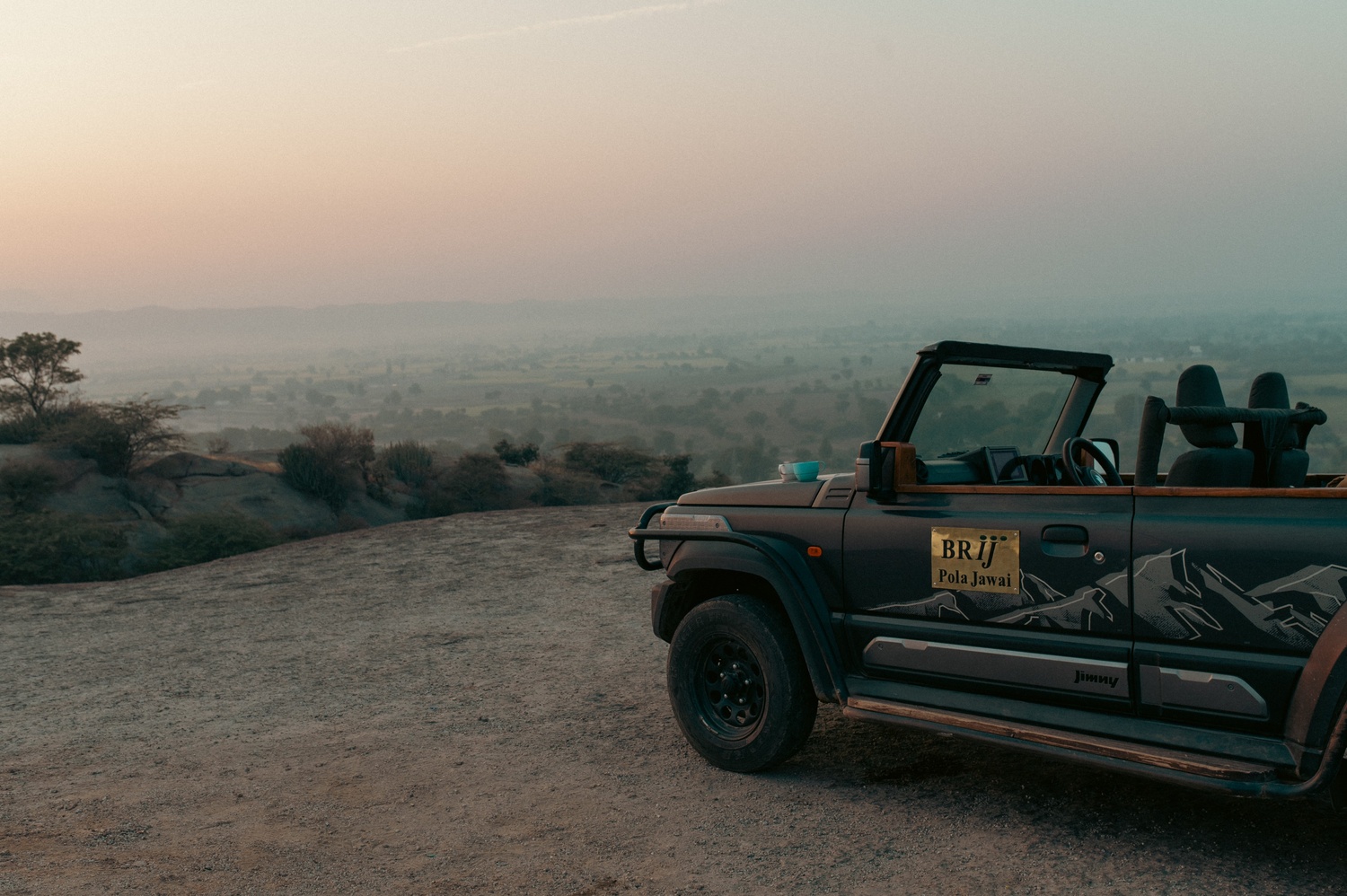
The safari vehicle is an open jeep. No roof, which matters for photography and for the quality of the experience, you're in the landscape rather than observing it through glass. The naturalist leads from the front, reading tracks, reading behaviour, navigating to the locations where the individual animals he knows tend to be at specific times of day.
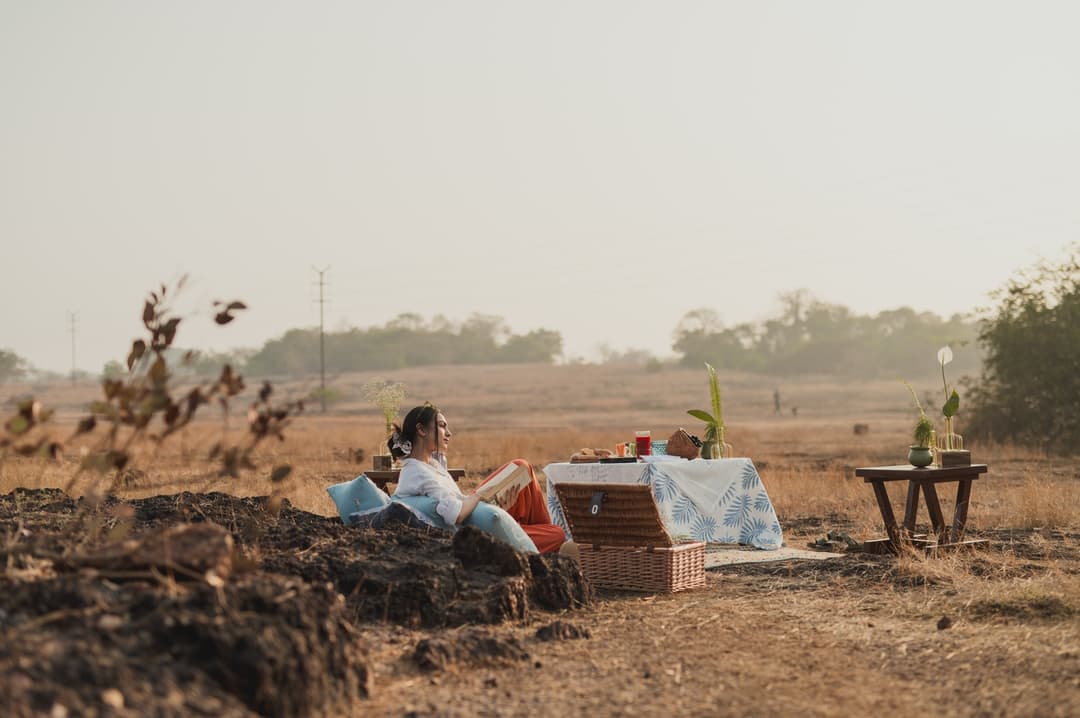
The Safari Lodge Rajasthan that sits within the safari territory rather than 20 kilometres from it changes the experience significantly. The safari starts at the property gate. The morning drive finishes with the car bonnet breakfast, food served on the vehicle's bonnet at a scenic point in the landscape, the Aravalli hills around you, the morning's sightings still fresh.
The Wildlife Beyond the Leopard
Jawai's wildlife reputation rests on the leopards. The actual biodiversity is considerably wider.
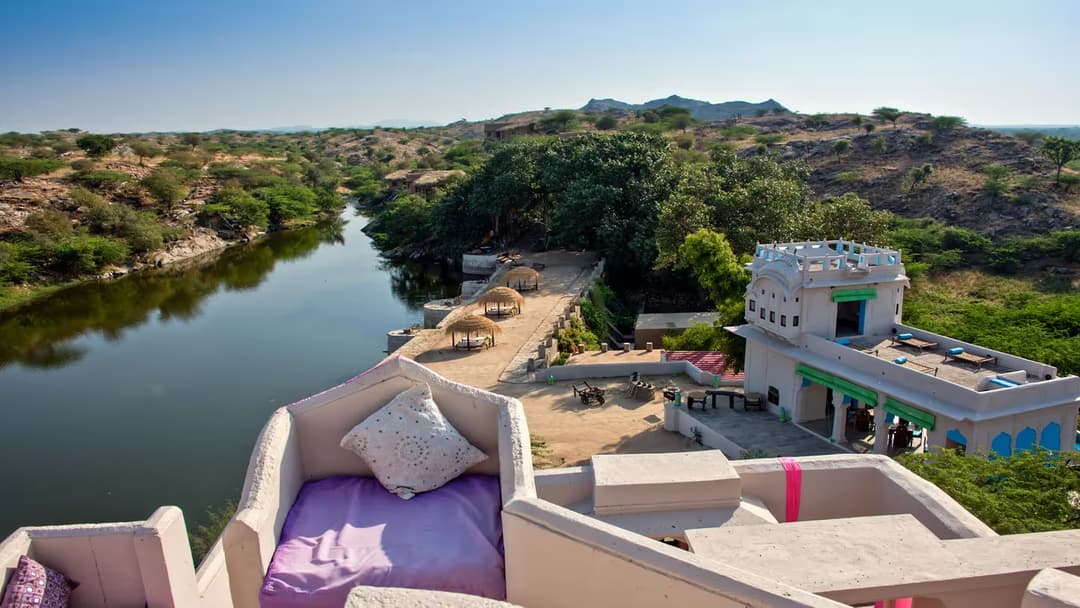
Striped hyenas in the scrub and granite. Sloth bears on the hillsides, heavier, slower, and in some ways more unusual to encounter than the leopards because their presence in this landscape is less expected. Wolves in the open areas. Marsh crocodiles at the Jawai Bandh reservoir. Over 100 species of migratory birds at the water body, flamingos, pelicans, raptors, the specific waterbird assemblage that a large Rajasthan reservoir in winter produces.
The Jawai Wildlife Experience extends past the jeep safari. Guided birdwatching at the Bandh in the early morning, binoculars, a naturalist who knows the species, the reservoir in the first light, is the activity that wildlife photographers who have already done multiple safari mornings consistently choose for the afternoon. It's different. It's quieter. And the bird diversity here rivals dedicated birding destinations.
Hiking through the granite hills covers the terrain that the jeep can't access, caves used by leopards, ancient rock formations, panoramic views from the higher boulders, and the chance of encountering wildlife on foot with a guide who knows the signs.
The Rabari Communities: The Human Story Underneath the Safari
The Jawai Leopard Safari experience that most visitors miss: the Rabari.
The Rabari are nomadic shepherds: Their distinctive red turbans and silver jewellery visible throughout the Jawai landscape, their relationship with the land and the wildlife around them one of the most unusual examples of human-wildlife coexistence in India. The leopards occasionally take livestock. The Rabari do not retaliate. The balance has held for generations.
Brij Pola's experience programme includes a full day with the Rabari tribe, their history, their crafts, their extraordinary embroidery, their livestock management, and their first-hand accounts of living alongside the leopards that the luxury resort in Jawai guests observe from safari vehicles. The stories of leopard encounters that have passed into Rabari folklore are the dimension of the Jawai experience that no safari drive delivers on its own.
The village tour, chai at the local tea stall, the barber working under a tree, elders in conversation, the potter at the wheel, adds the human geography of Jawai to the wildlife one. The Jawai Wildlife Experience that includes both is the complete version.
When to Go and What to Expect
October to March. Winter is the confirmed window for leopard sightings, the naturalists at Brij Pola are specific about this because the question matters. The cats are more active in cool weather, more visible on the open granite, and the morning and evening temperatures make the open jeep experience comfortable rather than something to endure.
April through June is hot but the leopards are still present, they retreat to the deeper cave systems during the afternoon heat, which means morning drives remain productive and afternoon drives require patience. July through September, the monsoon makes the roads and the terrain more challenging.
The migratory bird window at the Jawai Bandh runs October through February, which aligns well with the leopard season. Plan the trip for this overlap and the Jawai Wildlife Experience covers both categories in the same visit.
Brij Pola, Jawai
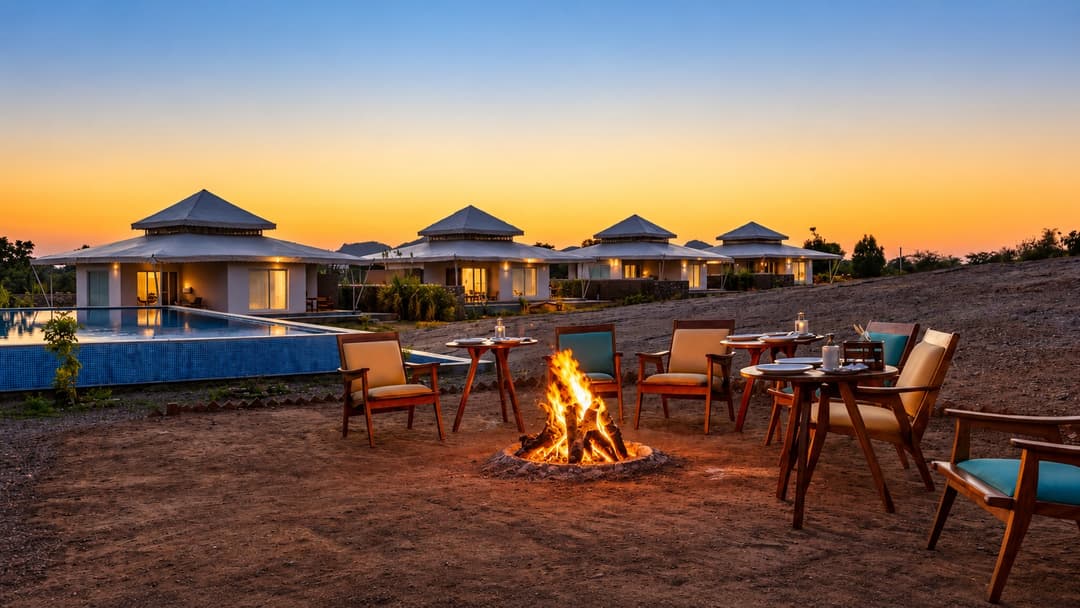
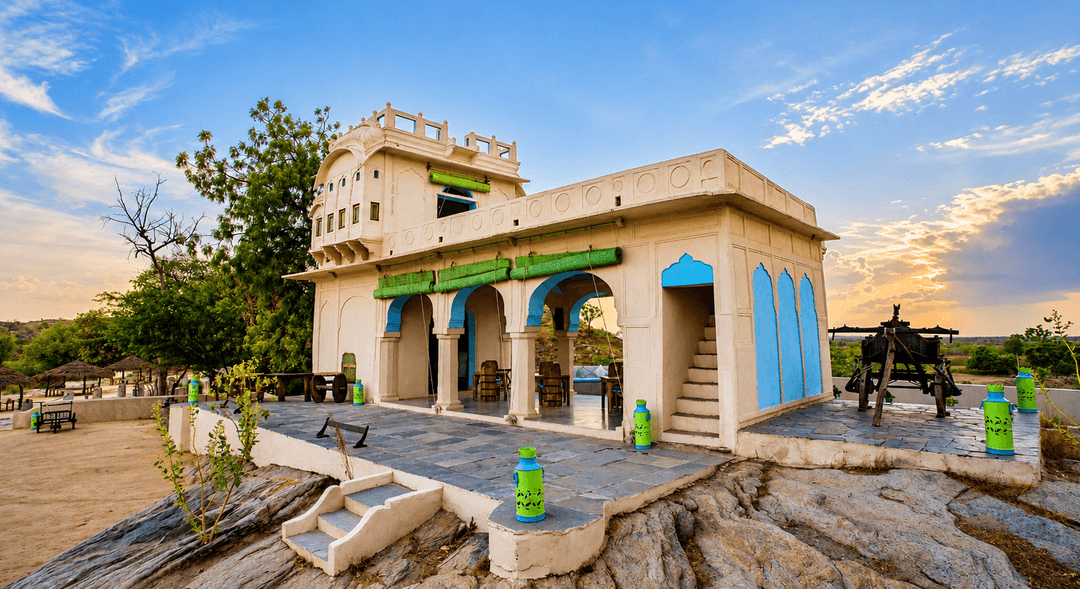
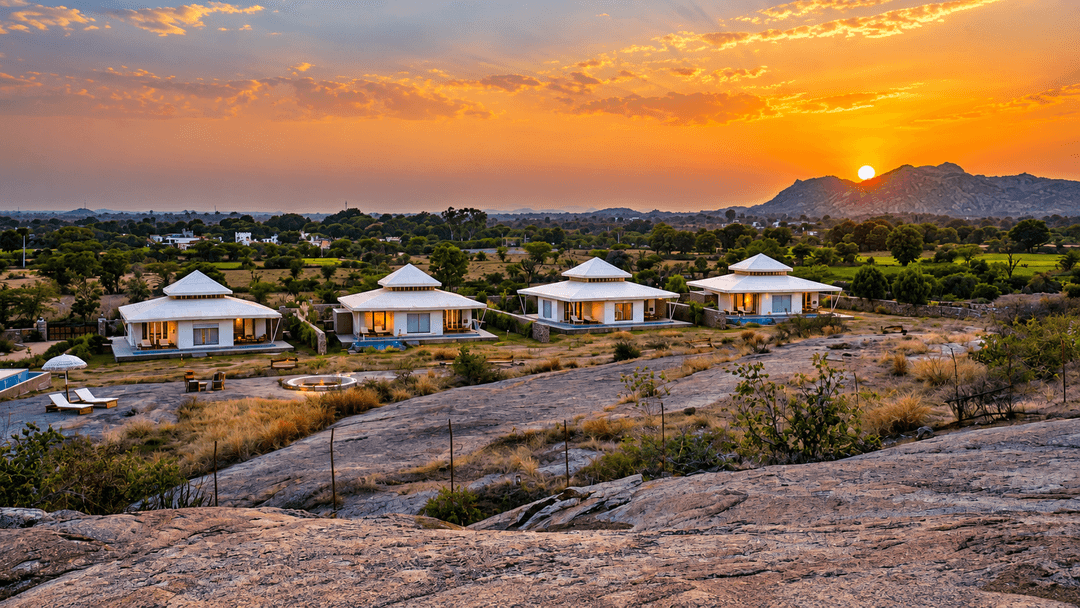
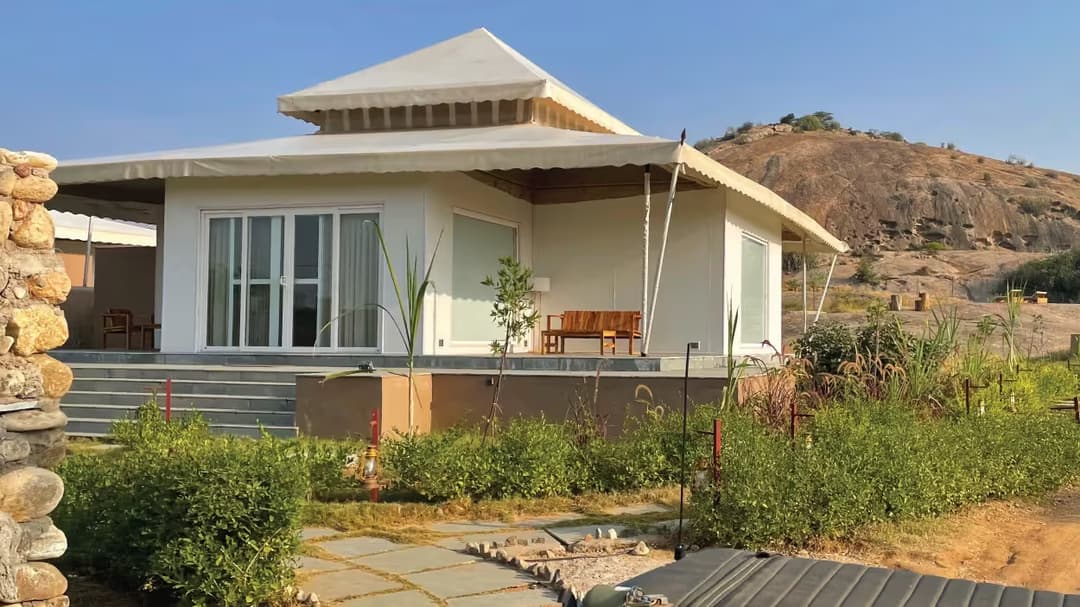
Four tents. 2,500 square feet each. At the foot of a granite hill where leopards have lived for generations, the safari starts where the property ends, which is to say it starts immediately.
Two tent categories: Luxury Tent at 2,500 sq ft, stone-carved bathtub with mountain views, open-sky shower, outdoor sitting, the Aravalli landscape from every angle. Luxury Tent with Plunge Pool, the same 2,500 sq ft with a temperature-controlled private plunge pool, floating breakfast arrangement, live BBQ from the tent sit-out. Animal-themed linen handcrafted by Help in Suffering, a local animal welfare NGO. Private butlers.
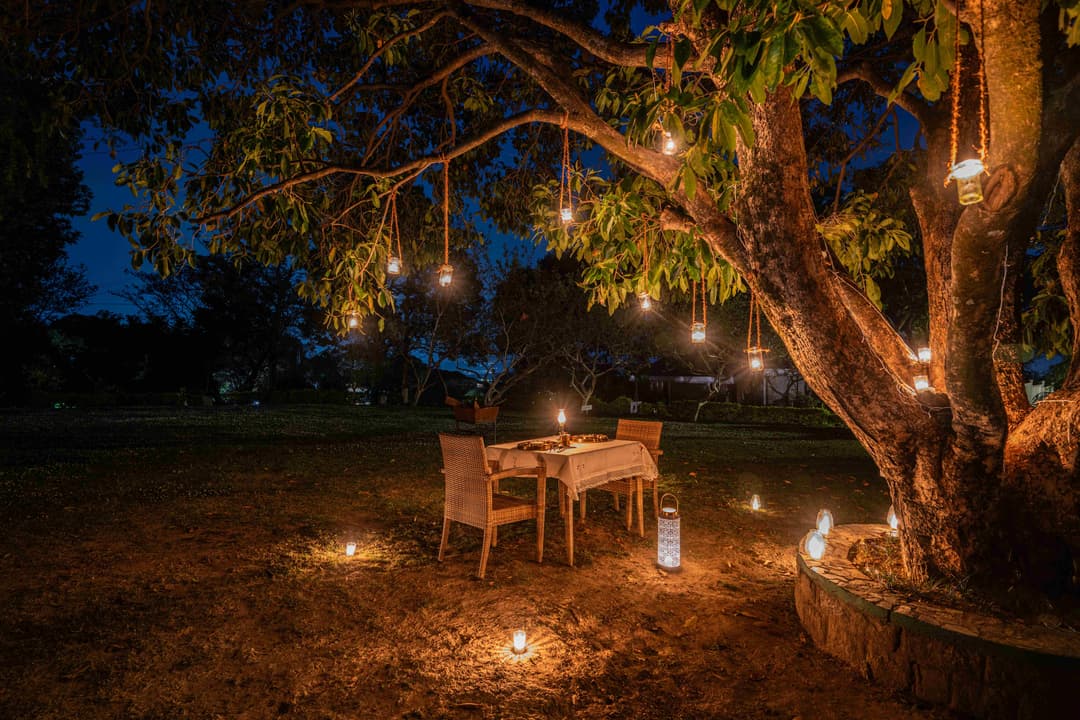
The experience list: guided safari (starts from the property gate), guided birdwatching, hiking through the granite hills, Rabari tribe day, village tour, breakfast with locals on a farm, car bonnet breakfast in the landscape, lunch in the fields, picnic lunch, BBQ dinner, dinner under the stars, chef's culinary experience with Rajasthani recipes, cycling, guided nature walk, temple tour to Kambeshwar Mahadev and Devgiri Mataji.
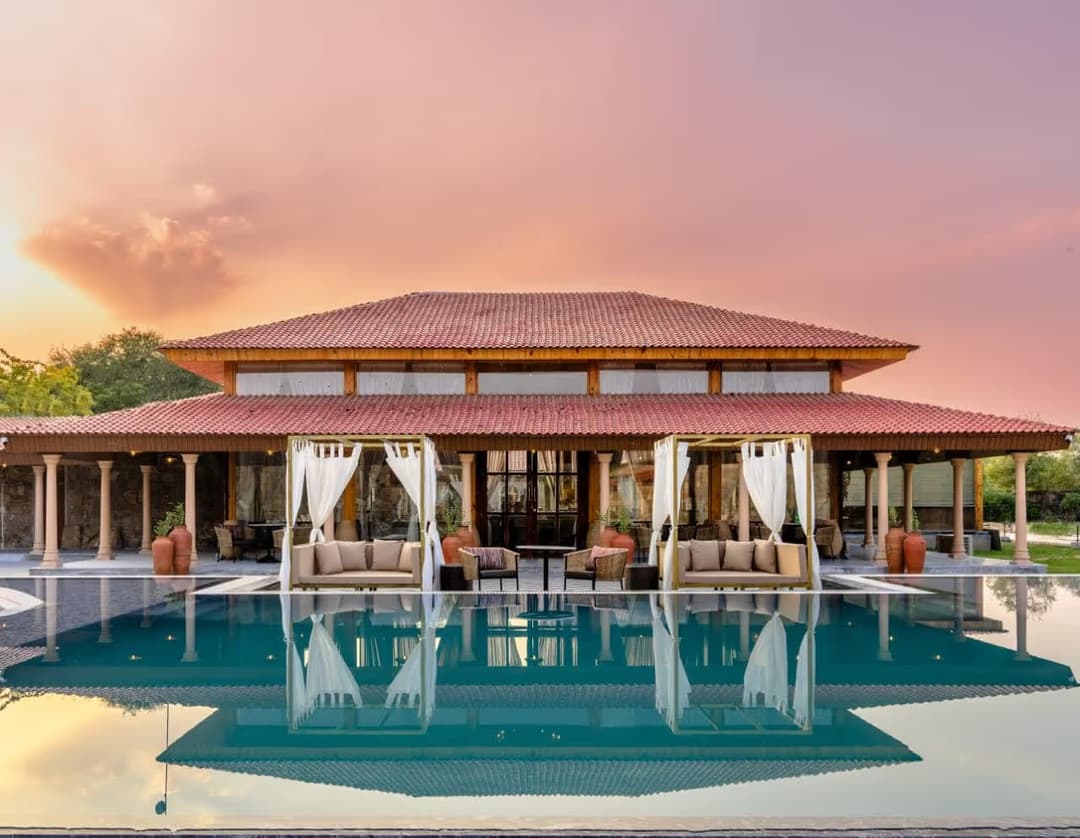
The luxury resort in Jawai that puts you inside the landscape rather than beside it. Four tents, one granite hill, leopards who have lived here for generations, and naturalists who know them by name.