10 Reasons to Stay on the Ghats of Varanasi for an Authentic Experience
31-07-2026
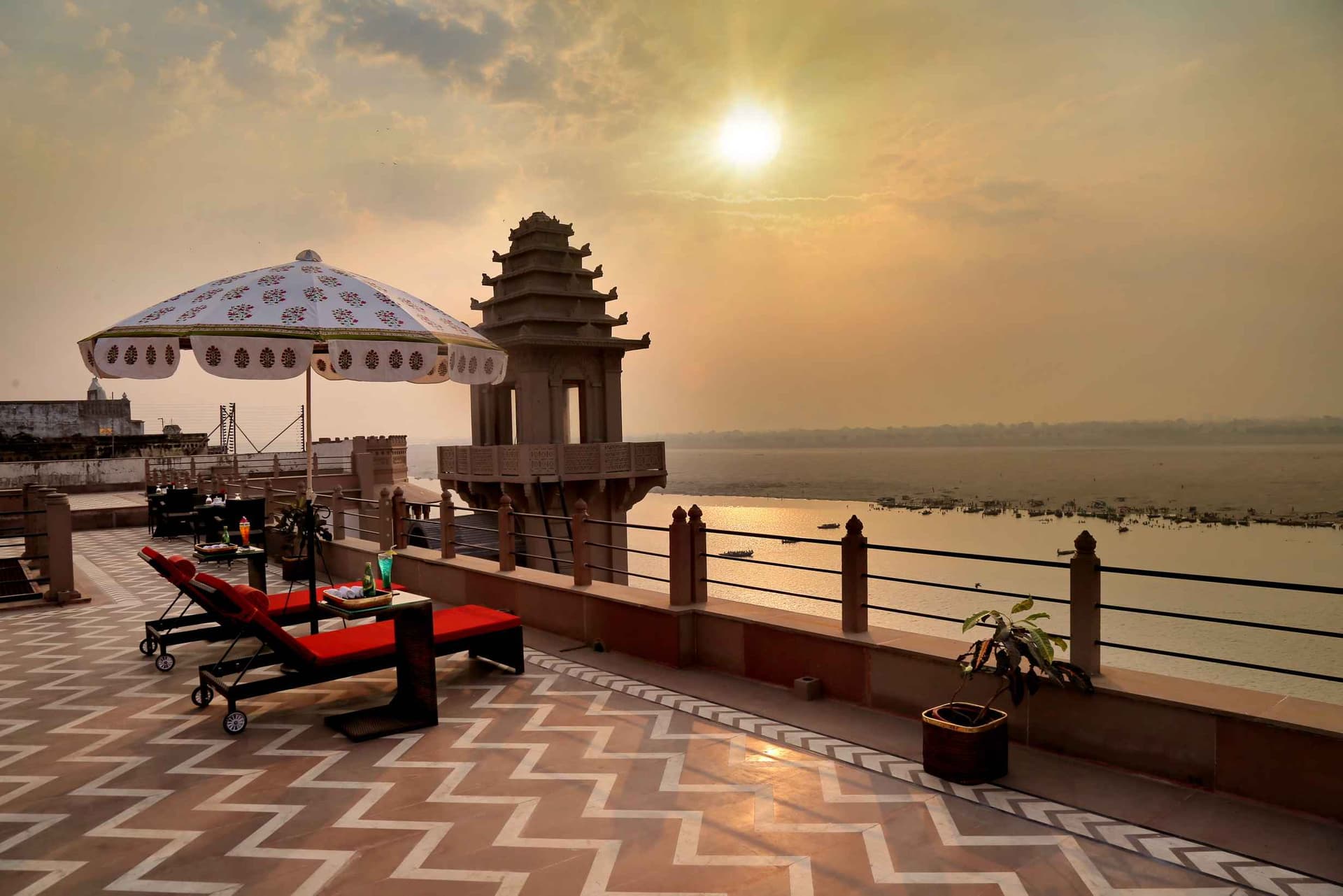
Table of Contents
- The Hotel Room That Comes With a River
- Reason 1: The Ganga Aarti From Your Doorstep
- Reason 2: The Dawn Boat Ride Nobody Plans for but Everyone Remembers
- Reason 3: The City Wakes Up Differently When You're On the Ghats
- Reason 4: Kashi Vishwanath Temple Without the Commute
- Reason 5: The Food Tastes Different Here
- Reason 6: The Cremation Grounds
- Reason 7: Classical Music at the Right Hour
- Reason 8: The Boat as Transport
- Reason 9: The Architecture
- Reason 10: The Hotel near Kashi Vishwanath Temple Morning
- BrijRama Palace, Varanasi
The Hotel Room That Comes With a River
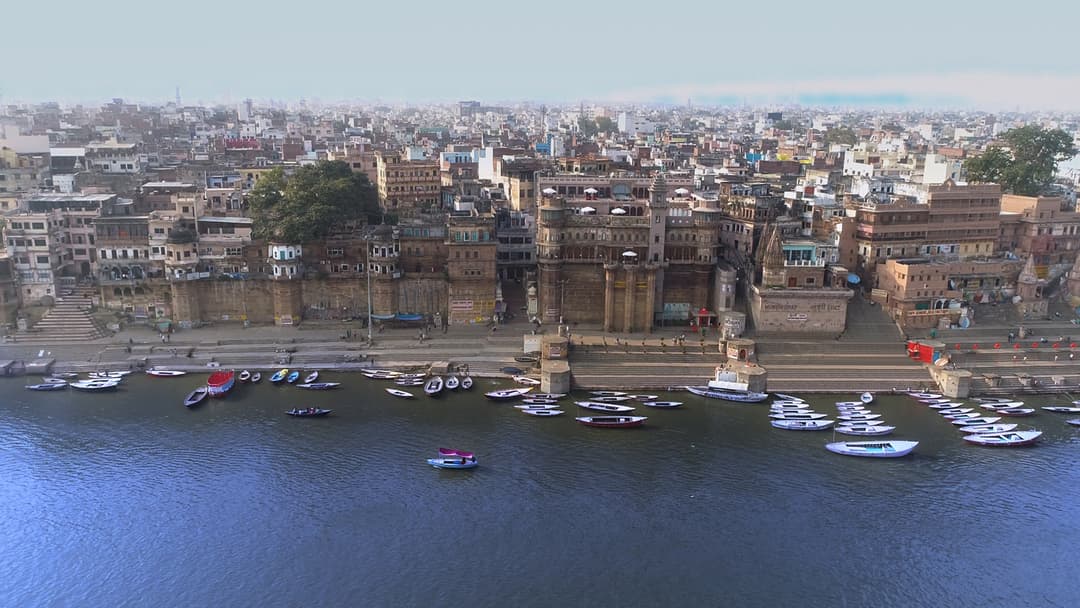
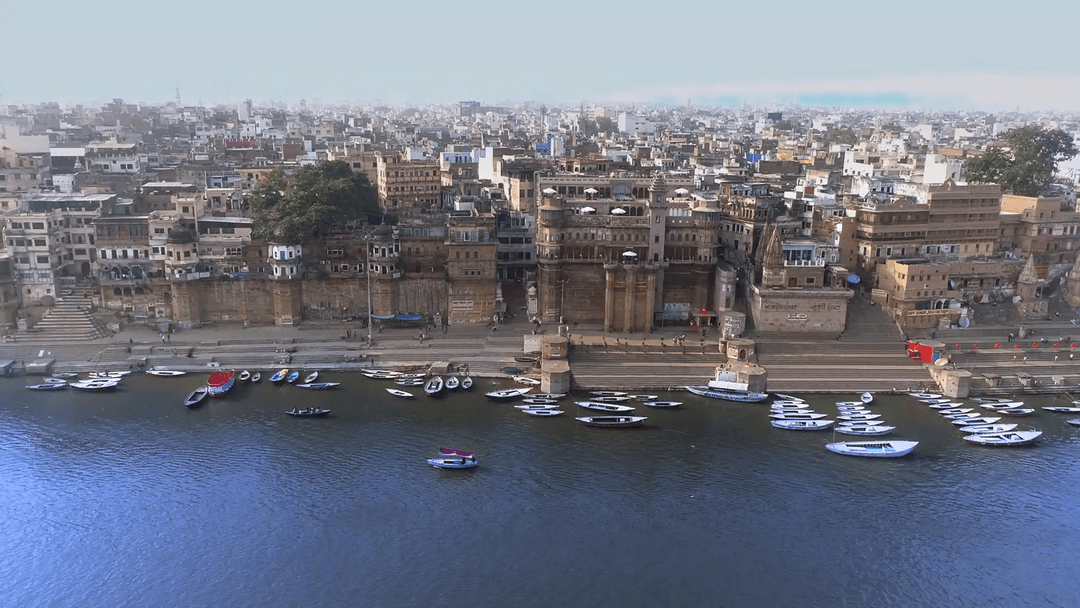
Most cities have a river. Varanasi is the river. The Ganga here isn't backdrop or geography, it's the reason the city exists, the reason eight million people a year make the trip, and the reason the ghat-facing room at a heritage hotel Varanasi is categorically different from a ghat-adjacent room three streets back.
Stay on the Ghats of Varanasi and the equation changes from the moment you arrive. The commute to the Ganga Aarti is a walk down to the water. The early morning boat ride starts from outside the door. The sounds of the oldest continuously inhabited city on earth, bells, chants, the river itself, come through the window at 5 am rather than requiring a car and a driver.
Ten reasons. Starting with the one most people underestimate.
Reason 1: The Ganga Aarti From Your Doorstep
Dashashwamedh Ghat's evening aarti is the visual centrepiece of Varanasi, priests in formation, flaming lamps moving in synchronised arcs over the water, incense smoke and chanting rising together in the specific way that the Ganga evening produces. It runs every single day, regardless of season, regardless of crowd.
Most visitors experience this from a boat booked in advance, or from the ghat itself surrounded by a crowd of several hundred. The hotel near Ganga Aarti Varanasi guest experiences it differently, from a terrace or balcony above the ghat, or walks down to the water's edge in two minutes without any planning.
The difference between attending the aarti and living adjacent to it for three days is the difference between a photograph and a memory.
Reason 2: The Dawn Boat Ride Nobody Plans for but Everyone Remembers
Varanasi's 5:30 am is the hour that requires the most from the visitor and gives the most back.
The Ganga in the early morning, mist still on the water, the ghats coming out of the dark as the boat moves along, cremation fires at Manikarnika visible from the river in a way that ground-level doesn't produce, the morning puja beginning on every ghat simultaneously, is the specific experience that makes people return to Varanasi. Not the temples. Not the Aarti. The river at dawn.
Stay on the Ghats of Varanasi and this isn't a booked excursion. It's what happens when someone at the hotel knows you want to go and has a boat waiting.
Reason 3: The City Wakes Up Differently When You're On the Ghats
The Varanasi that exists before 8 am is not the Varanasi of the tour group itinerary. The cremation ceremonies at Manikarnika running through the night and into the morning. The sadhus at their river-facing meditation stations. The dhobi ghats where laundry has been done the same way for generations. The children jumping into the Ganga before school.
From a heritage hotel Varanasi on the ghats, these aren't things you go to see. They happen around you as the morning develops. The ghat-facing room puts you inside the rhythm rather than arriving as an observer.
Reason 4: Kashi Vishwanath Temple Without the Commute
The Kashi Vishwanath Temple, one of the twelve Jyotirlingas, the most sacred Shiva temple in India, sits minutes from the main ghats. Kashi Vishwanath Temple is located nearby for properties on the Darbhanga and Dashashwamedh ghat belt, which means the morning temple visit doesn't require a vehicle, a driver, or fighting the narrow lane traffic that the rest of the city navigates.
The hotel near Kashi Vishwanath Temple advantage is specifically about the morning. The temple before 7 am, before the queue builds, then back to the hotel for breakfast overlooking the river, this is the Varanasi morning that the guest staying three kilometres away doesn't get.
Reason 5: The Food Tastes Different Here
Varanasi's vegetarian food culture is specific and serious. Banarasi paan, the kachori sabzi at specific establishments near the ghats that have been running the same recipe for decades, the thandai, the street food that the old city produces in the narrow lanes behind the ghats.
A heritage hotel Varanasi on the ghats puts you within walking distance of this. Breakfast on a terrace overlooking the Ganga, then ten minutes through the lanes to the kachori stall that the hotel staff have been recommending to guests for years. The food geography of Varanasi works best when the accommodation is inside it rather than connected to it by a drive.
Reason 6: The Cremation Grounds Context
Manikarnika and Harishchandra Ghats, Varanasi's cremation ghats, are part of the city's philosophy as much as its geography. The city's relationship with death is what makes it unlike anywhere else in India. Staying on the ghats means encountering this at a pace and proximity that changes what the trip means.
Reason 7: Classical Music at the Right Hour
Live morning classical music, sitar, tabla, flute, is the heritage hotel Varanasi experience that the boutique ghat property offers and the standard city hotel doesn't. The music at 7 am, with the river outside and the morning aarti recently finished, is the version of Varanasi that the tourist season doesn't manufacture.
Reason 8: The Boat as Transport
Accessible by boat from multiple points on the Ganga. The hotel near Ganga Aarti Varanasi that sits on its own ghat can be reached by river rather than by road, which is the specific way to arrive in Varanasi if you want the city to land properly.
Reason 9: The Architecture
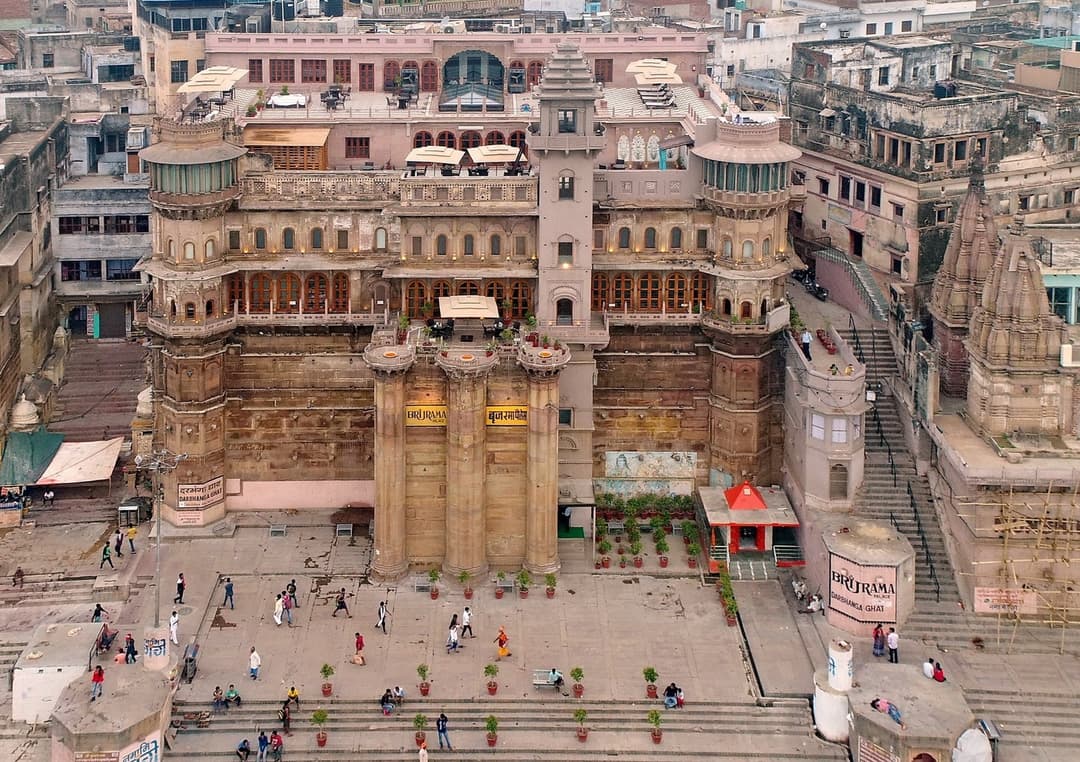
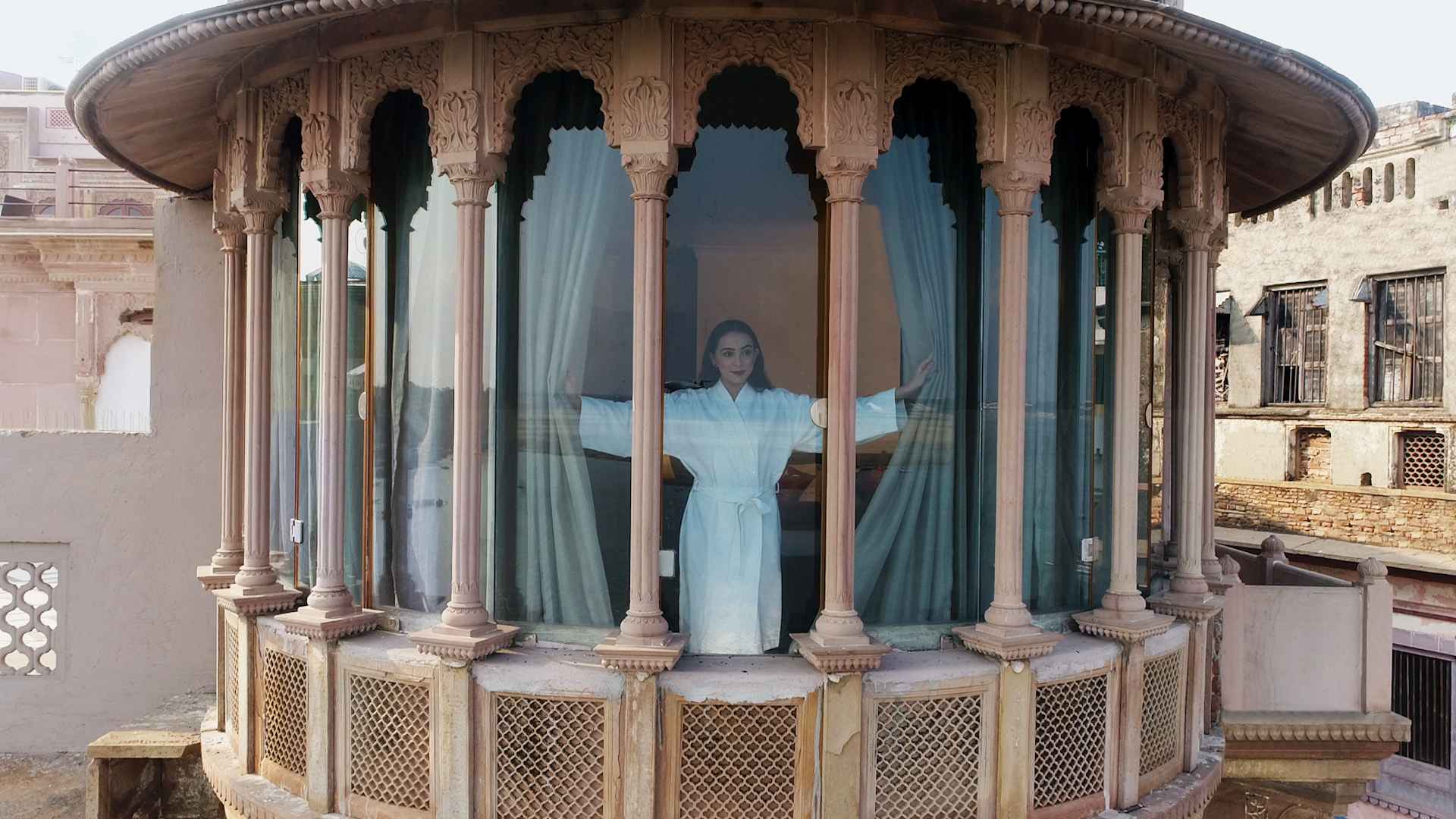
The ghat palaces of Varanasi, the haveli buildings rising directly from the riverbank, are the architectural record of the city's 18th and 19th century history. BrijRama Palace's architecture and design reflect the city's past and culture, influenced by the Maratha Dynasty. Staying inside this architecture rather than looking at it from a distance is a fundamentally different relationship with the place.
Reason 10: The Hotel near Kashi Vishwanath Temple Morning
The morning that begins with the temple, continues on the river, and ends with breakfast on a terrace, this specific sequence requires the ghat location. It cannot be replicated from a hotel in the commercial district, however good the rooms.
BrijRama Palace, Varanasi
Built in 1812 on Darbhanga Ghat, rising directly from the Ganga. One of the oldest man-made monuments in Varanasi, this 220-year-old palace is ideal for those who want to relax in royal luxury. 32 rooms including Nadidhara, Dhanurdhara, Vasundhara, Maharaja Suite, and Varuna Burj, several with marble slipper baths facing the river.
Front-row position for the Dashashwamedh Ghat aarti. Dawn boat rides arranged from the ghat. Live morning classical music daily. Angan Restaurant with all-day dining. Private riverboat dinner. Breakfast on the open-air terrace. Yoga sessions on the river-facing terrace, a library, live classical music performances, and complimentary boat rides on the Ganga. Guided temple and heritage walks. Vegetarian and alcohol-free, in keeping with the city's character.
Guests praise the warm hospitality, with special mentions for staff who made stays memorable. As a heritage hotel Varanasi built before the city became a tourist destination, and still running as the city's spiritual character demands, BrijRama Palace is the specific answer to every reason on this list.