Why South Goa's Heritage Villages Deserve Your Attention
07-08-2026
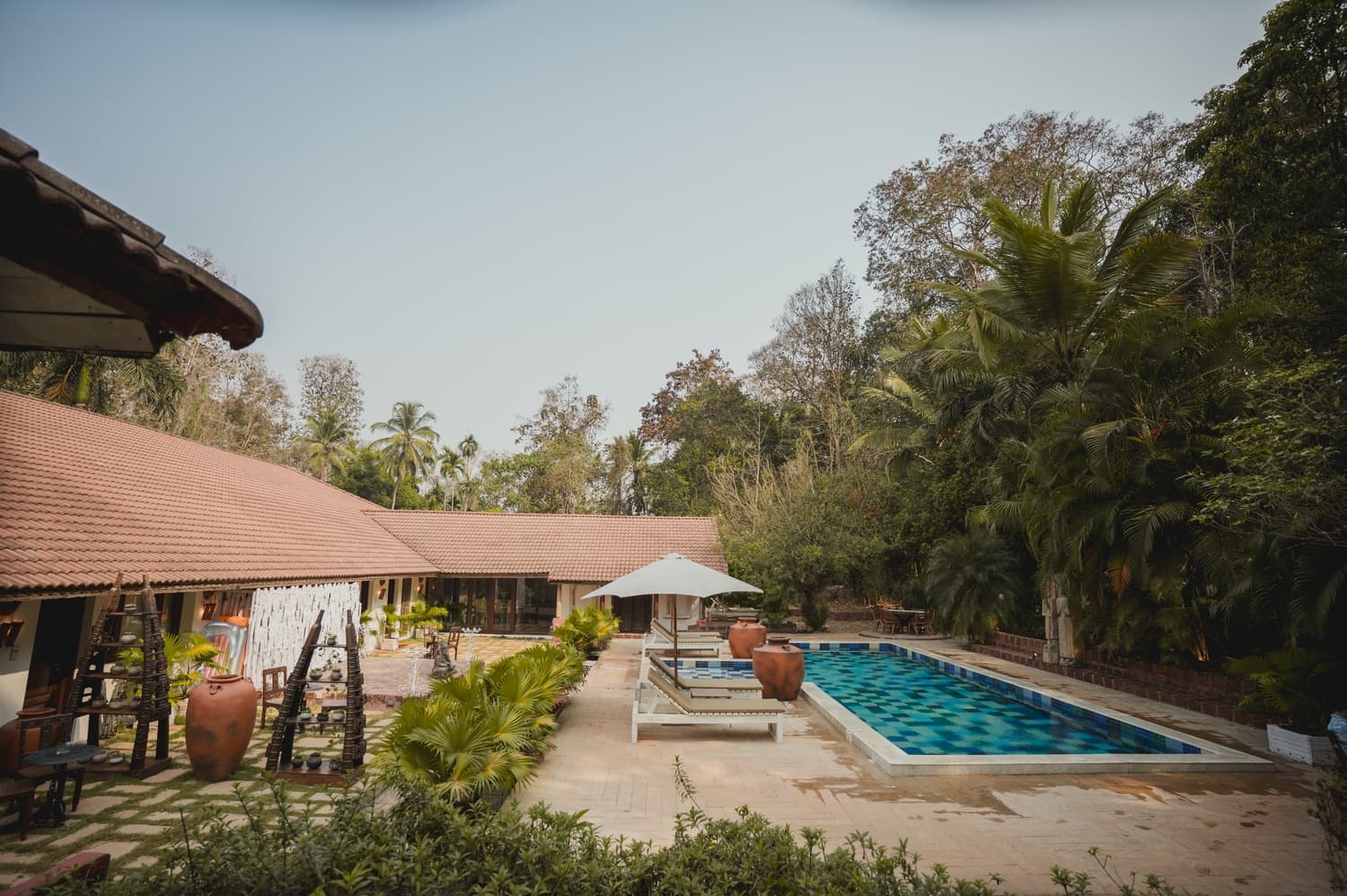
Table of Contents
- 1. The Goa Nobody Warned You About
- 2. What Susegad Actually Means: And Why It Matters Where You Stay
- 3. The Portuguese Heritage Goa Kept Without Trying To
- 4. Loutolim: The Village That Explains the Rest of Goa
- 5. What a Heritage Stay in South Goa Gives You That the Beach Doesn't
- 6. The Experiences the Interior Makes Possible
- 7. Brij Casa Susegad
The Goa Nobody Warned You About
Here's what happens on most Goa trips. You land. You get to the hotel. The beach is great for a day, good for two, slightly repetitive by day three. The shacks start blending into each other. You realise at some point that you've been in Goa for four days and haven't seen anything of Goa.
That's the beach belt problem. The coastline is beautiful. It's also 90% of what most tourists see, which means the Goa that exists 20 kilometres inland, forested, slow, built by Portuguese settlers and Goan aristocrats over 400 years, sits entirely unvisited by most people who claim to love the place.
The heritage stay South Goa in the interior villages is the version of Goa that the beach resort visitor describes on the fifth trip, when they finally stopped booking the same hotel near Calangute and asked what else was there.
The answer, considerably more.
What Susegad Actually Means: And Why It Matters Where You Stay
Susegad. Konkani for contented ease. Unhurried, unbothered, present. Not passive, the Goans will tell you it's an active state, a decision to be where you are without wanting to be somewhere else.
You can't manufacture susegad in a hotel with a DJ pool party and a bar that runs until 2 am. You also can't manufacture it by trying too hard to find the quiet version of Goa while still staying in the loud part of it.
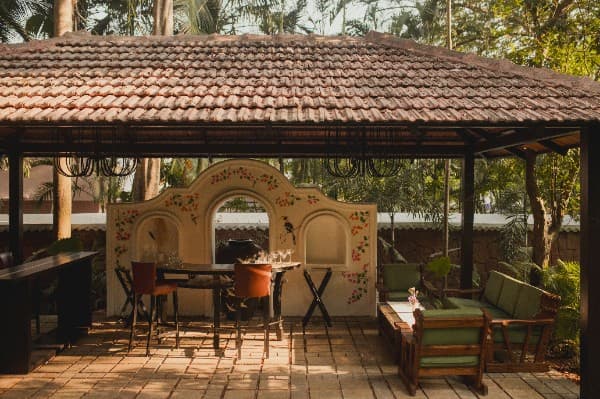
The heritage stay South Goa in the Salcete interior delivers susegad because the place itself is built around it. Loutolim's forested hillocks. The sound of the cashew groves rather than the sound of mopeds. The mornings where the birds register before anything human does. The specific quality of a Goan village that has simply continued being itself rather than converting itself into a resort town.
The Portuguese Heritage Goa Kept Without Trying To
Portuguese heritage Goa is usually discussed through churches. Se Cathedral. Basilica of Bom Jesus. The World Heritage Site churches of Old Goa that every visitor photographs from the outside and some enter.
That's the public heritage. The domestic heritage is something else.
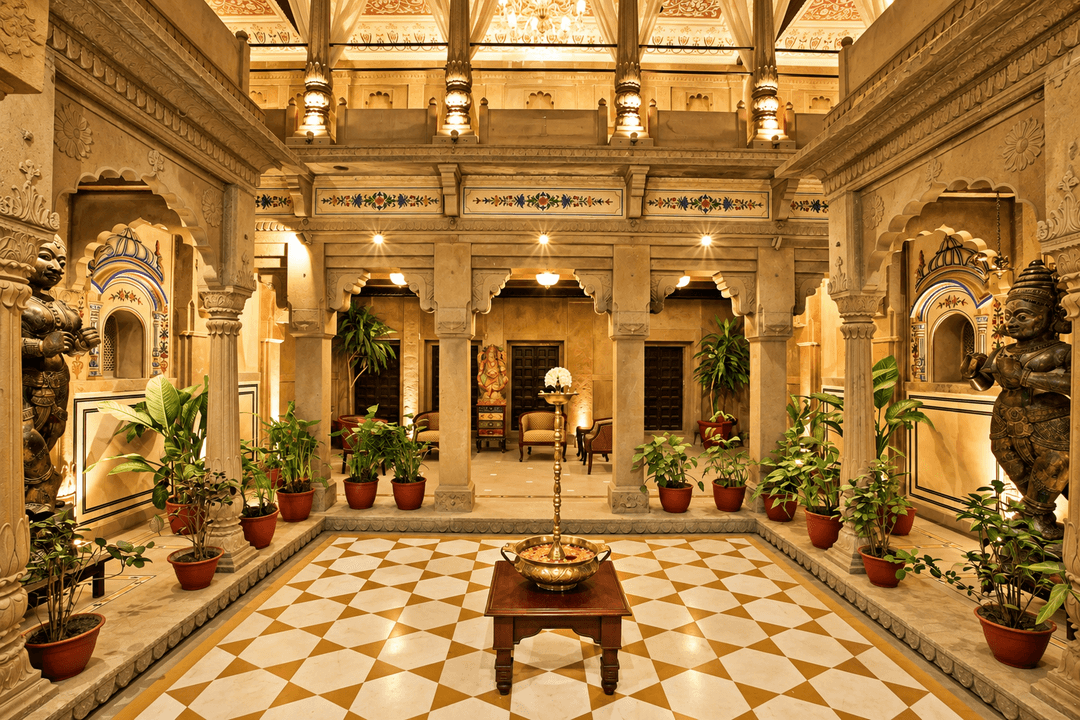
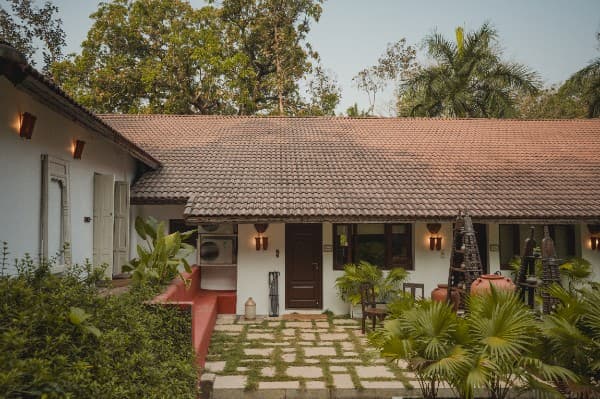
The Salcete taluka, where Loutolim sits, carries the largest concentration of Portuguese heritage Goa mansions still in private hands. Laterite stone construction that breathes with the climate rather than fighting it. High ceilings that keep rooms cool without mechanical assistance. Carved wooden balustrades. Azulejo tilework. The specific Goa-Portuguese hybrid aesthetic that emerged when Indian craftspeople built European designs with local materials over several centuries.
These houses weren't built for tourists. They were built for families who planned to stay. The ones that remain, maintained, inhabited, converted carefully into accommodation, carry that intention in the walls.
Loutolim: The Village That Explains the Rest of Goa
Loutolim is where Mario Miranda lived and worked. The cartoonist whose ink drawings of Goan life, the characters, the absurdities, the warmth, are the closest thing Goa has produced to a visual autobiography of itself. The village has a museum in his memory. It also has his house, the church he would have walked to, the specific atmosphere of a Goan village that produced someone who could observe it that closely.
The heritage mansions here, Casa Susegad, the Braganza House in nearby Chandor, the Miranda house, represent the architectural peak of Portuguese heritage Goa at the domestic scale. Walking through the village is walking through the material record of 400 years of Goan family history.
This is the context that a heritage hotel South Goa in Loutolim puts you inside. Not adjacent to it. Inside it.
What a Heritage Stay in South Goa Gives You That the Beach Doesn't
Temperature, first: Laterite stone and high ceilings keep interiors genuinely cooler than the Goan heat outside. The heritage stay South Goa experience in a properly constructed old building is physically different from the concrete hotel with air conditioning fighting the heat from outside.
Sound, second: No generators, no beach vendors, no 4 am garbage trucks. The Loutolim morning is the birds and the wind through the cashew trees and whatever the nearby river is doing. That's the full list.
Access, third: Cotigao Wildlife Sanctuary, one of India's most pristine forests, hornbills, rare birdlife, is within reach from the Salcete interior in a way it isn't from the North Goa beach belt. The Sal River for crab fishing. Cabo de Rama for the morning boat on the Arabian Sea. Colva and Majorda beaches 20 to 25 kilometres away when the day wants sand without the stay being defined by it.
The luxury villa South Goa option in the interior gives you the coast as a day trip and the interior as home. That's the opposite of the standard Goa arrangement, and it consistently produces a better trip.
The Experiences the Interior Makes Possible
- Village Walk and Home-Cooked Lunch: Through Loutolim, the museum, the mansions, ending at a local home for a meal prepared by the family who lives there. The lunch that explains the food better than any restaurant does
- Cotigao Wildlife Sanctuary: Forest walk, expert naturalists, hornbills in the canopy, the forest South Goa has been quietly protecting
- Morning Boat Ride from Cabo de Rama: Traditional fisherman's vessel, dolphins in the Arabian Sea, the coast from the water rather than the beach
- Crab Fishing on the Sal River: White-bellied sea eagles overhead, crabs below, the river ecology that the tourist Goa doesn't know exists
- Bird Trails: South Goa's avian diversity with naturalists who grew up knowing these species in these forests.
The heritage stay South Goa that these experiences surround isn't a scenic backdrop. It's the reason the experiences are possible in the first place.
Brij Casa Susegad: The Heritage Stay South Goa Does Properly
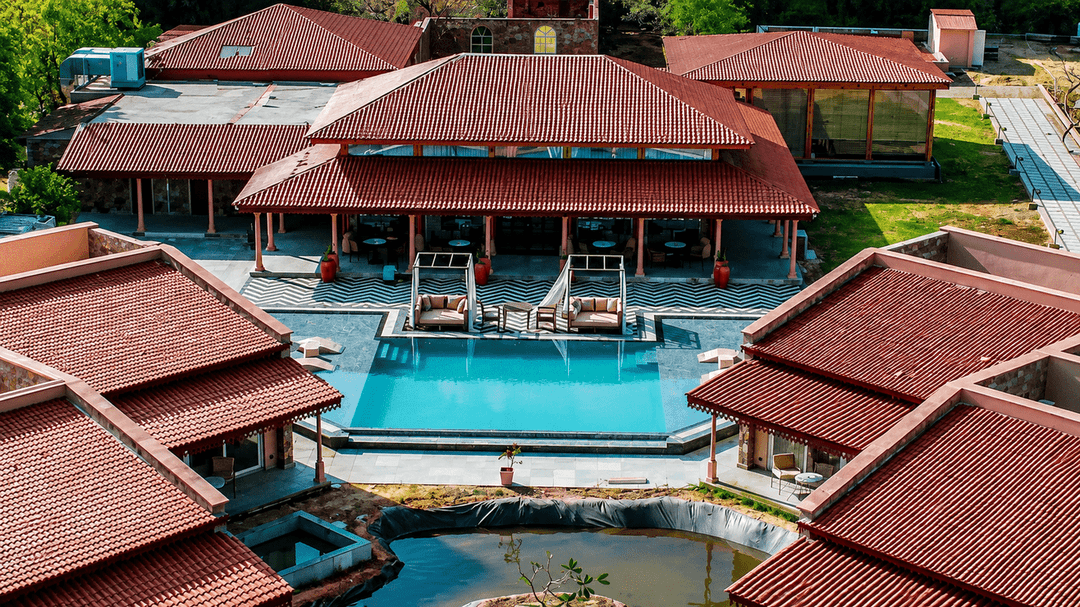
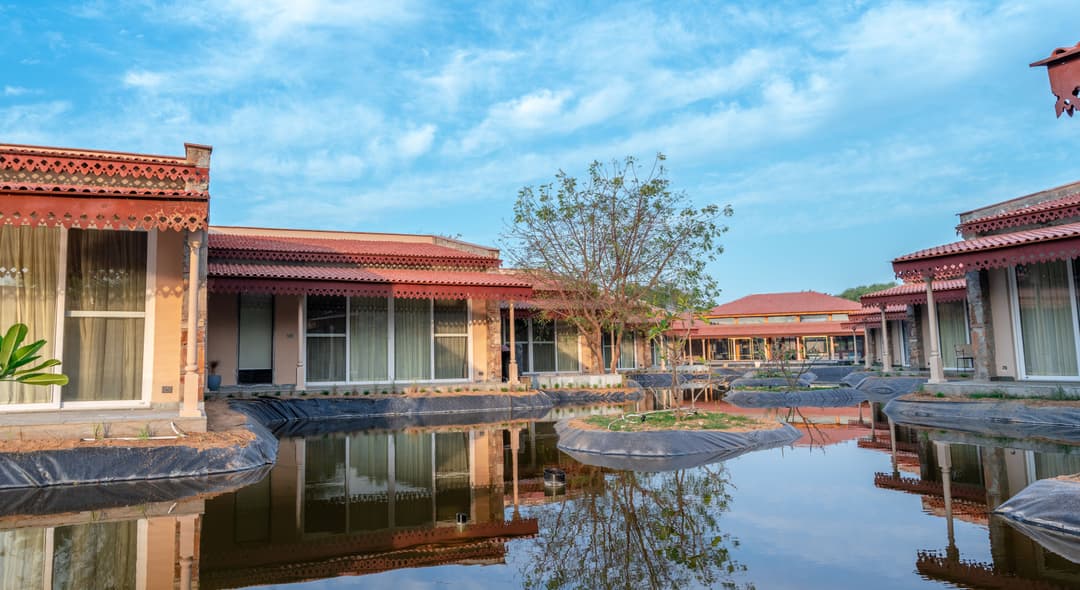
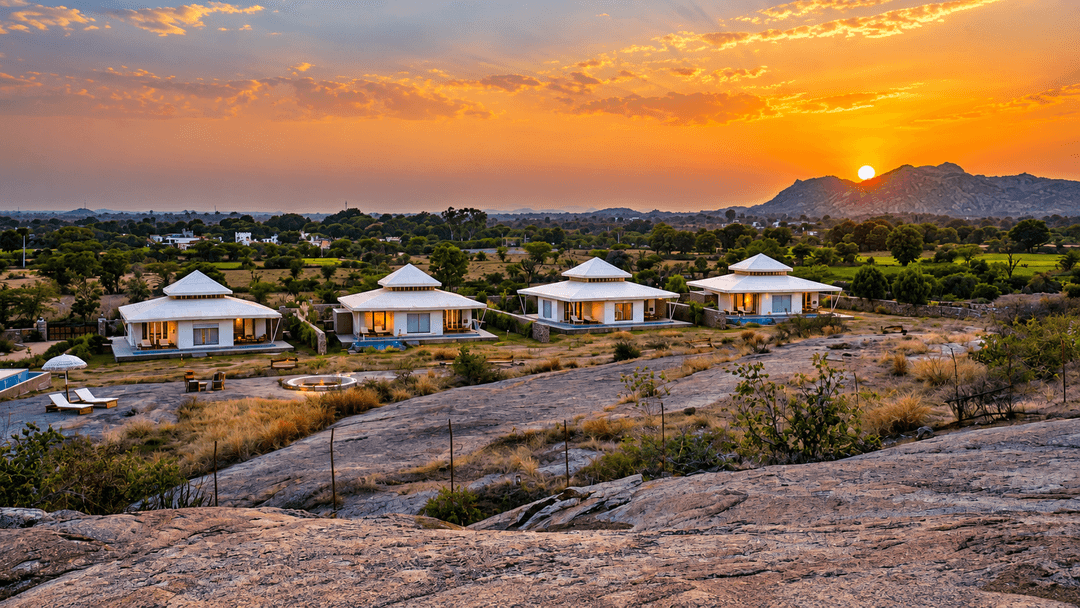
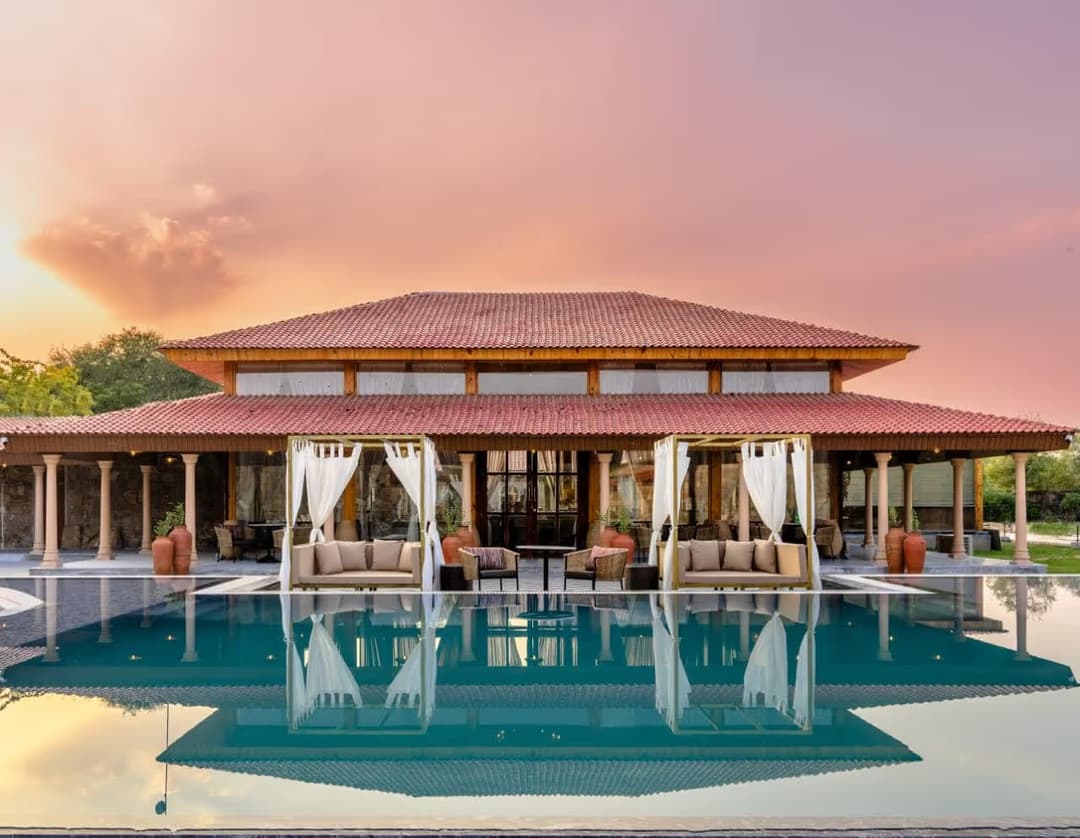
Seven rooms in a luxury villa South Goa built in the Portuguese tradition, bookable whole, or as a four-room and three-room split. Mario Suite at 935 sq ft, named for Mario Miranda, walk-in wardrobe, open shower. Rozario Suite at 500 sq ft. Four standard rooms, Faleiro, Dourado, Machado, Barreto, each overlooking the pool and hillock.
Swimming pool, restaurant, bar, room service, free Wi-Fi, airport transfer arranged. One of the only genuine heritage hotels in South Goa with this combination of location, architecture, and experience programme.
The heritage stay South Goa that delivers susegad rather than promising it.