How to Spend 48 Hours in Varanasi Like a Luxury Traveller
10-08-2026
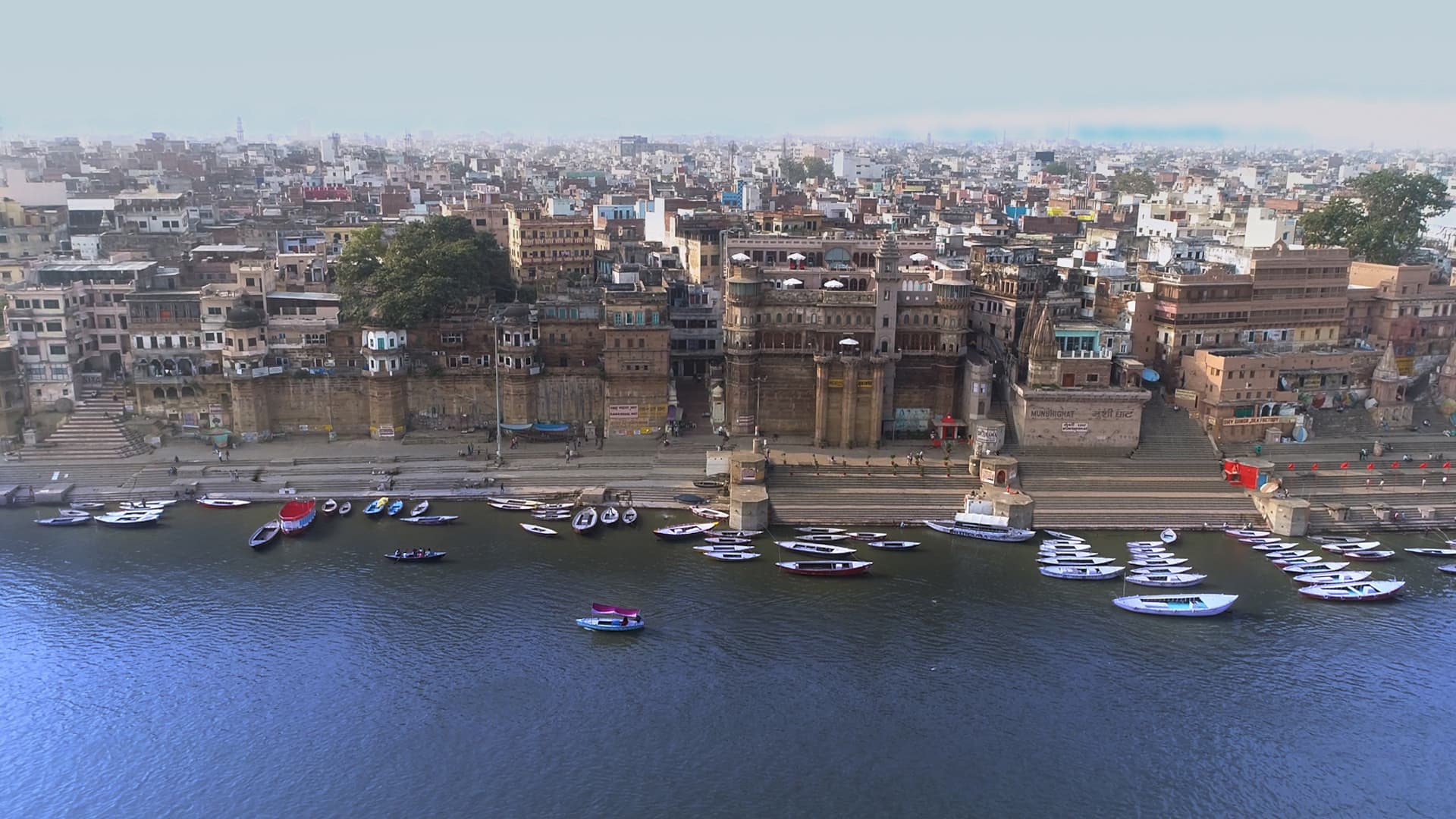
Table of Contents
- 1. The 48-Hour Varanasi Brief
- 2. Hour 1-6: Arrive by River, Not by Road
- 3. Hour 7-12: The Dawn That Changes Everything
- 4. Hour 13-24: The City Behind the Ghats
- 5. Hour 25-36: The Varanasi Nobody Plans For
- 6. Hour 37-48: The Evening That Closes the Trip
- 7. BrijRama Palace, Varanasi
The 48-Hour Varanasi Brief
Two days is enough to understand why people return. Not enough to exhaust it, Varanasi doesn't exhaust, but enough to feel the city shift from overwhelming to coherent, from spectacle to something more personal.
The luxury stay in Varanasi that makes 48 hours work isn't just about the room. It's about the location relative to the river, the staff who know the city well enough to make calls that aren't in any guidebook, and the property that puts the Ganga's morning light through your window rather than requiring a drive to reach it.
This is the itinerary. It starts at the water.
Hour 1- 6: Arrive by River, Not by Road
Varanasi's roads are what they are. The old city's lanes were built for foot traffic and have been accommodating motorcycles under protest ever since. The airport is 25 kilometres from the ghats. The calculation most visitors make, taxi to the hotel, settle in, then figure out the ghats, adds an hour of logistics to an arrival that doesn't need it.
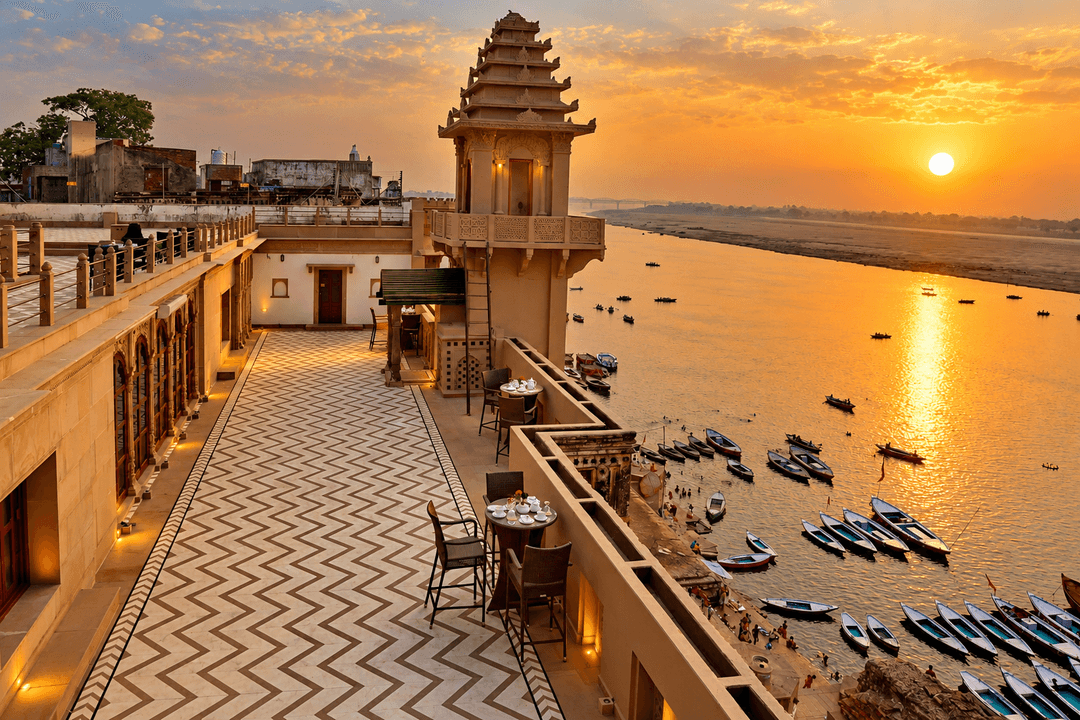
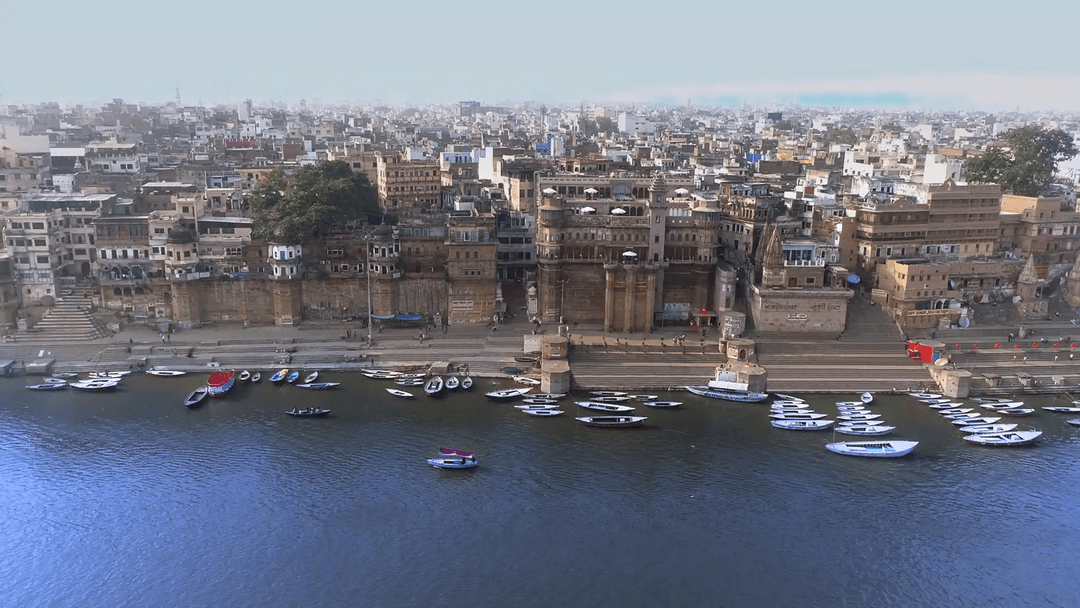
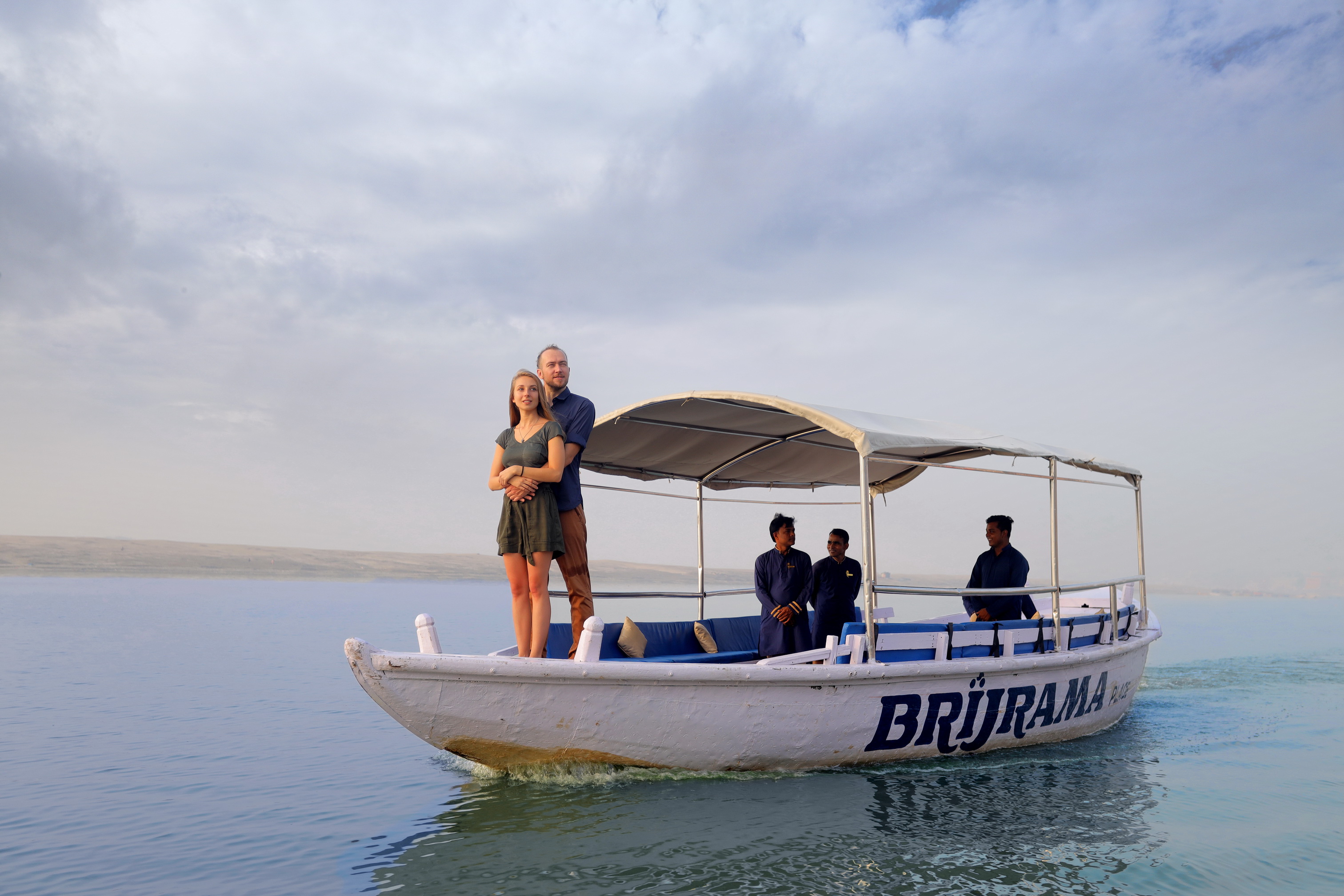
The better arrival: taxi to a designated ghat, then boat. From Rajghat, a river transfer takes 18 to 20 minutes along the Ganga to Darbhanga Ghat. The city reveals itself from the water in the sequence it's meant to be seen, the ghats rising from the river, the temples above them, the specific chaotic beauty of Varanasi's riverfront appearing ghat by ghat. By the time you arrive at the hotel's landing, the city has already communicated what it is.
This is the luxury hotel near Dashashwamedh Ghat arrival that most guests don't realise is possible until someone tells them. The hotel concierge should be the one who tells you.
Check in. The room, facing the river. The Ganga immediately present outside the window, a Ganga view hotel in the literal sense rather than the marketing one. Settle in. Rest if the travel was long. Dinner at the in-house restaurant before the first full day begins.
Hour 7–12: The Dawn That Changes Everything
The alarm at 5 am feels unreasonable until the boat is on the water at 5:30 and the Ganga is doing what it does at first light.
The pre-dawn boat ride on the Ganges is Varanasi's most repeated recommendation for a reason that photographs can't fully transfer. Mist. The ghats come out of the dark slowly as the boat moves. The morning puja begins on every ghat simultaneously, lamps, incense, the sound of bells and Sanskrit carrying across the water before the city's noise arrives. The cremation fires at Manikarnika visible from the river in the particular way they are only from water level.
A luxury stay in Varanasi at the right property means this begins from the hotel's ghat, no cab, no navigation, the butler arranging the boat while you're drinking the first coffee. The difference between watching this experience happen around you versus arriving at it as a tourist is the difference between Varanasi understood and Varanasi visited.
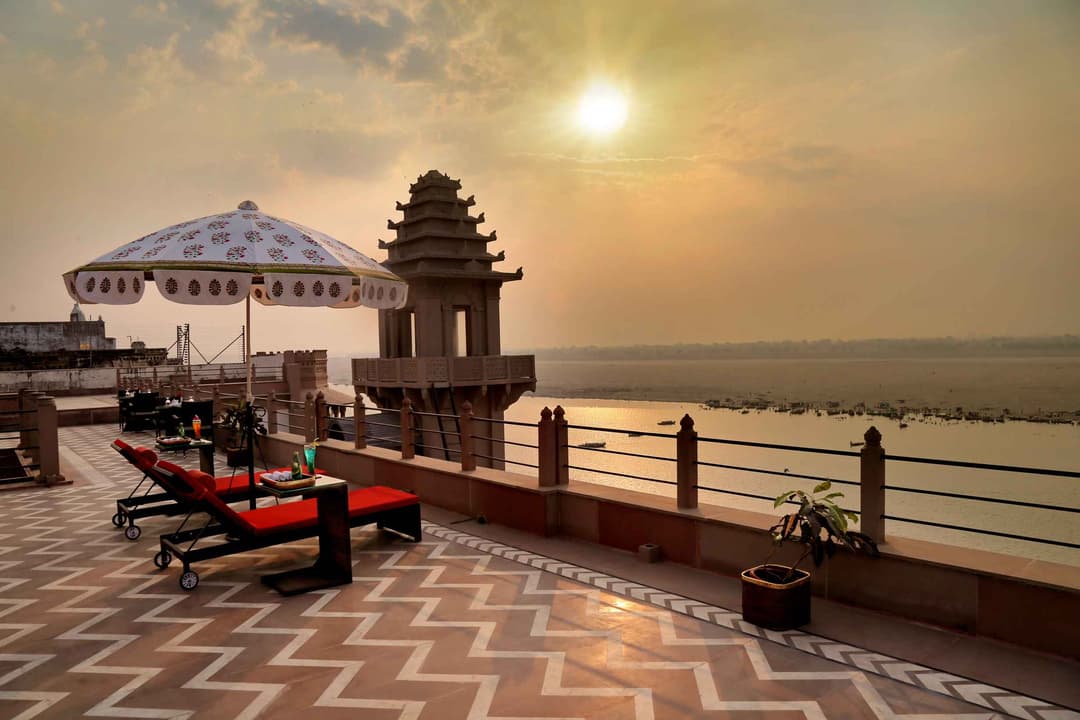
Back to the property by 7:30 am. Live classical music, sitar, tabla, flute, playing in the morning as the Ganga wakes up below. Breakfast on the open-air terrace overlooking the river. This is the specific morning that people mean when they say Varanasi changed something in them.
Hour 13-24: The City Behind the Ghats
Varanasi's real character isn't on the river. It's in the lanes.
The heritage hotel in Varanasi that understands this provides a guide, not a tour-group guide with a flag and a script, but someone who grew up in these lanes, who knows which shop has been selling the same paan recipe for 80 years, which weaver on which alley is worth sitting with for an hour, which temple has morning prayers that visitors can witness without being managed through them.
Kashi Vishwanath Temple is minutes from the ghats, walking distance from any property on the Darbhanga-Dashashwamedh belt. The new corridor built around the temple has changed the approach but not the experience of the temple itself. Morning, before the crowds build, is the hour to go.
The Banarasi textile lanes behind the ghats: the Banarasi silk weaving tradition is one of the most technically complex textile arts in India, and buying directly from a weaver's workshop rather than a showroom changes the transaction from shopping to something more like education with a purchase at the end.
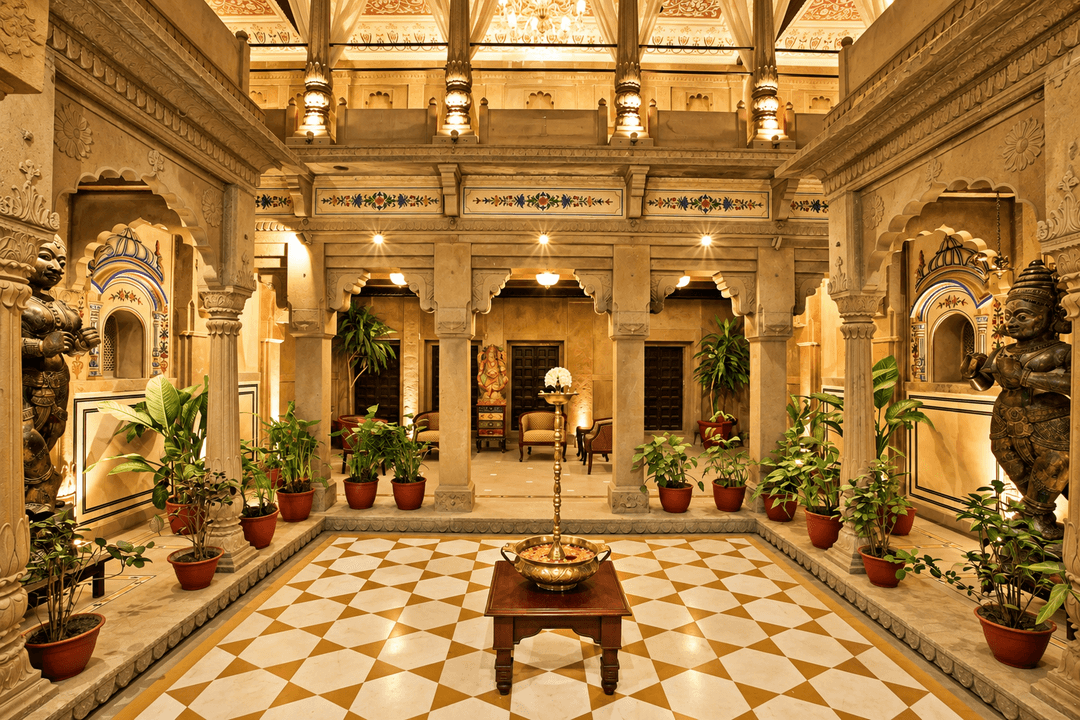
Lunch at Chota Angan, the hotel's fusion restaurant in the courtyard. The menu is Banarasi in spirit with a contemporary kitchen behind it. Afternoon: the terrace with a book, the river below, the city going about its afternoon business.
Hour 25-36: The Varanasi Nobody Plans For
The second morning in Varanasi is different from the first. The city is less overwhelming. The ghats start making individual sense rather than appearing as a continuous blur of ritual and humanity. The traveller who returns to the river on day two sees things that the day-one version missed.
Dawn aarti at Assi Ghat: Different in character from Dashashwamedh's grand evening aarti. Smaller, more intimate, the hymns and conch and bells in the first light before the city's full morning energy arrives. The luxury stay in Varanasi that positions you a boat ride from both ghats gives you both versions of the same ritual.
The Banaras Hindu University campus: 4 kilometres from the ghats, the Bharat Kala Bhavan museum within it carrying one of the most significant collections of Banarasi textiles and antiquities in India. The Tulsi Manas Temple, built on the site where the Ramcharitmanas is said to have been composed.
The guided heritage walk through the city's historical lanes: The oldest gali structures, the wells, the neighbourhood temples that have been operating for centuries before tourism was a concept. The heritage hotel in Varanasi arranges this with someone who knows the difference between the tourist route and the actual city.
Private dinner on the hotel's Udayan terrace or a traditional bajra riverboat cruising past the lamp-lit ghats at dusk, the private-dining option that the hotel arranges and that most people who've experienced it describe as the best meal of the trip.
Hour 37-48: The Evening That Closes the Trip
The last evening in Varanasi should happen at Dashashwamedh.
The luxury hotel near Dashashwamedh Ghat guest has a specific advantage here: the ability to be at the ghat before the crowd arrives, to find the right position, and to watch the aarti develop from beginning to end without fighting for a view.
Priests in formation. Seven simultaneous flaming lamps moving in synchronised arcs. Incense, chanting, bells, the Ganga reflecting it all. The ceremony runs every single evening regardless of season or crowd. The experience of it from a property that's a two-minute walk away is different from arriving by auto-rickshaw after navigating through the old city.
The Ganga view hotel morning on day three: river-view high tea with local snacks and bakes in the golden hour. The bajra boat breakfast option if the farewell calls for something specific. Checkout by the water.
Varanasi doesn't close when the trip ends. It continues exactly as it was before you arrived. That's what makes the 48-hour version of it both complete and deliberately insufficient.
BrijRama Palace, Varanasi
Built in 1812 on Darbhanga Ghat. Rising from the Ganga directly. 32 rooms including Nadidhara, Dhanurdhara, Vasundhara, Maharaja Suite, and Varuna Burj, several with marble slipper baths facing the river. The second oldest palace in Varanasi, with a heritage hotel in Varanasi character built over two centuries rather than designed for one.
Live morning classical music daily. Front-row position for the Dashashwamedh Ghat aarti. Dawn boat rides arranged from the hotel's ghat. Two restaurants, Darbhanga (global cuisine, river terrace) and Chota Angan (fusion, courtyard). Private riverboat dinner. Yoga on the river-facing terrace. A library, complimentary boat rides, full-service spa. All-vegetarian, no alcohol, in keeping with Kashi's character.
The luxury stay in Varanasi that 48 hours works best from is the one where nothing about the accommodation requires separate arrangement from the city. BrijRama Palace, at Darbhanga Ghat, is that property.