North Goa Beyond Beaches: A Heritage Traveller's Guide
17-08-2026
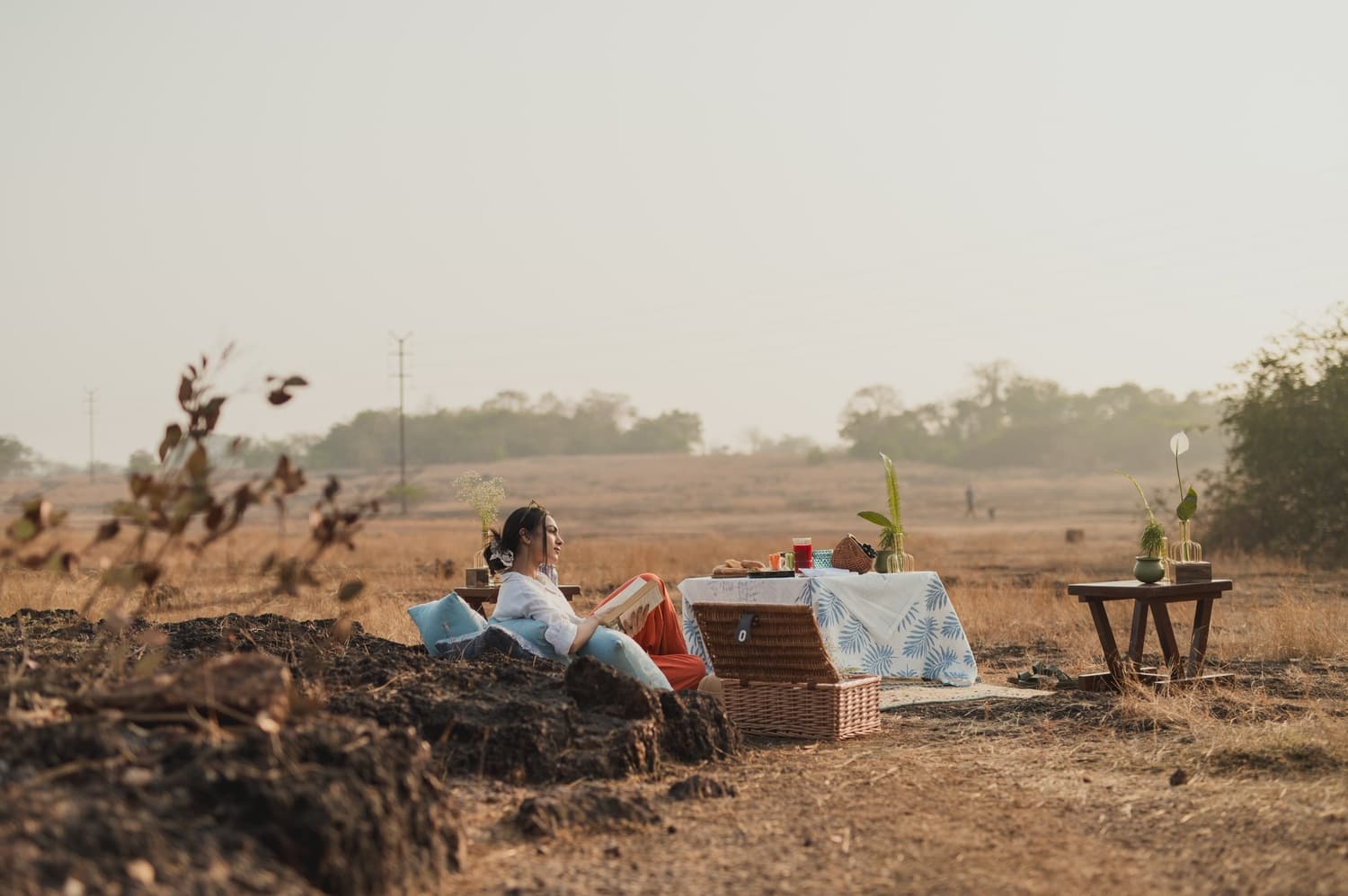
Table of Contents
- 1. The North Goa Nobody Talks About
- 2. Saligao: The Village That Refused to Become a Resort Town
- 3. The Portuguese Architecture Trail
- 4. The Food Heritage That the Shacks Don't Serve
- 5. The Birdwatching and Plateau Walks Nobody Plans For
- 6. Feni, Spices, and the Cultural Experiences Worth Slowing Down For
- 7. Brij Paraiso, Saligao
The North Goa Nobody Talks About
Most people arrive in North Goa for the beaches. Calangute, Baga, Anjuna, Vagator, the names are shorthand for a specific kind of holiday that involves sunscreen and seafood and not much else. It works. For a few days, it works very well.
Then something shifts. By day three, the beach has done what beaches do, and the traveller who came looking for Goa, the actual place, not just the coastline, starts wondering where to find it.
It's 4 kilometres inland. In the villages.
The boutique hotel North Goa conversation that makes sense for the heritage traveller starts in Saligao, Moira, Aldona, Parra, the inland villages where the Indo-Portuguese architecture still stands, where the lanes are narrow and the houses have names, where Goa's character was formed over four centuries before the beach economy arrived to redefine it.
Saligao: The Village That Refused to Become a Resort Town
Saligao sits 8 kilometres from Calangute. It takes under fifteen minutes to drive there from the beach belt. The world on the other side of that drive is categorically different.
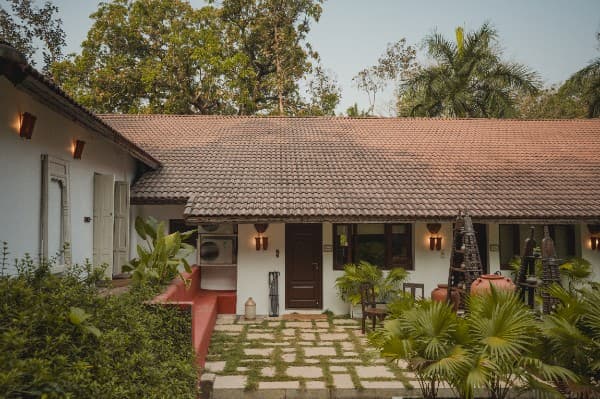
Whitewashed walls with bougainvillea running over them. Chapel of Mae de Deus, the 19th-century Gothic structure that anchors the village square in the specific way that the Catholic churches of Goa's inland villages do. Indo-Portuguese houses with carved wooden balustrades and azulejo tile work, several still in the same family that built them. The particular quiet of a village that has held its character against the development pressure surrounding it.
Cycling through Saligao's lanes, the village cricket matches audible before visible, the ghost house with its own local legend, the small artist corners between the larger homes, is the version of Goa that the beach resort guest never reaches. The luxury hotel North Goa that sits inside this village rather than adjacent to it gives the traveller the experience from the door rather than requiring a separate excursion.
The Portuguese Architecture Trail
The heritage architecture of North Goa's villages isn't in a museum. It's in the occupied houses, the family compounds, the churches that hold services every Sunday and have been doing so for 400 years.
The heritage hotel North Goa visitor who does the architecture trail, Saligao, then Moira with its Assumption Church and the homes of the old Goan aristocratic families, then Aldona across the Mapusa River and up to the hilltop church, is doing the Goa trip that the cultural travel publications describe and that very few visitors actually undertake.
Parra, the village whose name one of the rooms at Brij Paraiso carries, has laterite stone houses in various states of occupation and decay that represent the full spectrum of what the Portuguese-Goan domestic tradition produced: the grand family mansion, the modest village house, the chapel at the lane's end.
The best boutique hotels Goa for this kind of trip are the ones in the villages rather than on the coast, the ones where the architecture trail starts at the gate rather than requiring a vehicle to reach its starting point.
The Food Heritage That the Shacks Don't Serve
The beach shacks do fish curry and rice well. They do prawn dishes, they do beer, they do the Goan food that has become the default expectation of every visitor.
The food heritage of the Goan interior is a different register. Xacuti, a complex dry spice mix ground from scratch, not opened from a packet. Recheado masala, the red marinade that the inland kitchens make properly. The pickle traditions that the village households maintain from season to season. These are the flavours that Goan families eat at home and that the tourist restaurant approximates rather than delivers.
The spice mixing class that Brij Paraiso runs, grinding and blending the Xacuti and Recheado from the individual spices, understanding what each one contributes before combining them, is the food experience that produces something genuinely transferable. The knowledge, not just the meal.
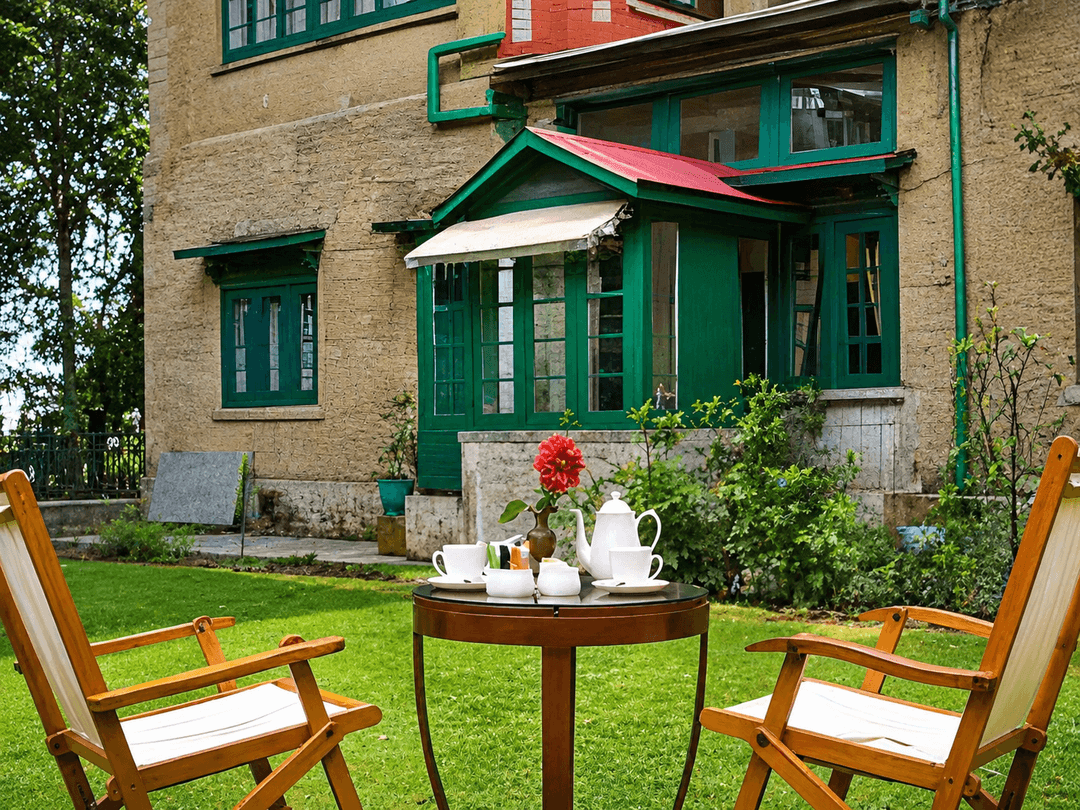
High tea with pickle-making led by local artisans. The outdoor pizza oven session for families. These sit alongside the heritage food experiences because the boutique hotel North Goa that understands its location understands that food culture and architectural culture are part of the same inheritance.
The Birdwatching and Plateau Walks Nobody Plans For
Goa's birdlife is one of the better-kept secrets in Indian wildlife tourism. The Agacaim mudflats, coastal wetlands accessible from the Saligao area, carry herons, egrets, migrating waders, and the specific birdlife that the coastal wetland habitat produces in ways the beach doesn't. Mrugaya Expeditions guides the birdwatching session from Brij Paraiso, wrapping the morning in a local breakfast at a nearby eatery.
The Succoro Plateau walk, a laterite bed above the Goan countryside with wildflowers and views across rolling landscape, is the morning that families and solo travellers both describe as the most unexpectedly beautiful part of the trip. The cold breakfast by a picnic setup on the plateau, tea and coffee while the Goan countryside stretches below, is the specific experience that the beach-focused itinerary leaves no room for.
The luxury hotel North Goa that programmes these experiences alongside the village walk and the architectural trail is the one that makes North Goa feel like a destination rather than a backdrop.
Feni, Spices, and the Cultural Experiences Worth Slowing Down For
Feni is Goa's signature spirit. The cashew apple version, distilled from the fermented juice of the cashew fruit, has been produced in the villages for centuries and is specific to Goa in the way that single malt is specific to Scotland. The tasting session at Brij Paraiso covers the distillation process, the aroma, the comparison between cashew and coconut toddy feni, and the history of a spirit that the Indian government has given GI (Geographical Indication) status.
The Saligao Village Saunter, a guided walk through the lanes with Make it Happen, ending at a preserved Indo-Portuguese home for high tea with local delicacies, is the village experience that the heritage traveller came to Goa specifically for and that the best boutique hotels Goa in the inland villages specifically enable.
Brij Paraiso, Saligao
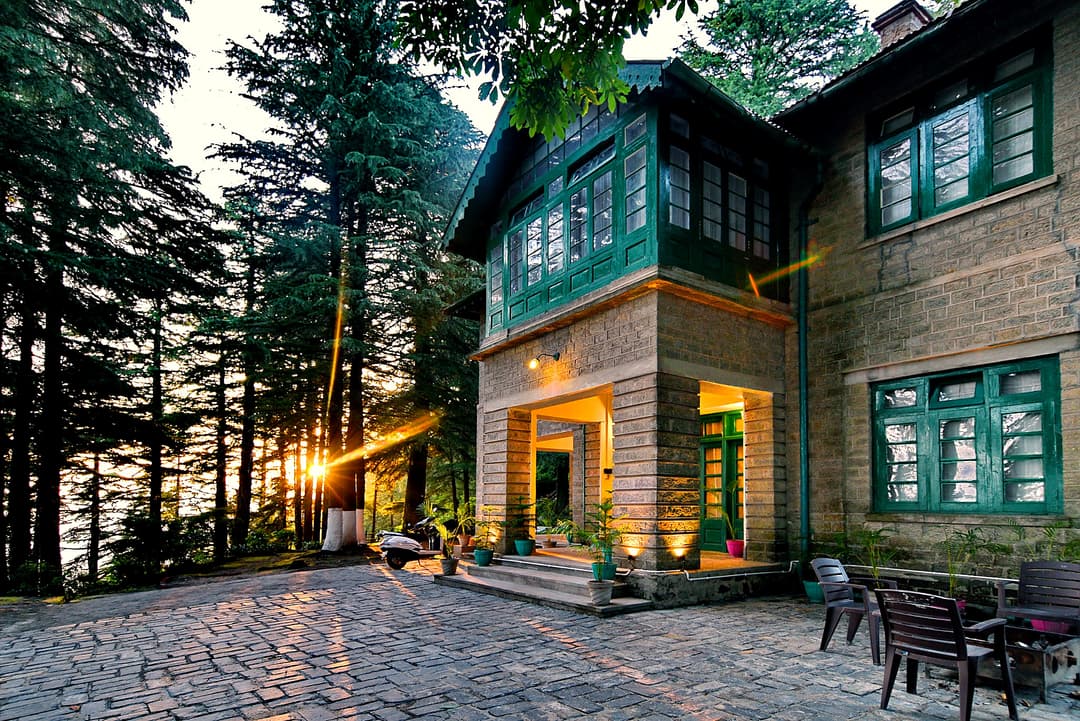
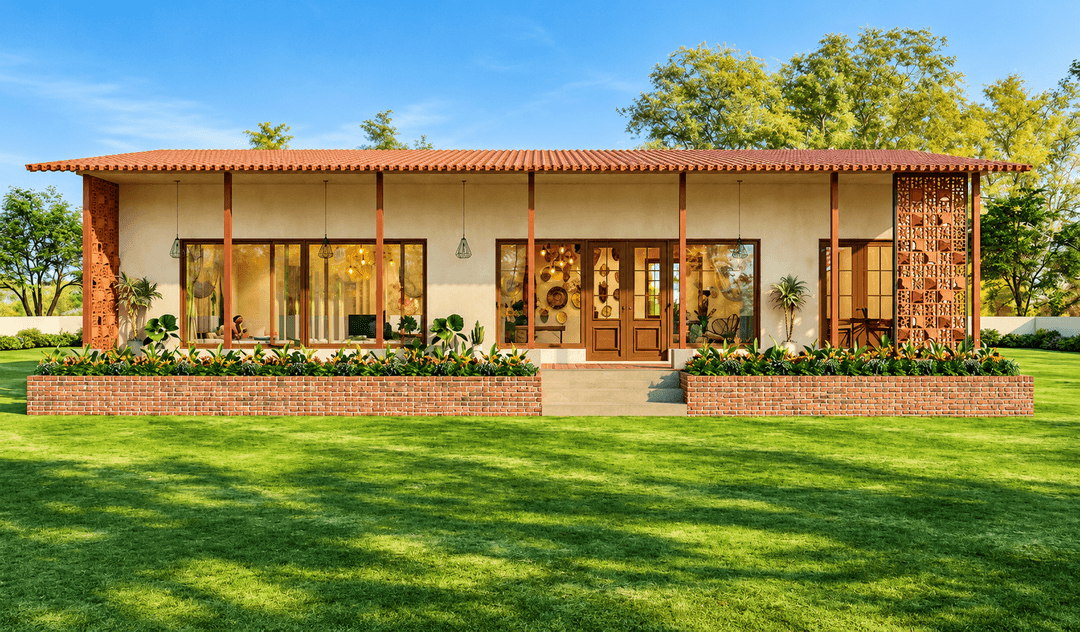
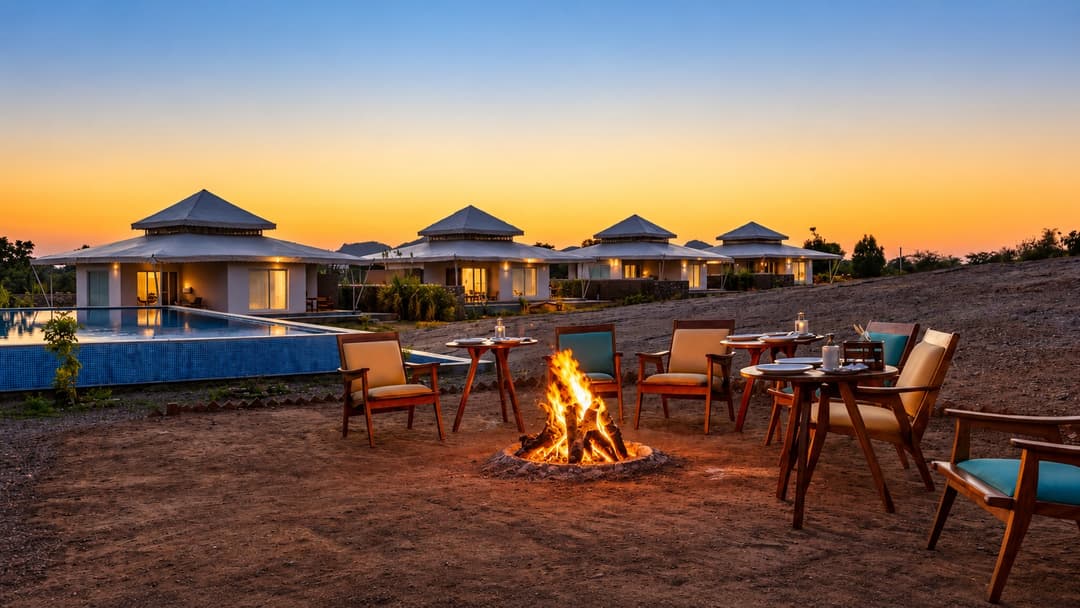
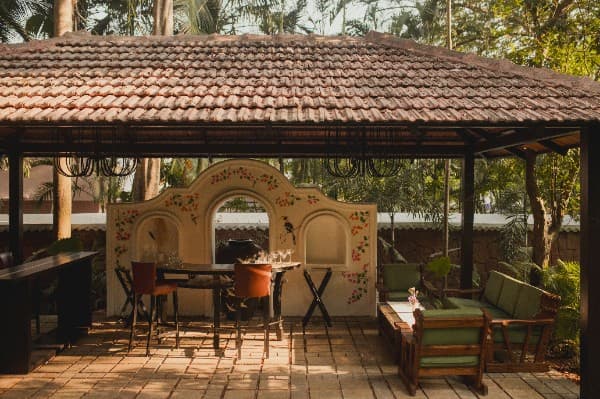
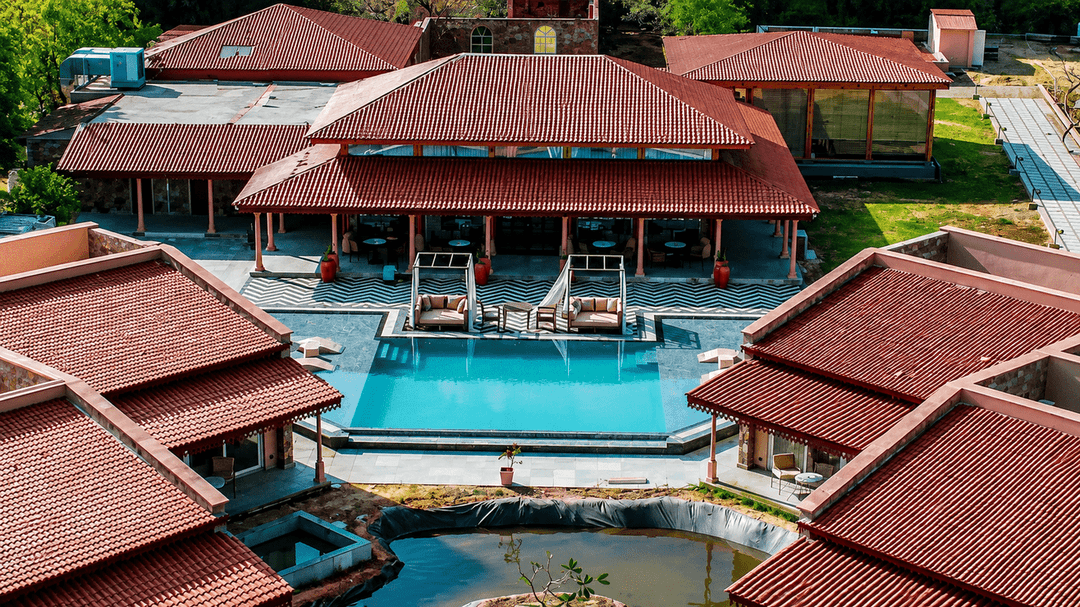
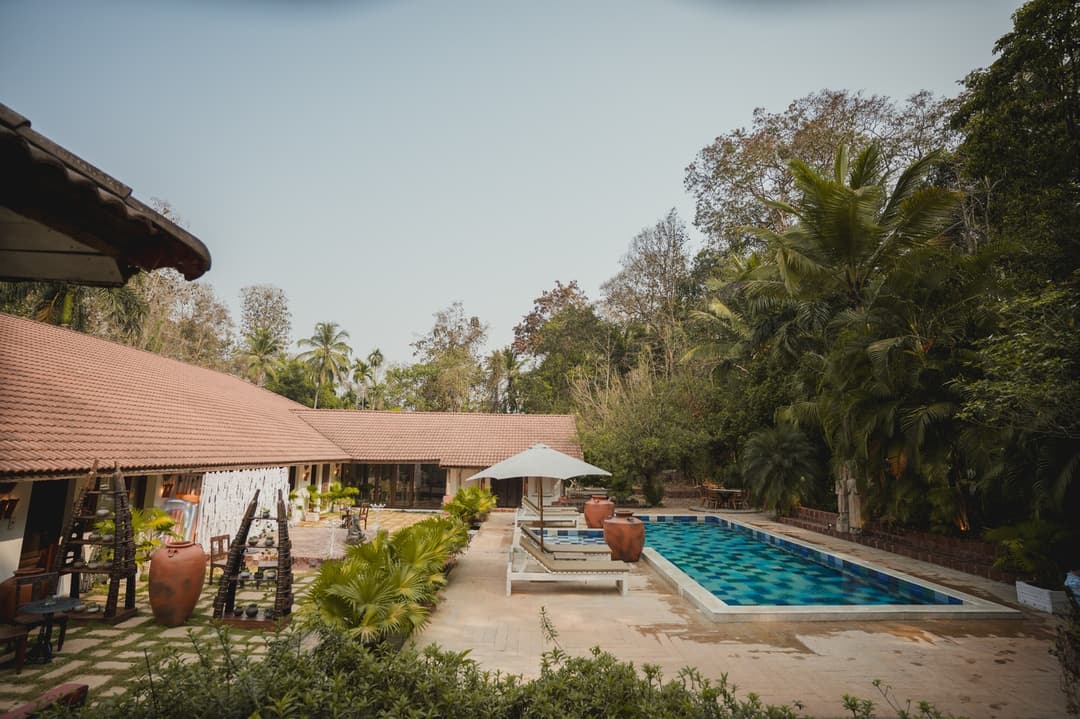
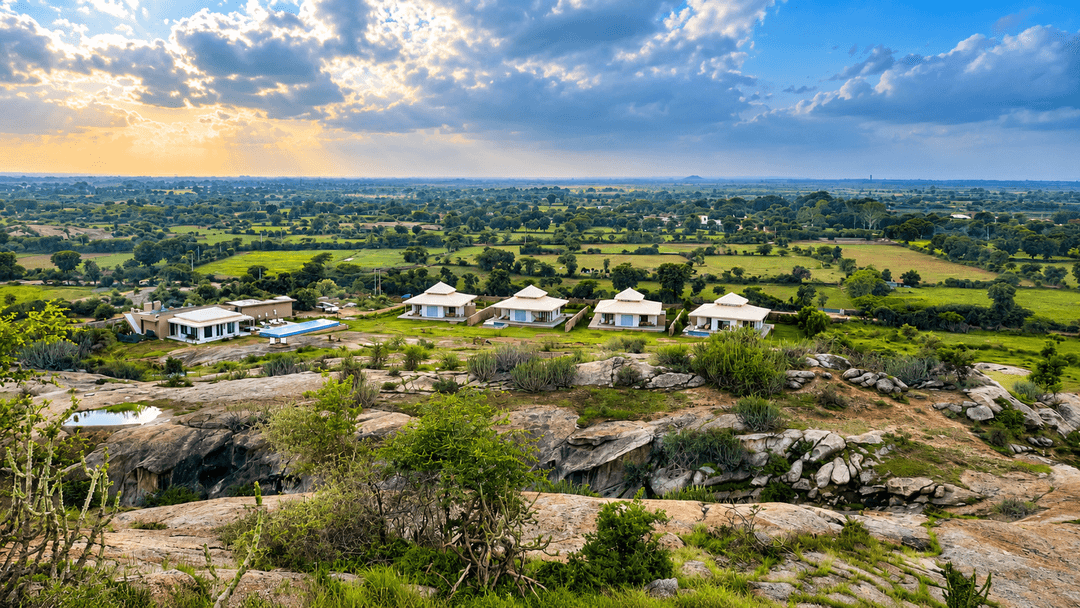
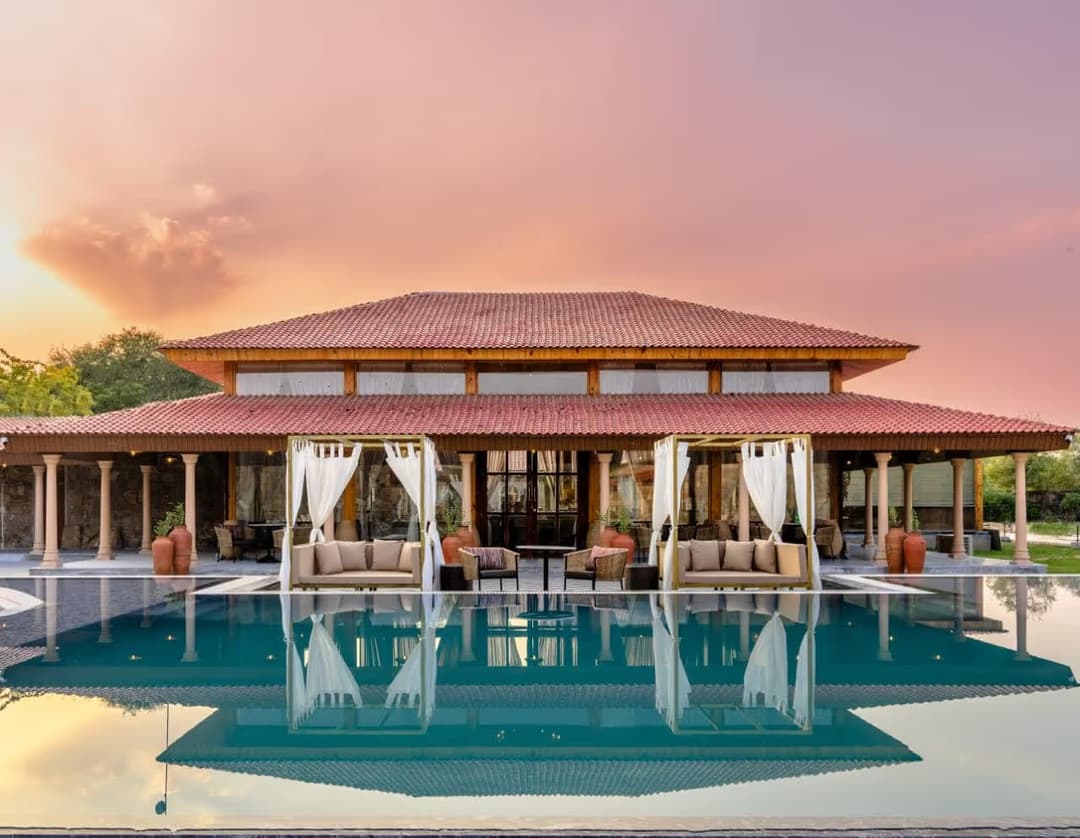
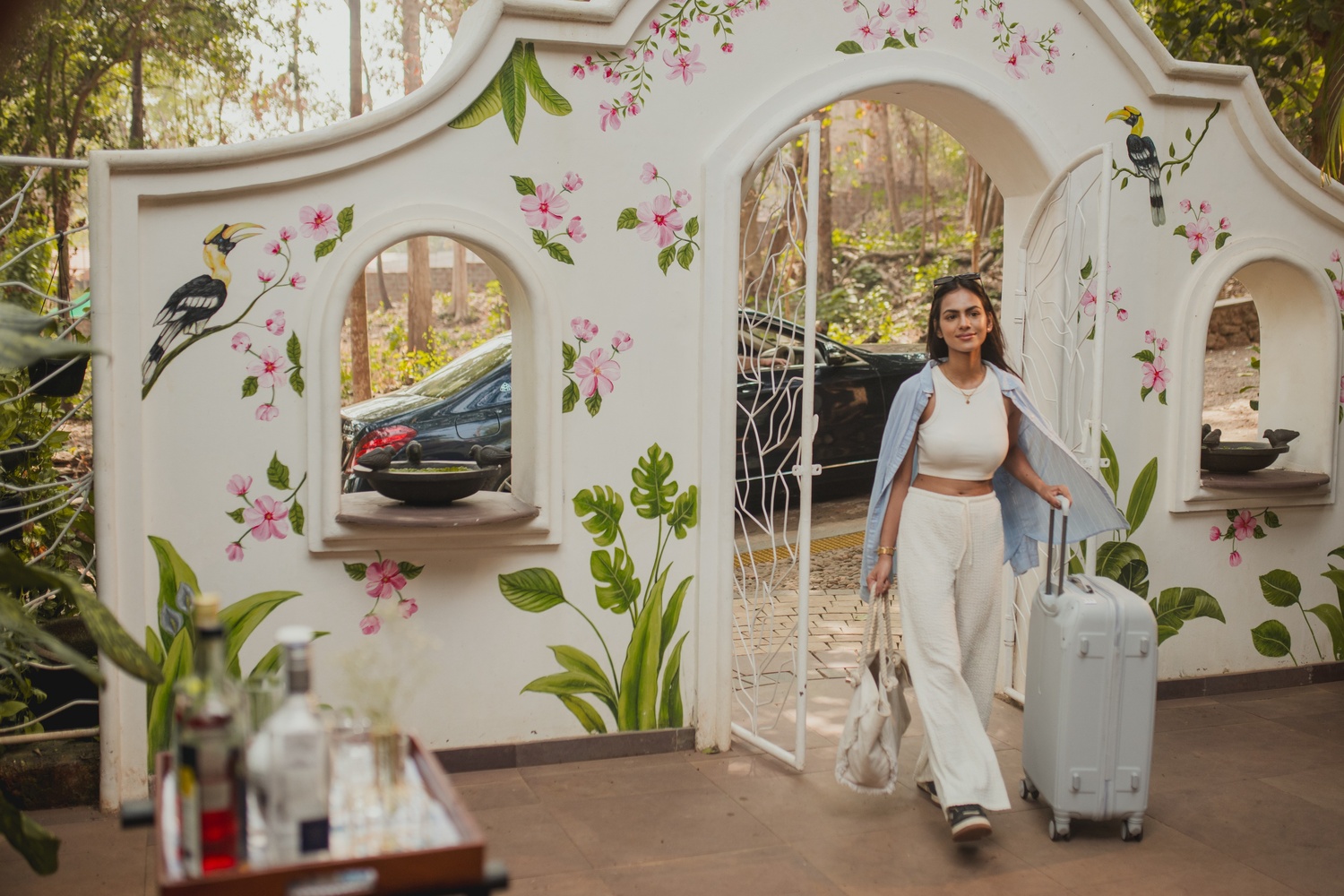
Brij Paraiso, Saligao is the kind of place you choose when you want to experience North Goa beyond its beaches. Hidden within the quiet village of Saligao, this restored garden villa is surrounded by bougainvillea-lined walls, lush greenery, and the slow rhythm of Goan village life. The property has just nine thoughtfully designed rooms, each named after a charming inland village of Goa, including Aldona, Moira, Parra, and Sangolda. Depending on your stay, you can choose from cosy rooms to spacious suites with private terraces, garden views, forest-facing windows, or refreshing outdoor showers by the pool. A central swimming pool, all-day dining, a bar, complimentary breakfast, free Wi-Fi, and warm, personalised hospitality make it a comfortable base for travellers looking to explore Goa's heritage, culture, and local experiences at an unhurried pace.