How to Choose the Right Hotel for a Bandhavgarh Wildlife Holiday
15-09-2026
Table of Contents
- 1. Why Bandhavgarh Rewards the Guest Who Plans the Stay Carefully
- 2. What the Bandhavgarh Tiger Safari Actually Requires
- 3. What Makes the Location Decision Critical
- 4. What to Look Before making the reservation in Bandhavgarh Hotels
- 5. What to Do More Beyond the Morning Safari
- 6. Brij Sone Bagh
- 7. FAQs
Why Bandhavgarh Rewards the Guest Who Plans the Stay Carefully
Bandhavgarh has one of the highest tiger densities of any national park in India. That sentence is the reason most people go and the reason the safari permit fills up weeks in advance during peak season. But the tiger sighting that most guests describe as the trip's defining moment isn't just about the park. It's about the morning, the 5 am departure, the particular guide who knows which part of the Tala zone the resident tigress has been using, the jeep positioned correctly before the light changes. And all of that starts with where you're staying and who is managing the logistics from the hotel side.
The hotels in Bandhavgarh that understand what the wildlife holiday requires and build their operations around it are the properties that produce those mornings. The ones that treat the safari as an excursion the guest arranges independently are the ones that produce the morning where the permit was booked for the wrong zone at the wrong time.
What the Bandhavgarh Tiger Safari Actually Requires
The Bandhavgarh National Park divides into safari zones, Tala, Magdhi, and Khitauli are the main ones, with Tala carrying the highest tiger density and consequently the most competitive permit allocation. Permits are booked online through the Madhya Pradesh forest department portal and the Tala zone morning slots fill significantly faster than most first-timers anticipate.
The safari runs in two daily slots, morning from approximately 6 am to 11 am and afternoon from 3 pm to 6 pm (timings vary seasonally). The morning slot is the one worth prioritising for tiger sightings, the cats are active before the heat builds and the territorial marking and hunting behaviour that produces the memorable encounter happens in the first two hours of light.
A good naturalist or guide is worth more than any other variable in the Bandhavgarh safari equation. The guide who knows the individual tigers by territory, by recent movement, by the prey species that indicate where the predator is likely to be, this knowledge is what separates the sighting from the near-miss.
What Makes the Location Decision Critical
Proximity to the Tala zone gate is the specific advantage that makes certain hotels in Bandhavgarh worth more than others regardless of the room quality. The safari departure at 5:30 am from a hotel 10 minutes from the gate is a different experience from the same departure from a hotel 45 minutes away. In practical terms, the closer property means an earlier alarm for a shorter drive, but at 5 am the trade feels significant in one direction and invisible in the other.
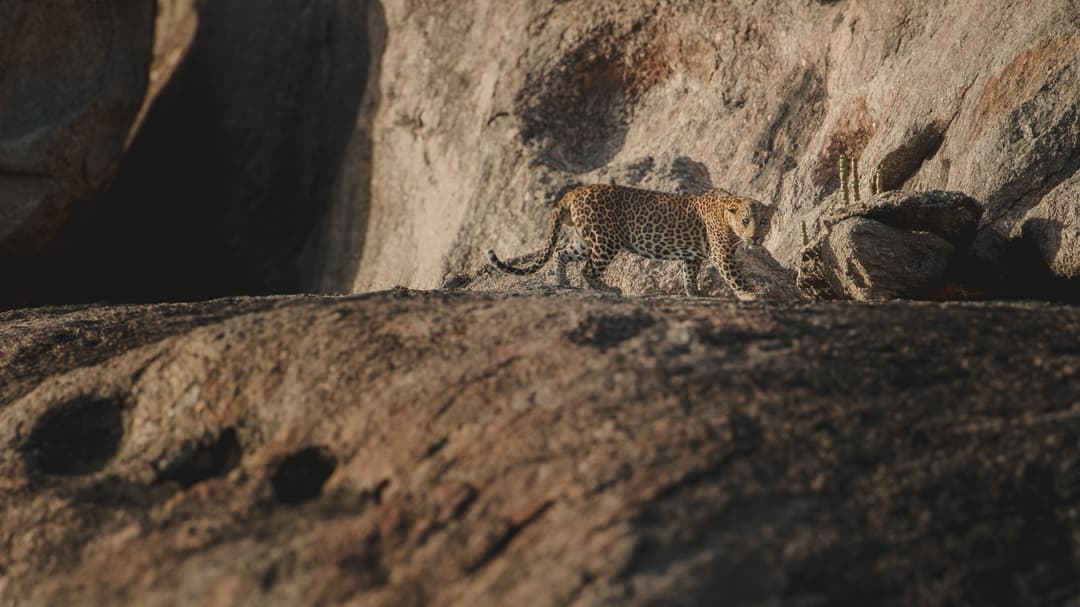
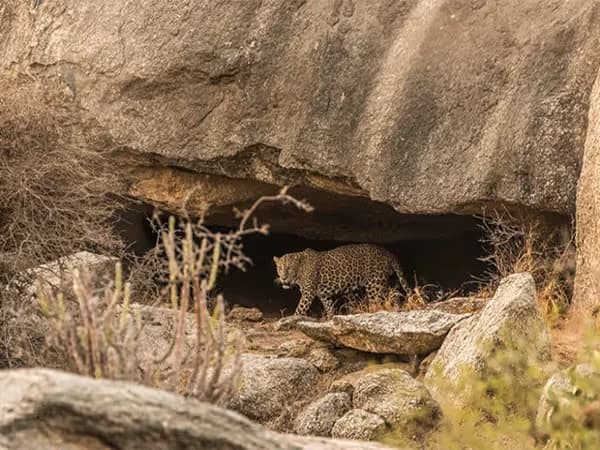
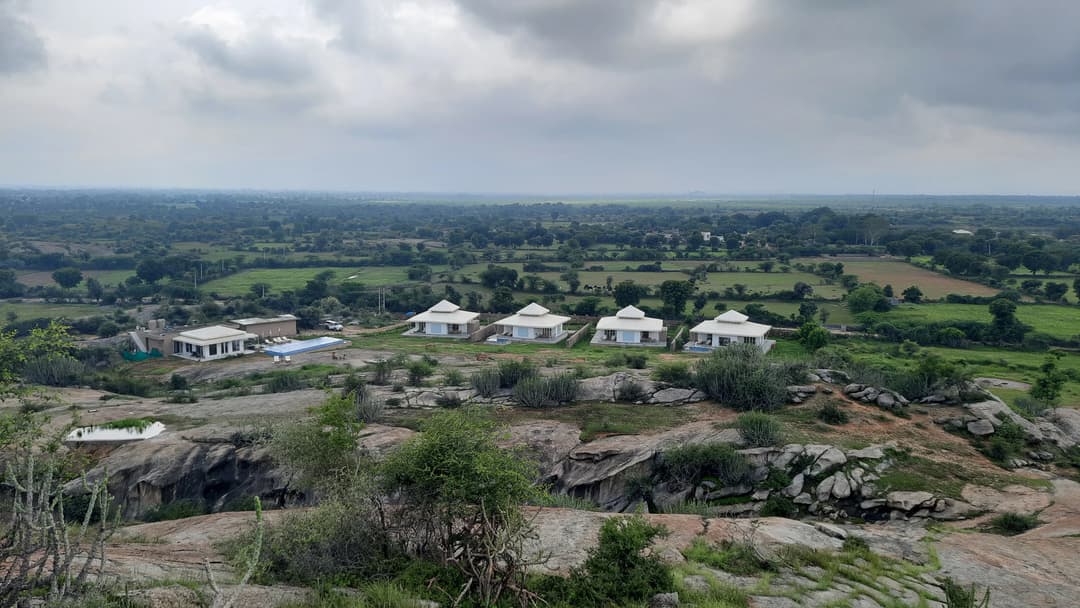
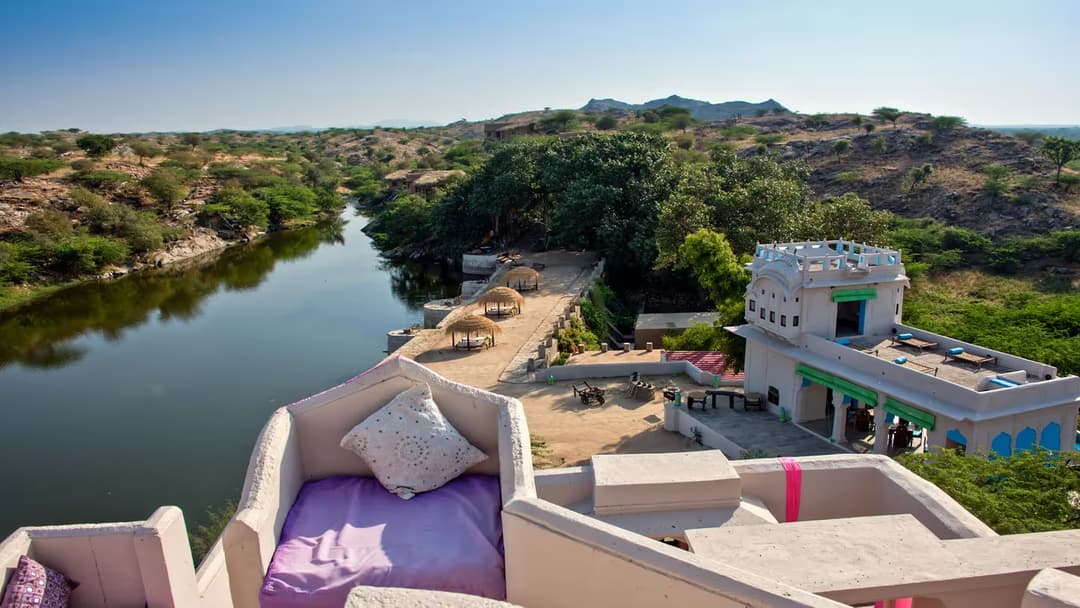
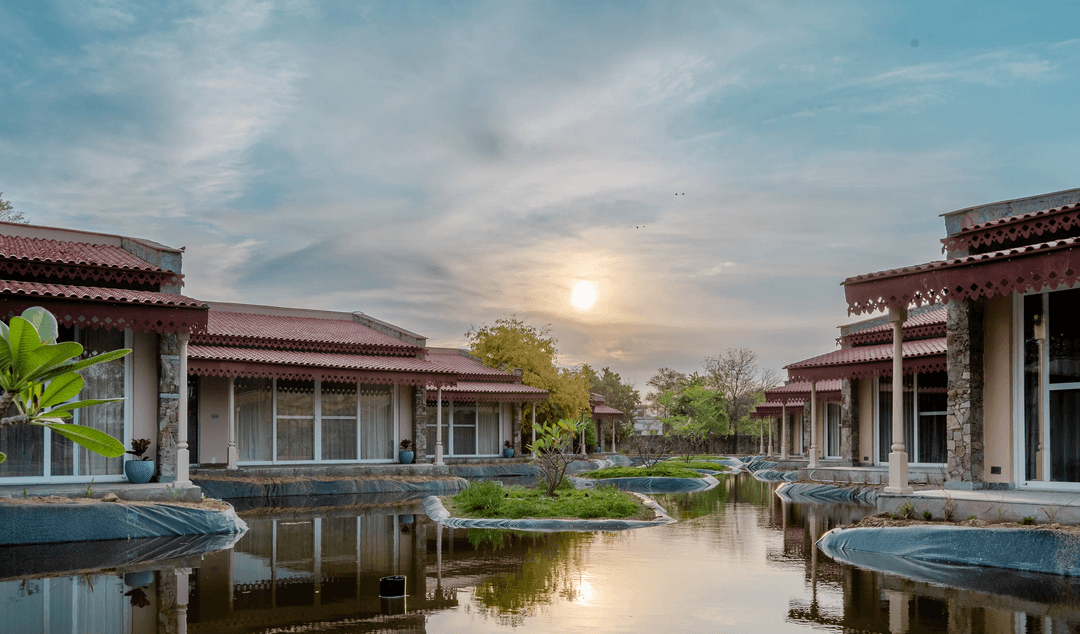
The hotels in Bandhavgarh in the Tala village area and the forest periphery have the specific advantage of proximity and the additional quality of sitting inside the buffer landscape rather than in the town. The leopard spotted on the road to the gate. The deer visible from the property at dusk. The birdlife in the morning before the safari leaves. These are the experiences that the centrally located Bandhavgarh hotel produces and that the distant property doesn't.
What to Look Before making the reservation in Bandhavgarh Hotels
The safari permit and naturalist arrangement handled through the hotel. The Bandhavgarh hotels worth choosing manage this as a core service rather than a guest-managed add-on. The property that books your zone, handles the permit, assigns the naturalist, and gets the vehicle to the gate at the right time is the one that makes the wildlife holiday work.
The kitchen running at safari hours. Pre-dawn breakfast before the morning slot. Post-safari lunch at 11 am when the appetite is real and the restaurant is supposed to be open. The late afternoon meal before the evening slot. These are the three specific meals that the Bandhavgarh stay requires and that the wildlife property's kitchen should cover without a conversation.
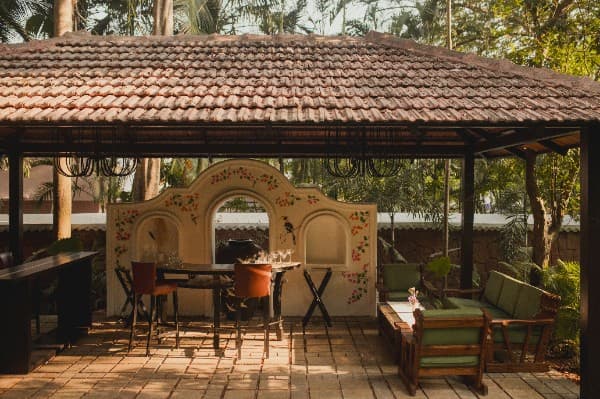
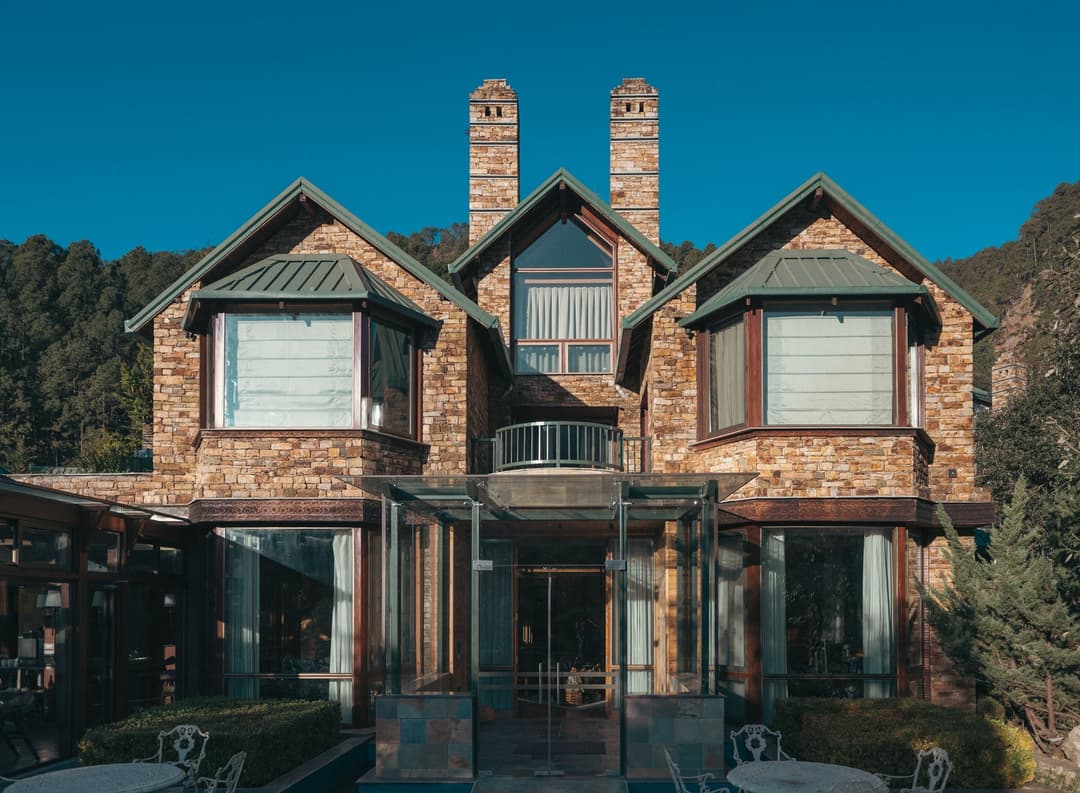
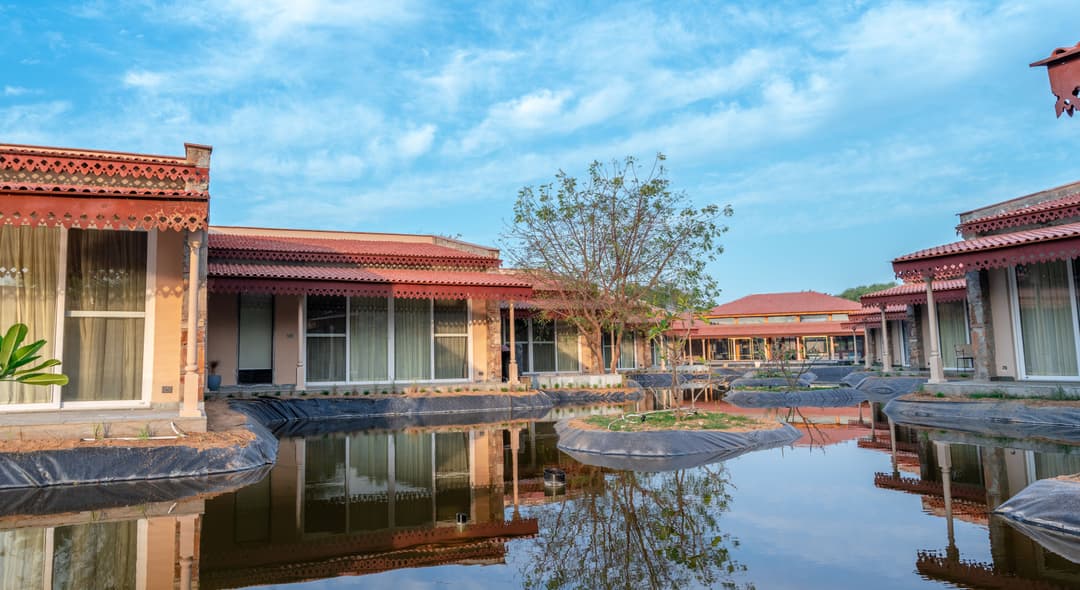
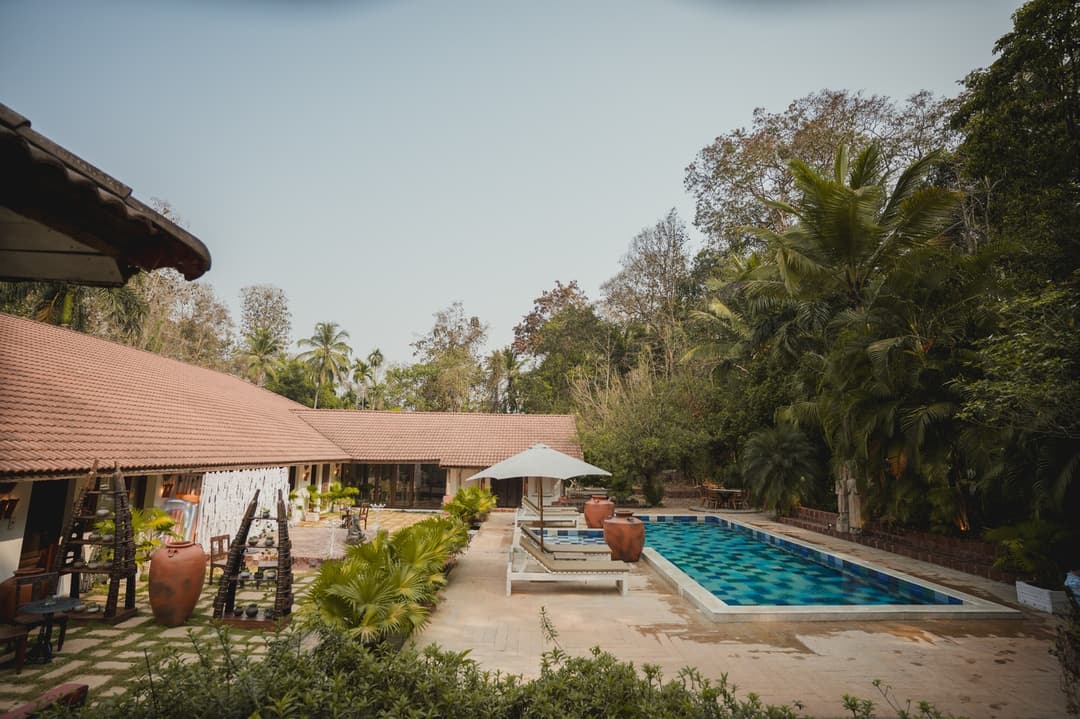
The room facing the forest or the garden. Hotels in Bandhavgarh that position the accommodation within the landscape, the view of the forest from the room, the sounds of the buffer zone at night, give the wildlife holiday its atmosphere between the safaris. The room facing the car park and the highway is a different product in the same postcode.
What to Do More Beyond the Morning Safari
The afternoon safari covers different activity from the morning, the light is different, the predator behaviour shifts, and species that were absent in the morning are visible in the late afternoon. Two safaris per day is the standard allocation and both are worth using.
The Bandhavgarh Fort, the ancient fort within the park that the wildlife management allows access to during the safari circuit, adds the heritage dimension to the wildlife day. The fort dates back several centuries and the view from the ramparts over the forest is the specific Bandhavgarh landscape photograph that the tiger focus occasionally overshadows.
The village walk in the buffer zone for the cultural layer the safari doesn't provide, the local communities, the agricultural life, the specific relationship between the forest and the people who live alongside it. The hotels in Bandhavgarh that arrange this through a local guide give the trip a dimension the wildlife-only itinerary misses.
Brij Sone Bagh, Bandhavgarh
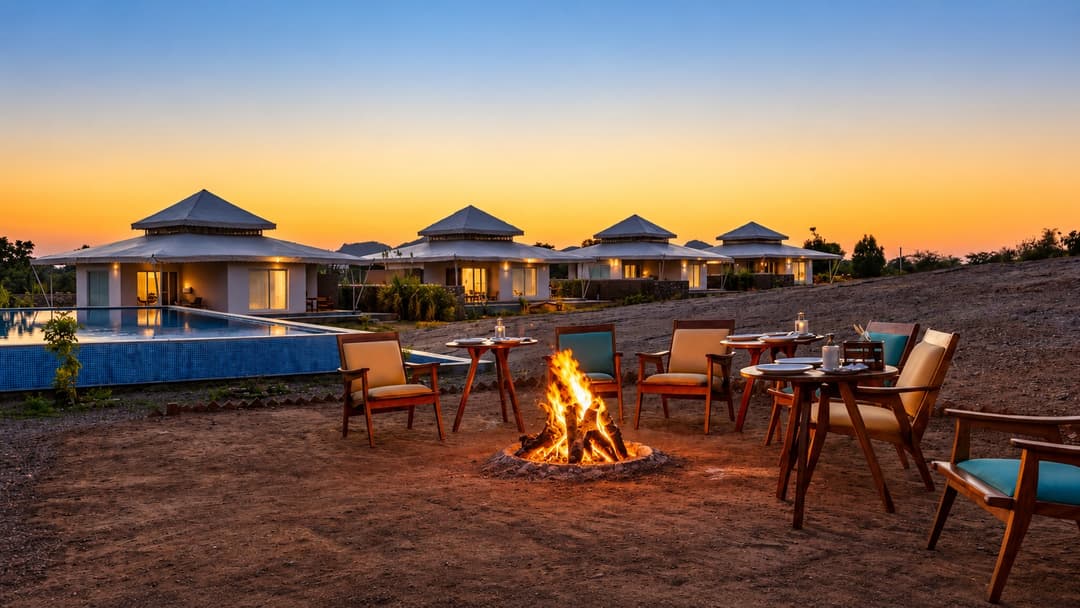
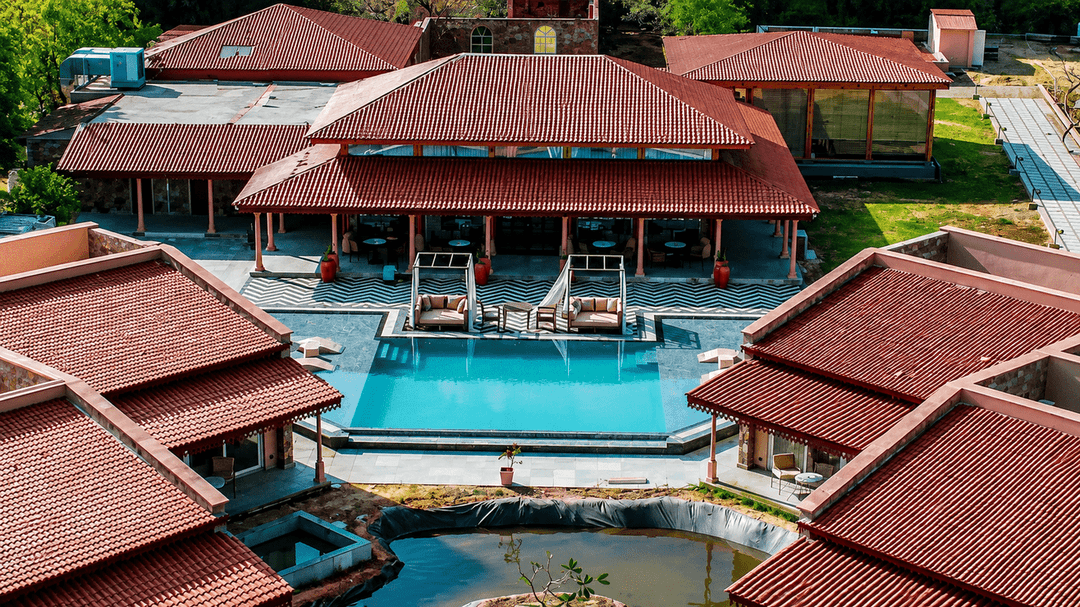
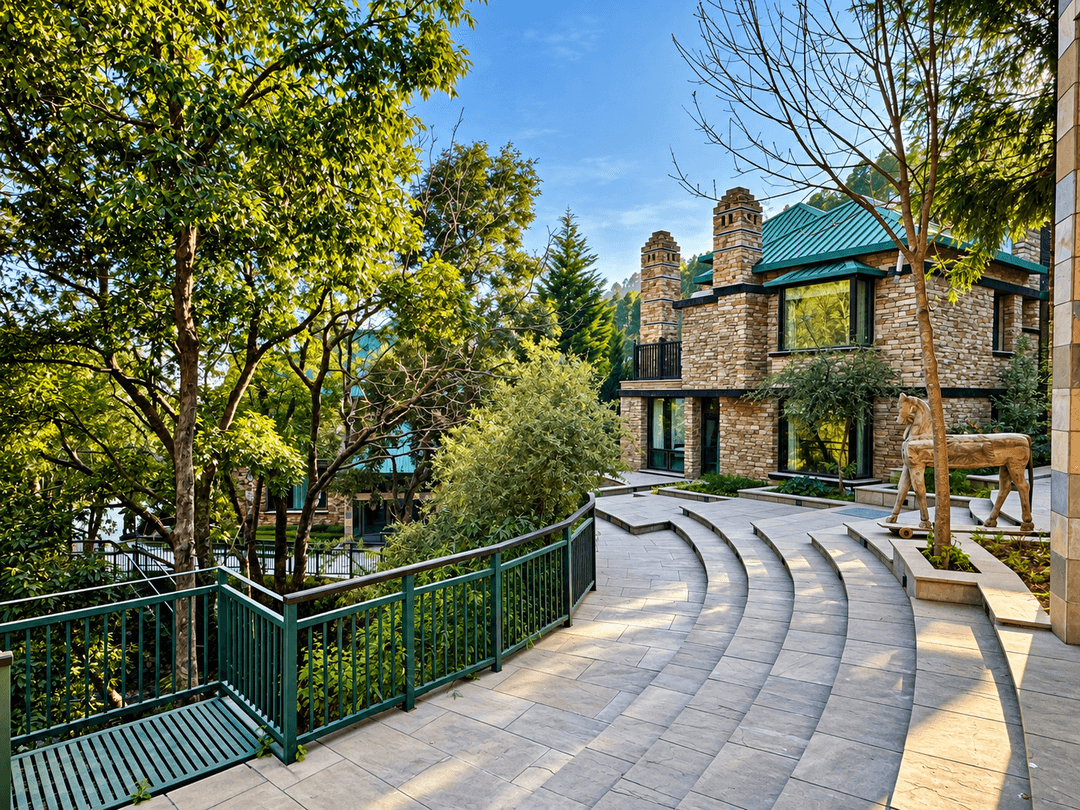
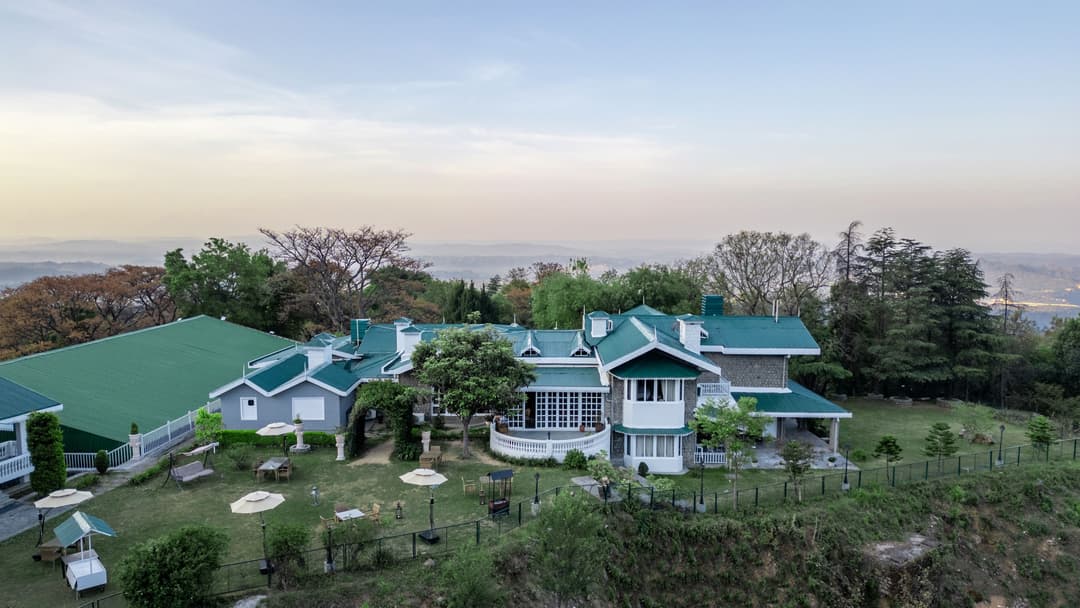
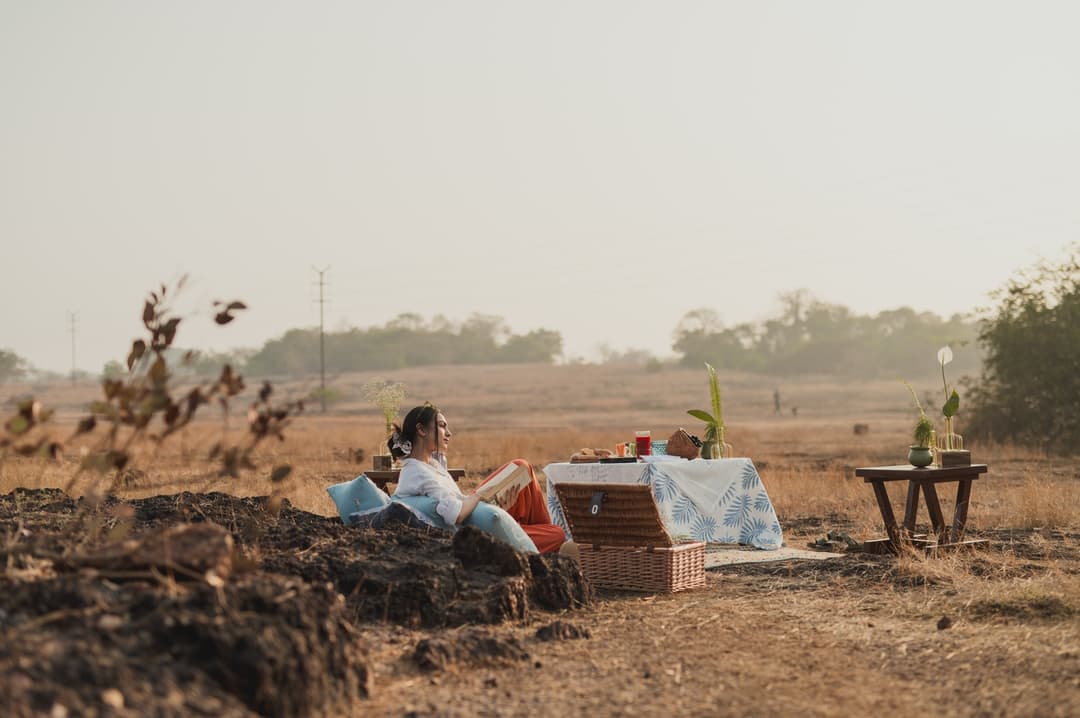
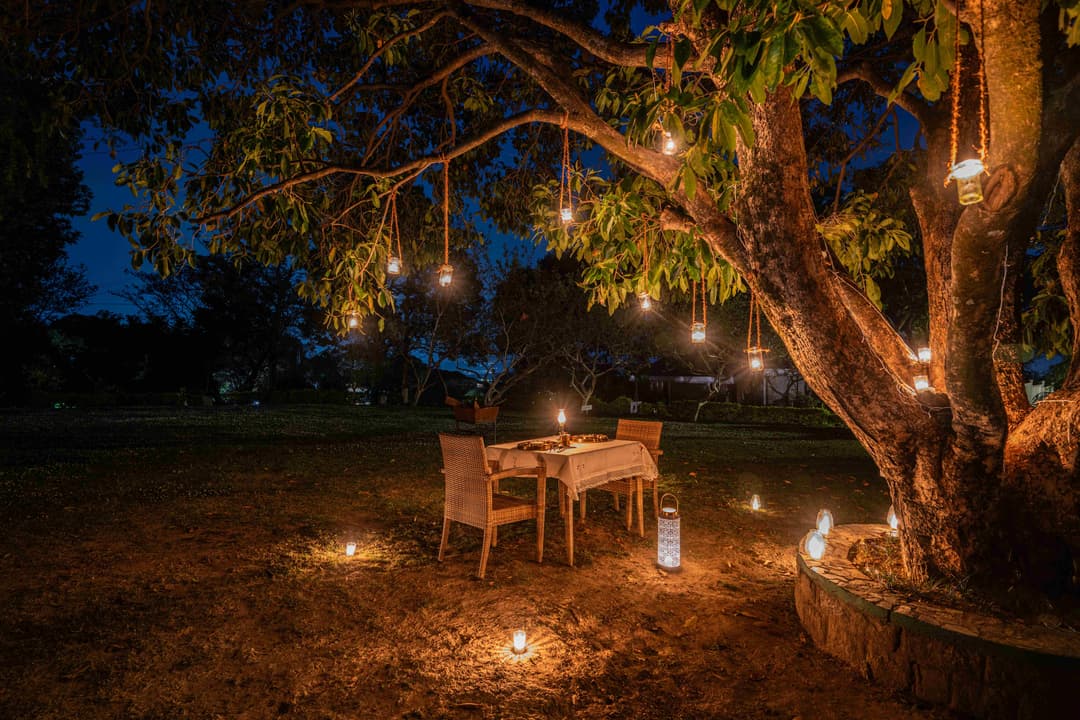
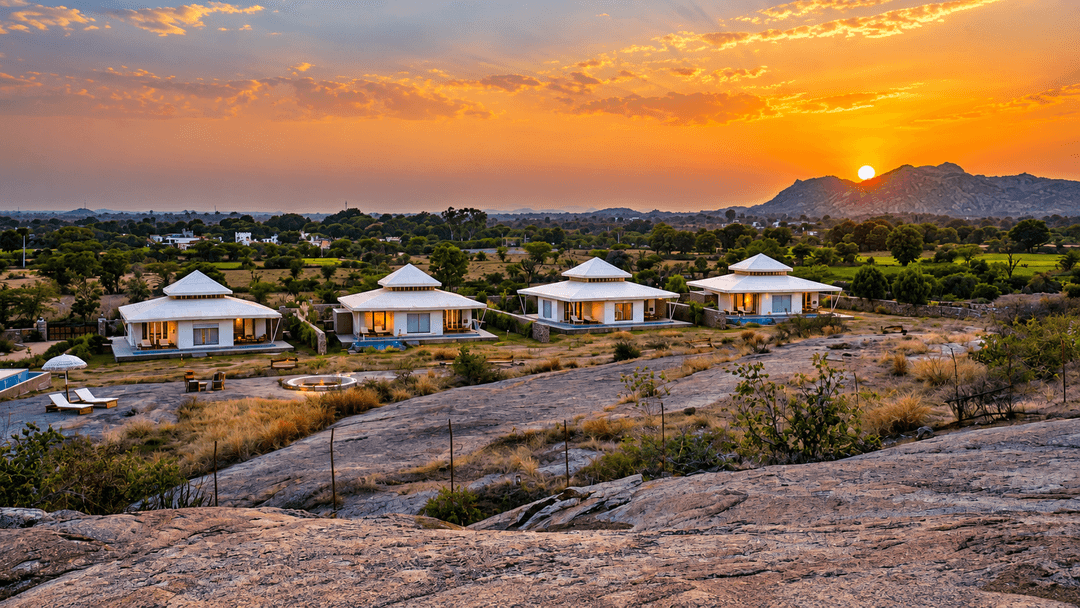
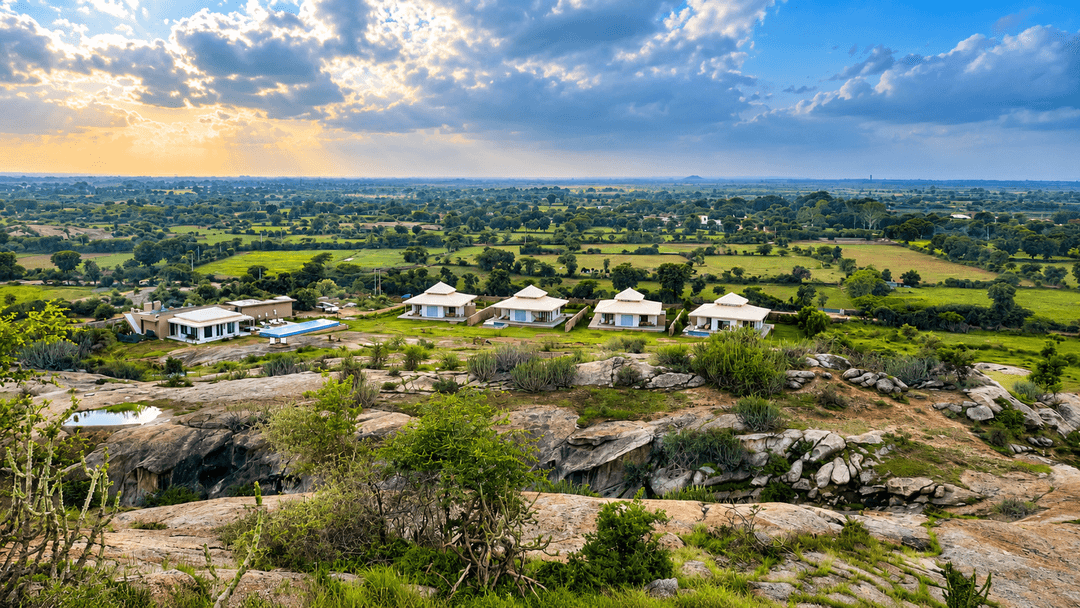
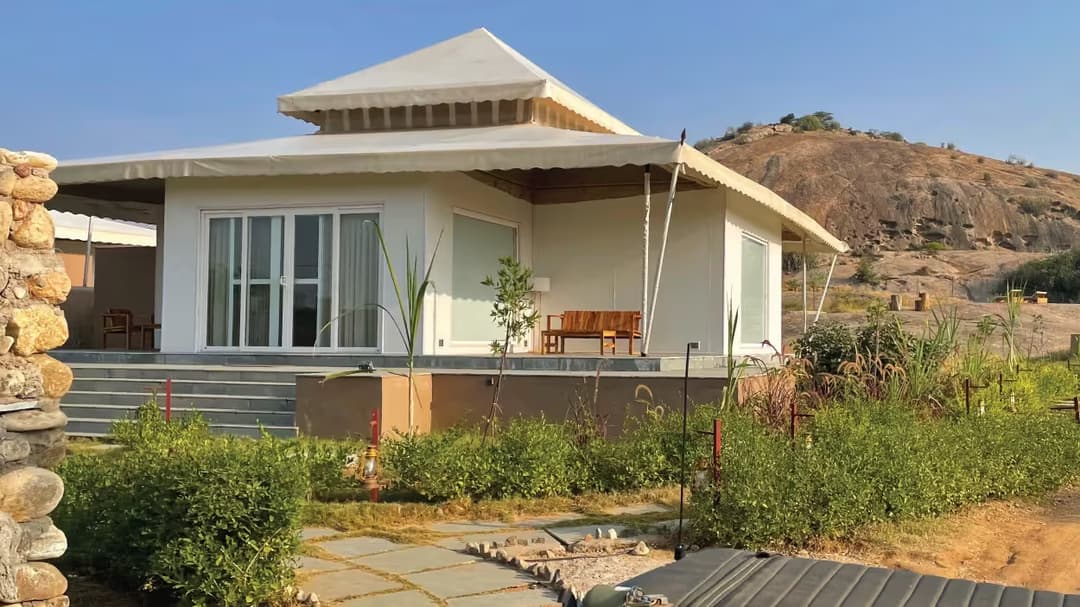
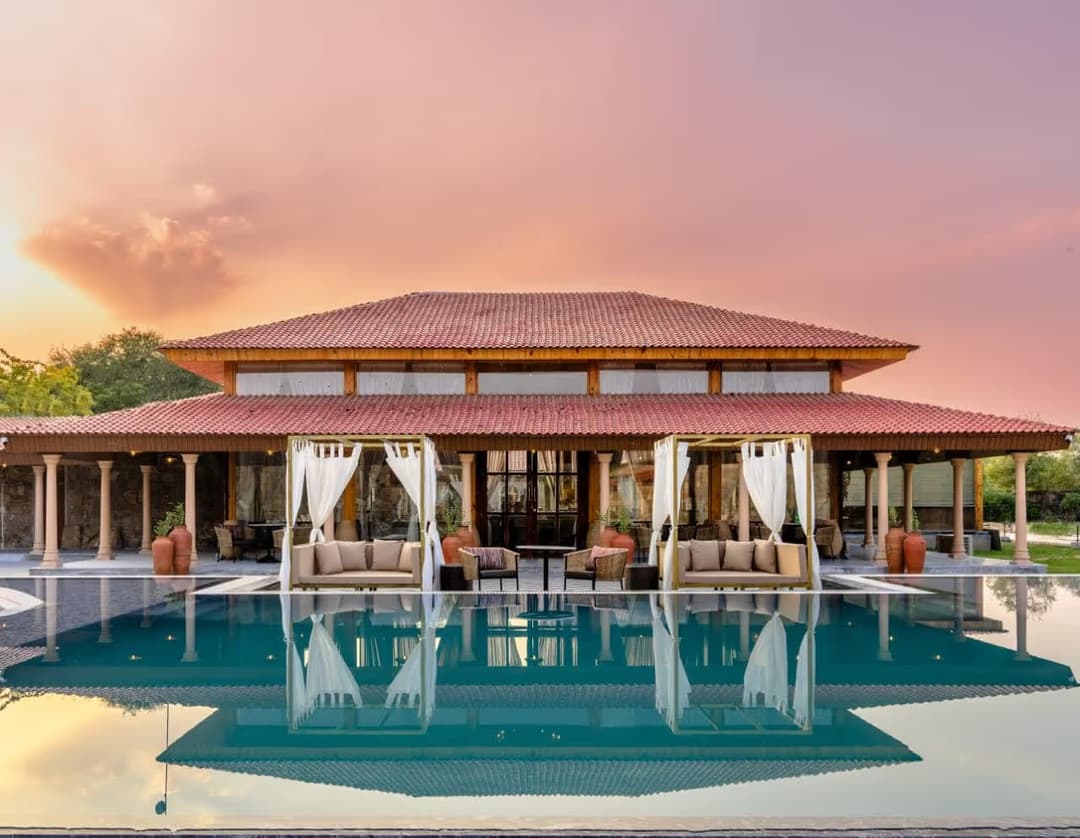
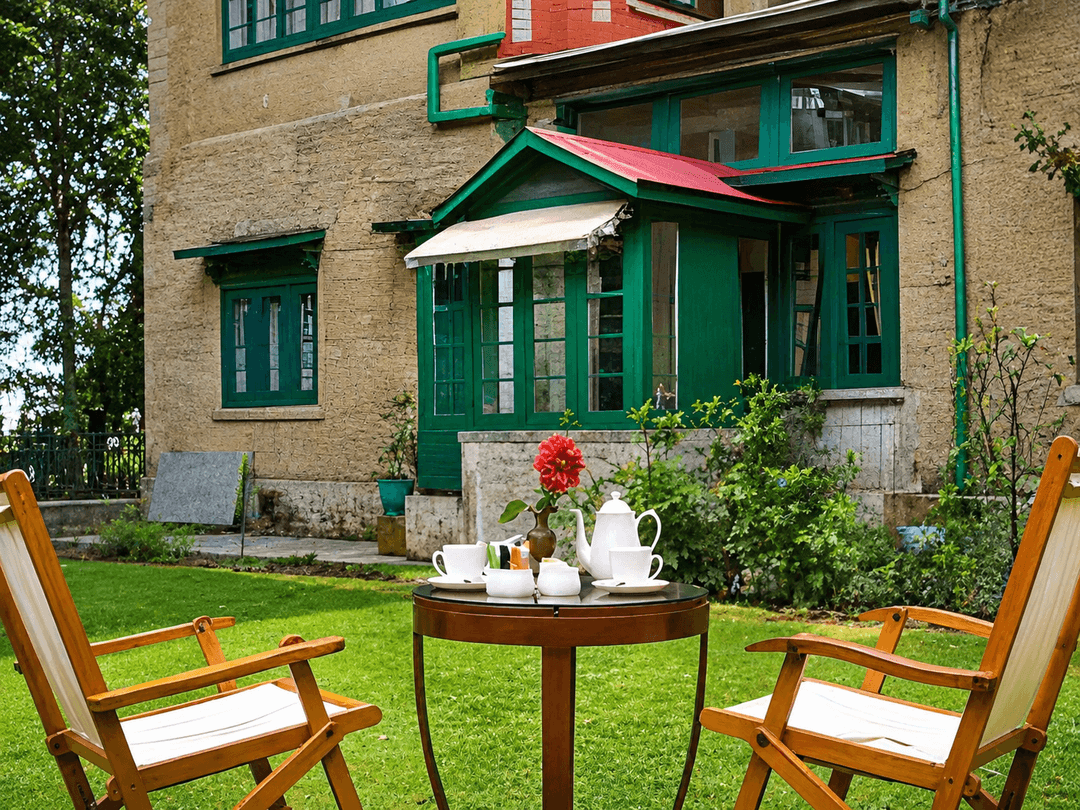
For hotels in Bandhavgarh that deliver the safari, the naturalist, the forest setting, and the Brij Hotels hospitality standard in the same address, Brij Sone Bagh is genuinely worth getting excited about. Bandhavgarh hotels at the level where the morning begins properly and the evening ends with something worth coming back to, the property positioned in the forest periphery, the safari logistics managed as the core service, and the specific warmth of a wildlife stay that was designed around where it sits. The Bandhavgarh wildlife holiday that earns the journey.
FAQs
1. When is the best time to visit Bandhavgarh for tiger sightings?
October through June is the park season. November through March gives comfortable temperatures and active tiger sightings. April through June is hot but the tigers concentrate near water sources, making sightings more reliable, this is when the most consistent sightings are reported. The park closes from approximately July through September for the monsoon.
2. How do I book a Bandhavgarh safari permit?
Through the Madhya Pradesh forest department online portal, mpforest.gov.in. The Tala zone morning slots fill fastest and should be booked as soon as the booking window opens, typically 90 days in advance for the peak season. Hotels in Bandhavgarh with a dedicated safari desk can guide the booking process and sometimes have access to last-minute permit availability.
3. How many safaris should I plan for a Bandhavgarh trip?
Minimum four safaris, two days with morning and afternoon slots each. Three days with six safaris is better, particularly in peak season when the tiger sighting is more dependent on patience than timing. The serious wildlife photographer typically stays five to seven days.
4. What is the Tala zone and why is it the most sought-after?
Tala is the core zone of Bandhavgarh National Park with the highest tiger density and the most established territorial ranges of the resident tigresses and their cubs. The history of tiger sightings in Tala is significantly higher than Magdhi and Khitauli. Most hotels in Bandhavgarh are closest to Tala gate for this reason.
5. Is Bandhavgarh suitable for first-time wildlife travellers?
Yes, the tiger density makes Bandhavgarh one of the most productive first wildlife destinations in India. The infrastructure of the safari system, the established naturalist community, and the relatively compact size of the Tala zone compared to larger reserves like Kanha or Pench make the sighting probability here among the highest of any tiger reserve in the country.