What to Expect From a Luxury Heritage Hotel Stay in Rural Rajasthan
07-09-2026
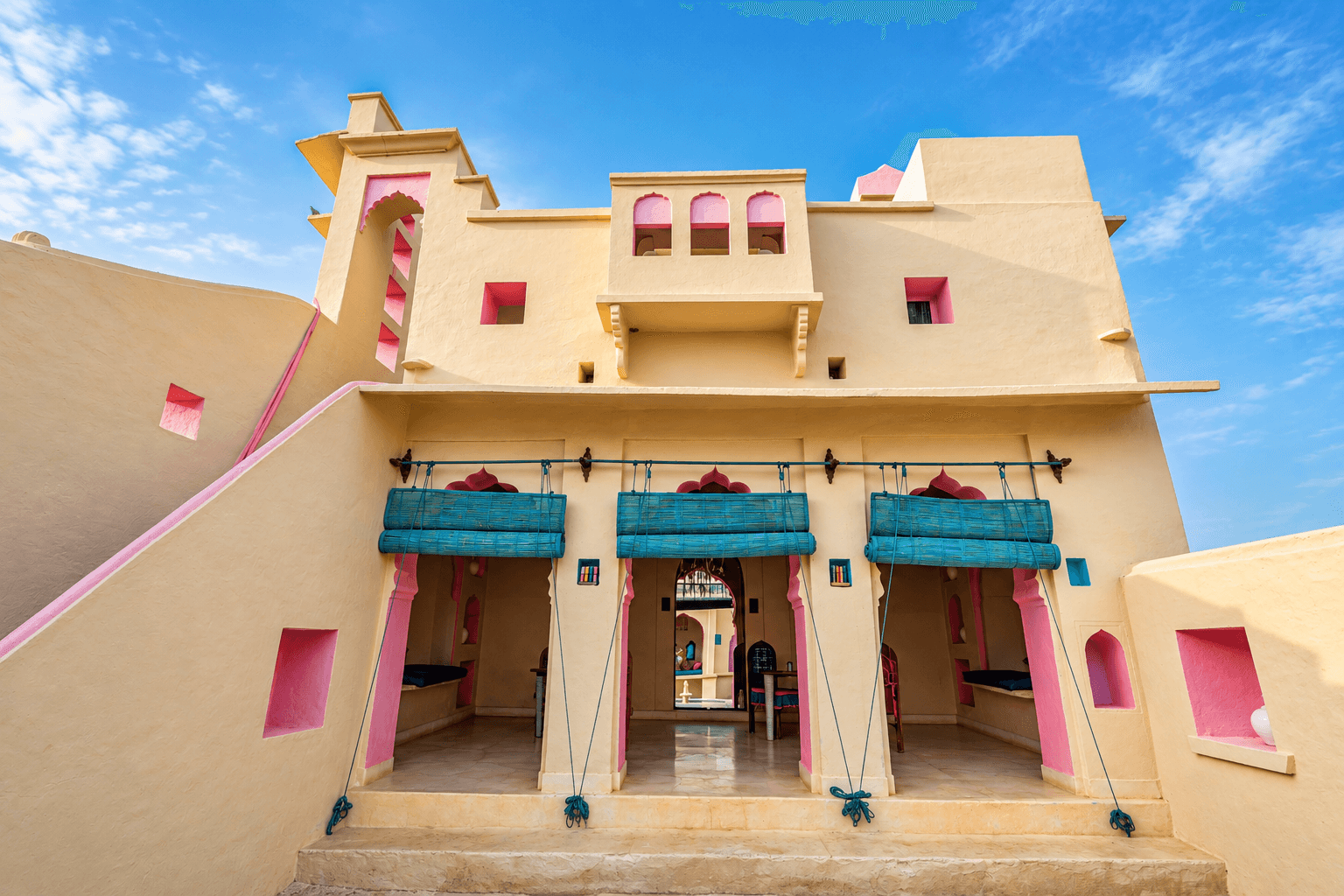
Table of Contents
- 1. Why Rural Rajasthan Hits Differently From the City Circuit
- 2. What Luxury Heritage Hotels Rajasthan Actually Offer
- 3. The Architecture: Why the Building Is the Experience
- 4. Heritage Hotels in Rajasthan: The Food That Belongs to the Landscape
- 5. What to Do When the Property Is the Destination
- 6. Brij Lakshman Sagar
- 7. FAQs
Why Rural Rajasthan Hits Differently From the City Circuit
Most Rajasthan trips run the same route. Jaipur, Jodhpur, Udaipur. The fort, the palace, the lake. These are extraordinary places and they earn the attention they receive. But the version of Rajasthan that stays with you longest is often the one you didn't plan for, the village at dusk when the light goes orange across the desert, the step-well that nobody else stopped at, the meal cooked by someone who learned the recipe from their grandmother rather than a hotel training manual.
Luxury heritage hotels Rajasthan in the rural areas give you this version deliberately rather than accidentally. The properties that sit in the villages and the farmland around Pali, Jodhpur, and the Aravalli foothills, away from the city circuit, inside the landscape that the tourist map usually marks as the space between the attractions, are the ones that change what Rajasthan means to the traveller who has already done the standard circuit.
What Luxury Heritage Hotels Rajasthan Actually Offer
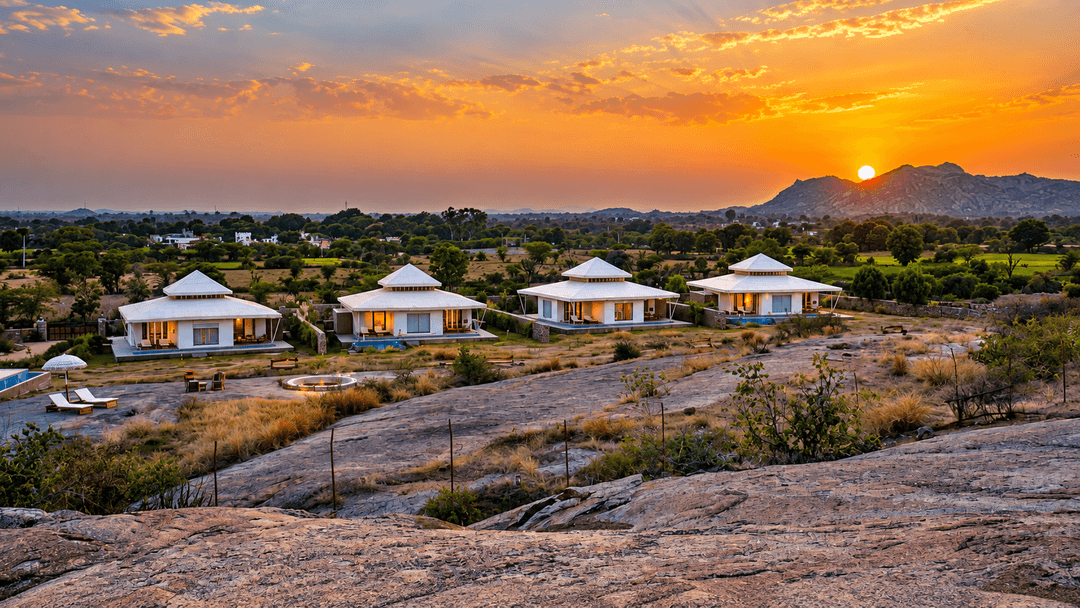
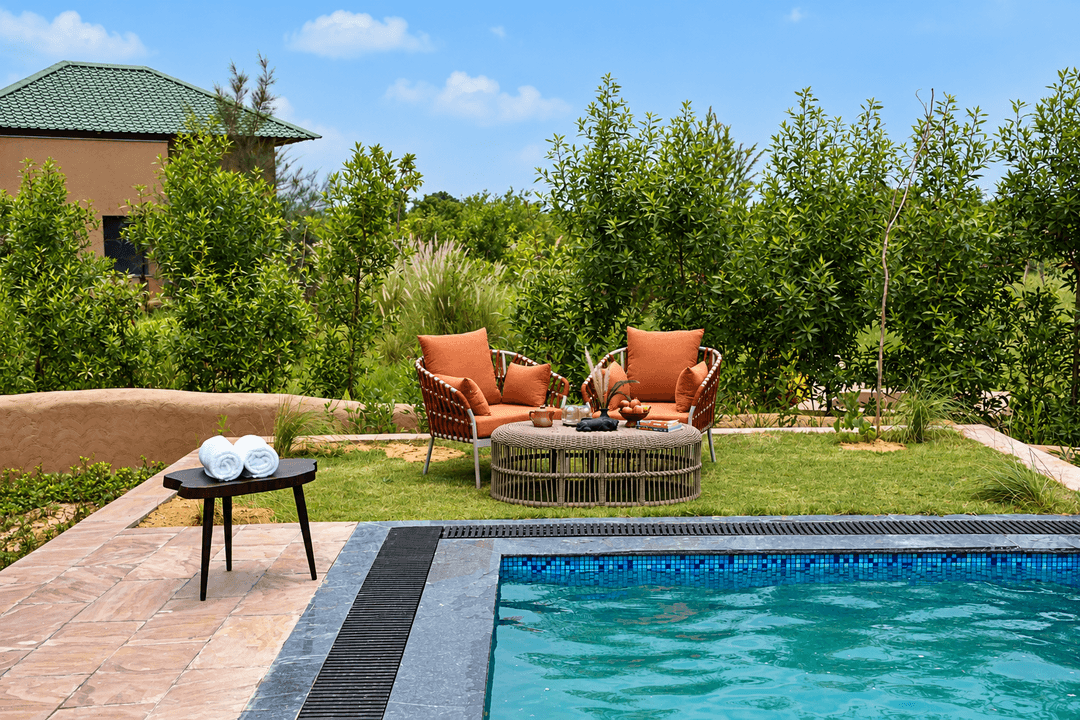
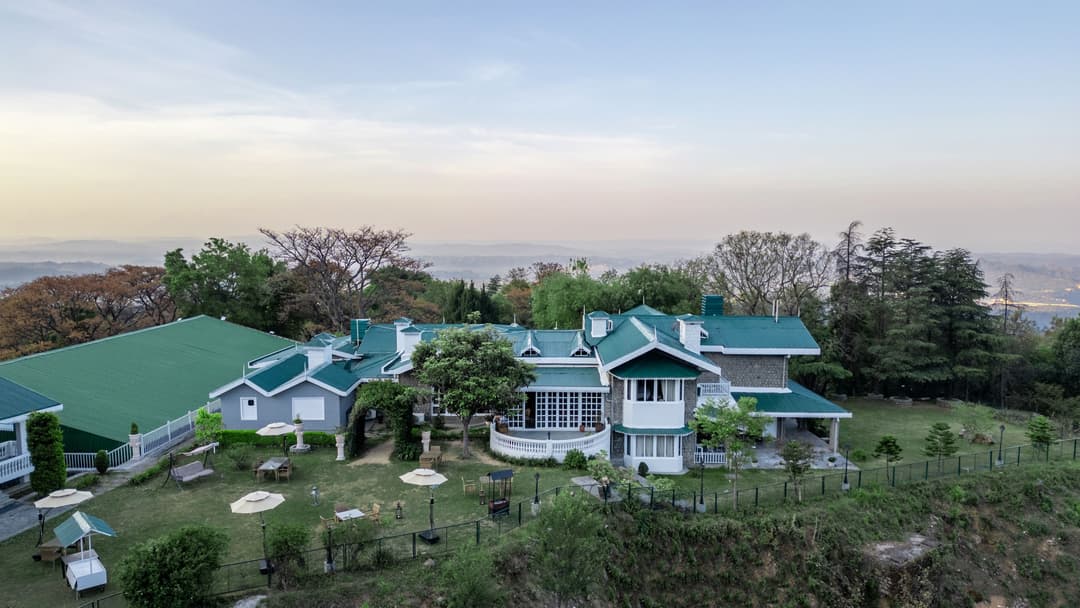
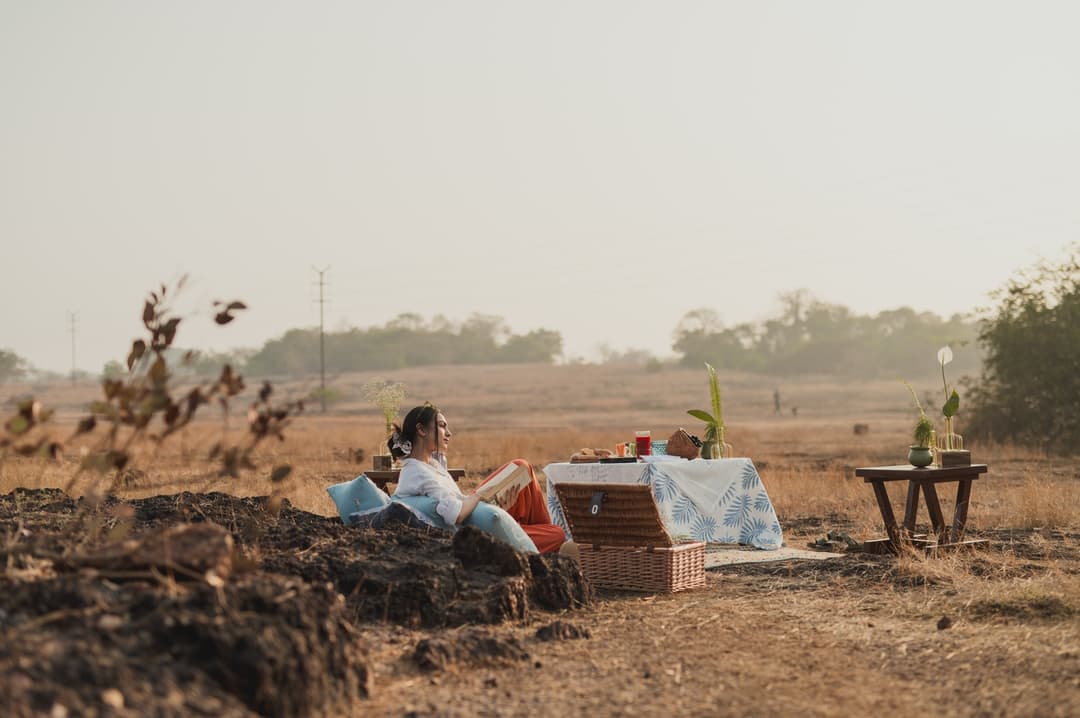
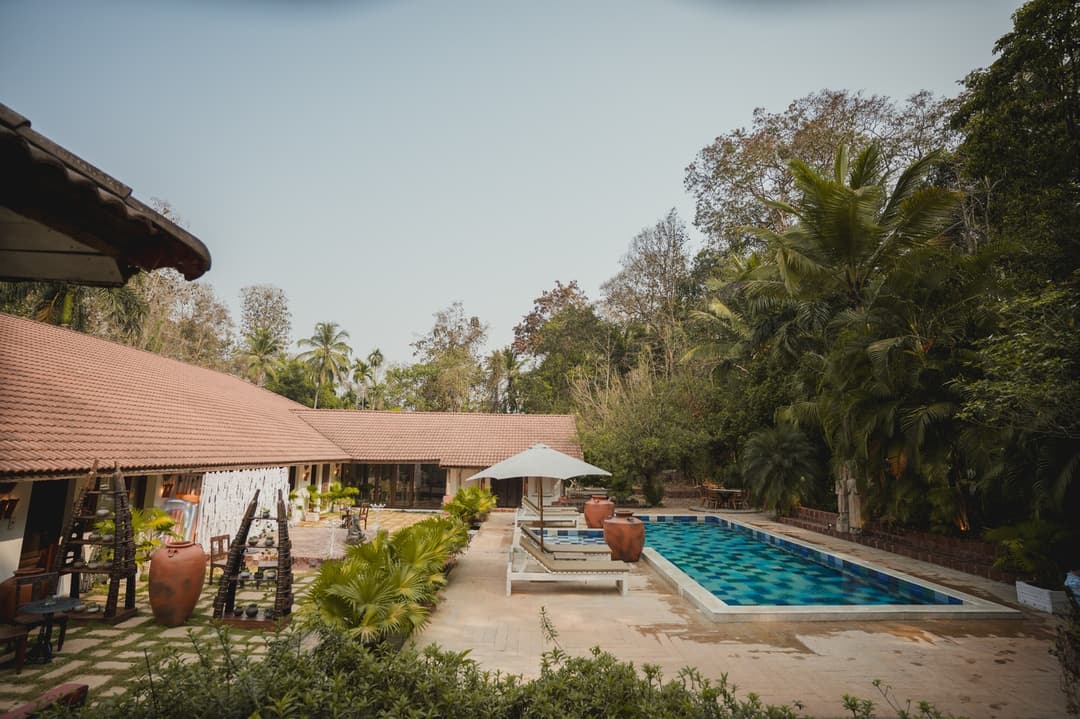
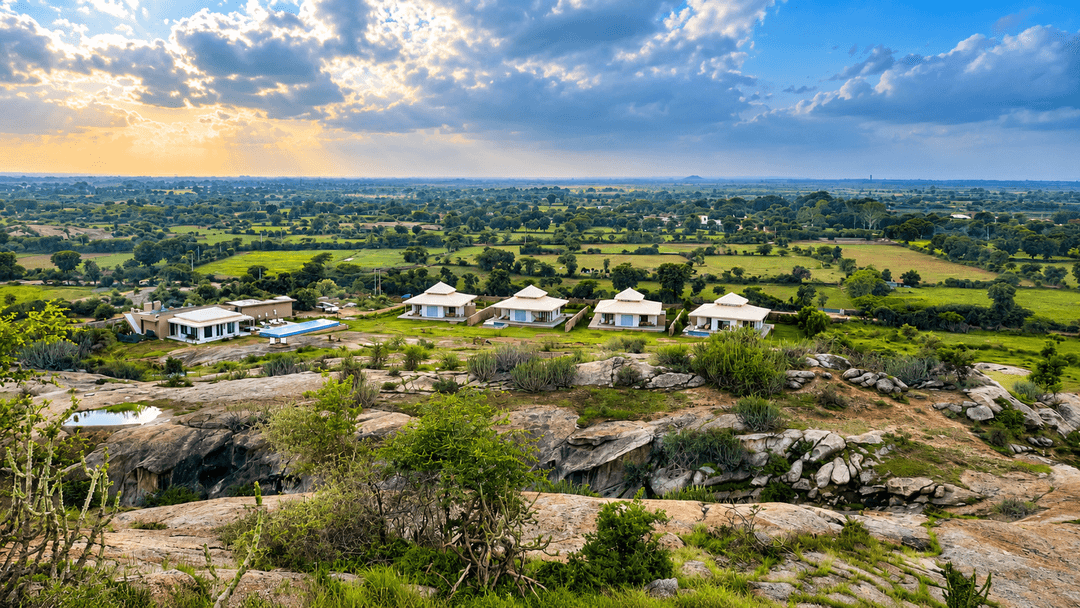
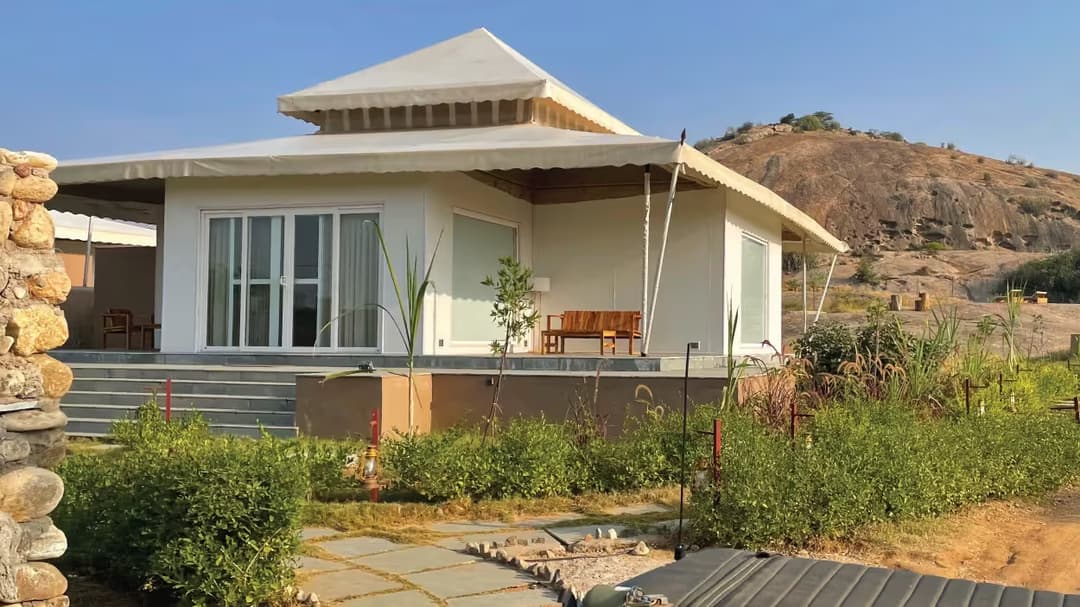
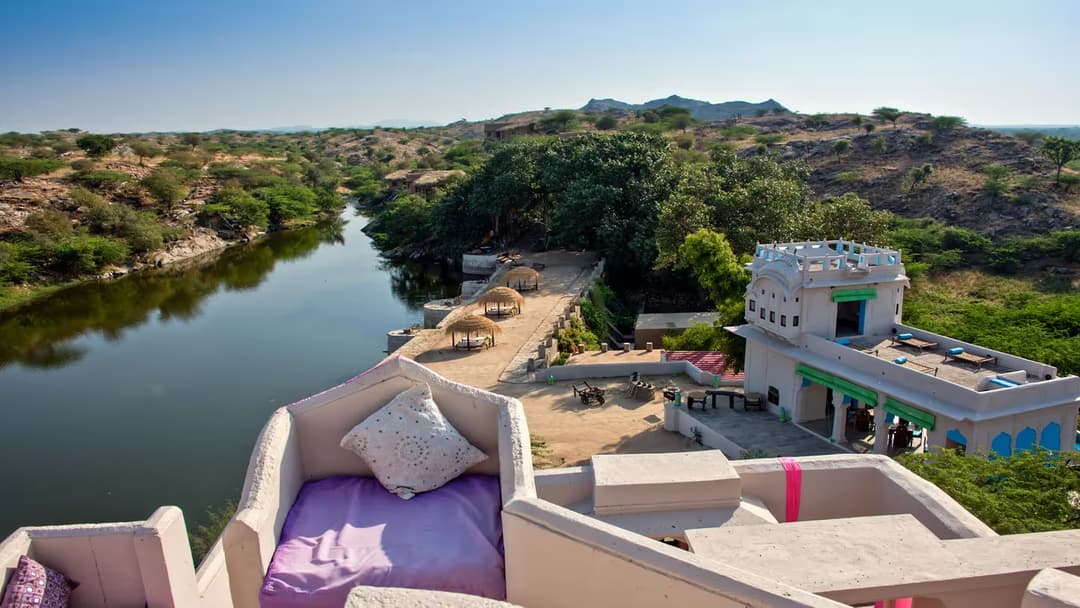
- The first thing is the space: Rural Rajasthan's luxury heritage properties have the land that the city hotels have traded for more rooms, the garden, the lake, the open courtyard, the terrace that faces nothing but the Aravalli or the desert scrub or the reservoir that the property was built beside. Space changes what a morning feels like. The single heritage suite with a private plunge pool looking over a lake is a different thing from the hotel room with the city view, regardless of what both cost.
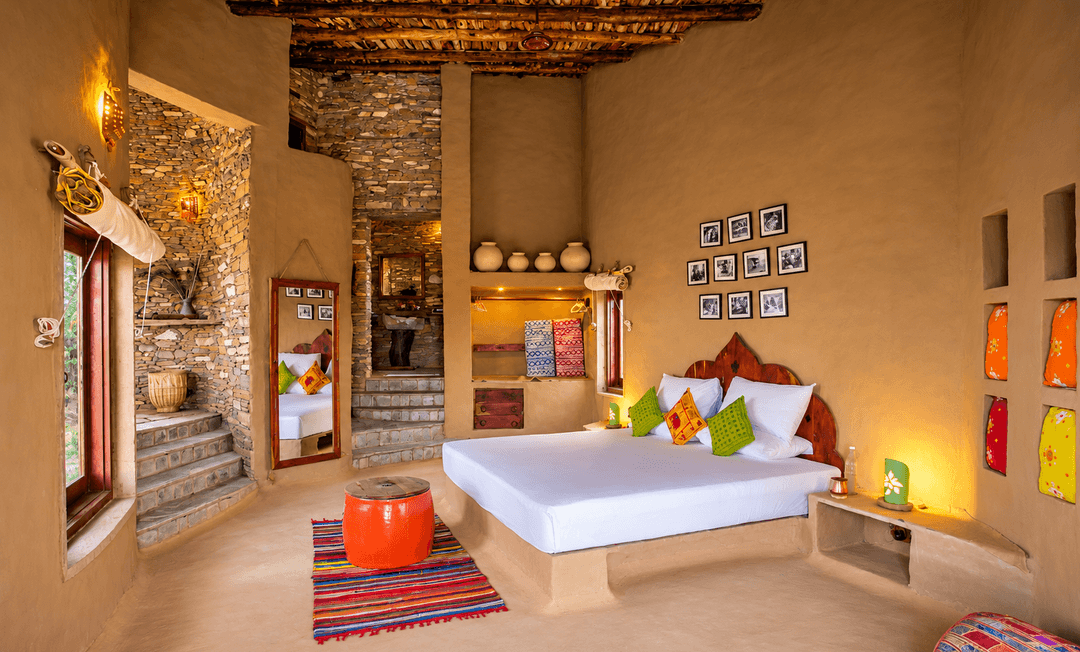
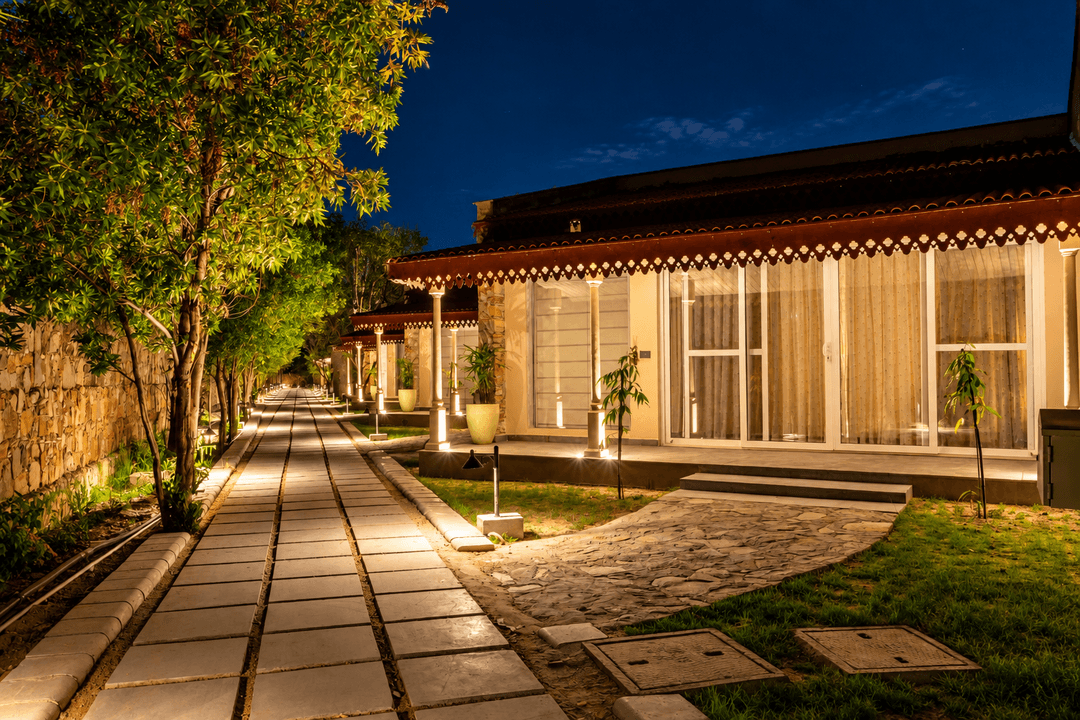
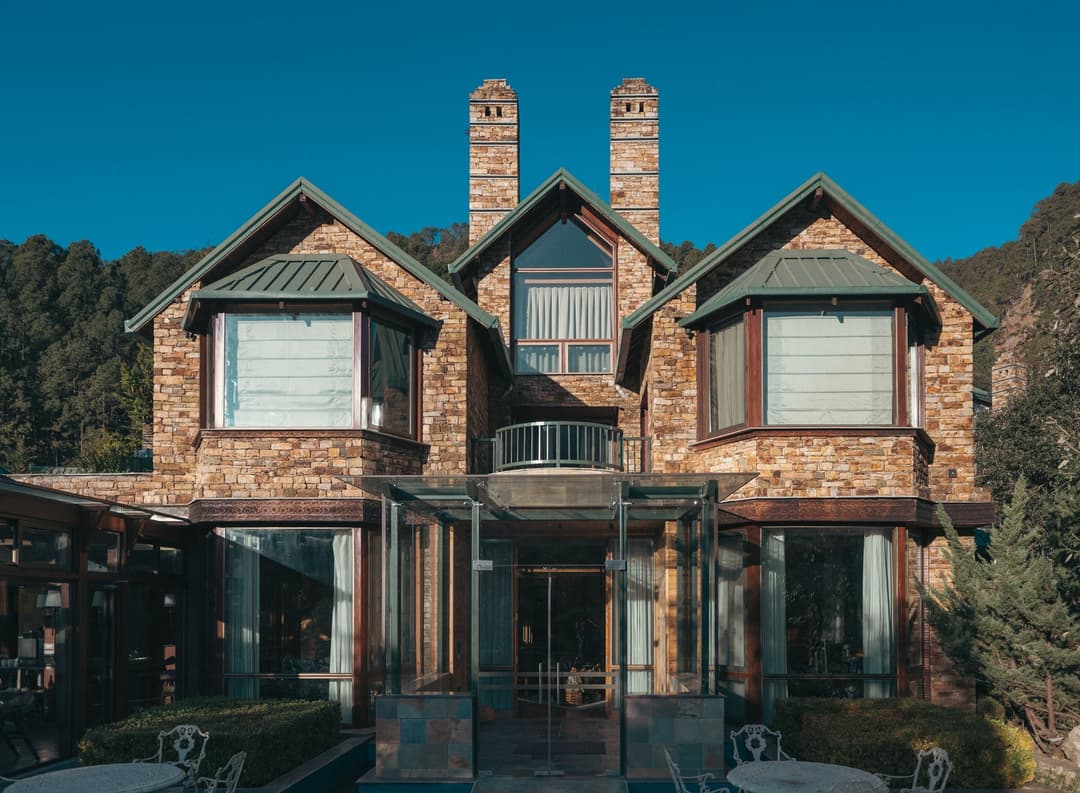
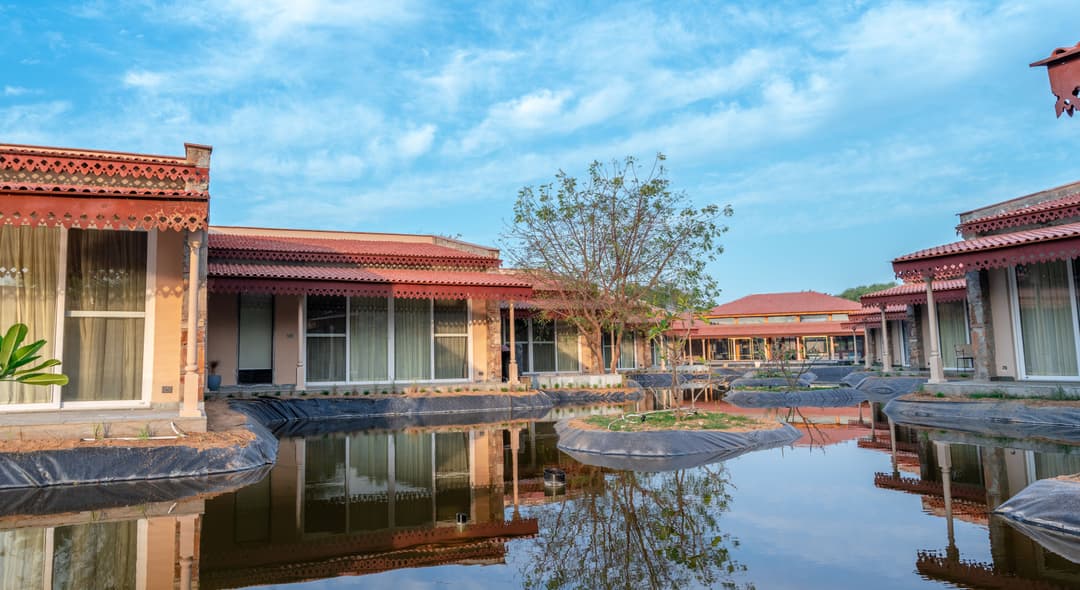
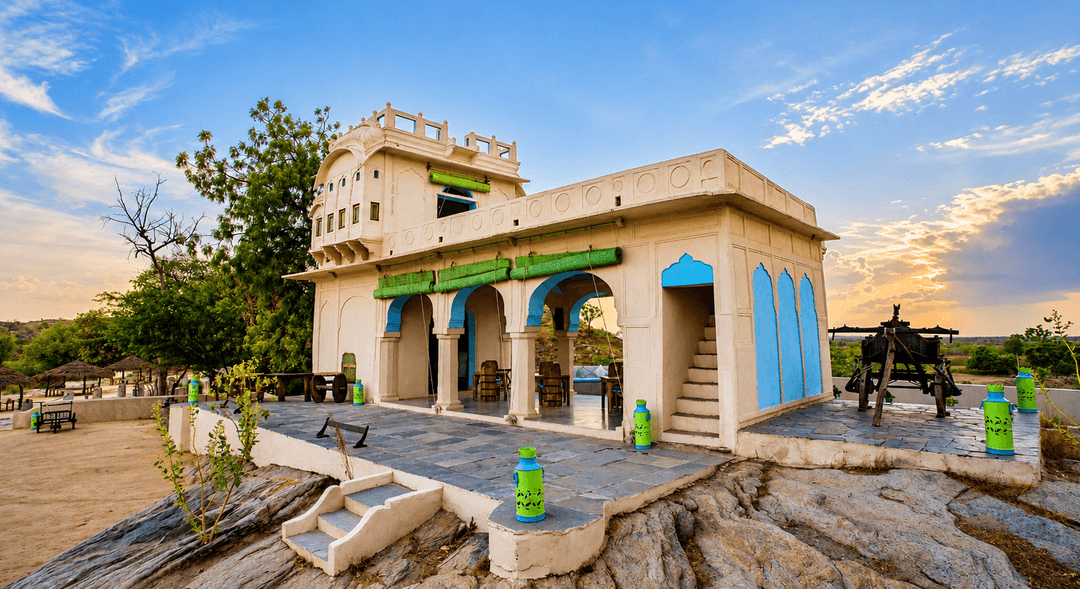
- The second thing is the building: Luxury heritage hotels Rajasthan in the rural category are typically restored properties, the kothis, the hunting lodges, the village havelis that the local nobility built for specific purposes and that the restoration has turned into guest accommodation without removing the character. The rooms don't look identical because the original building's rooms didn't look identical. The floor plan follows the architecture, not the other way around.
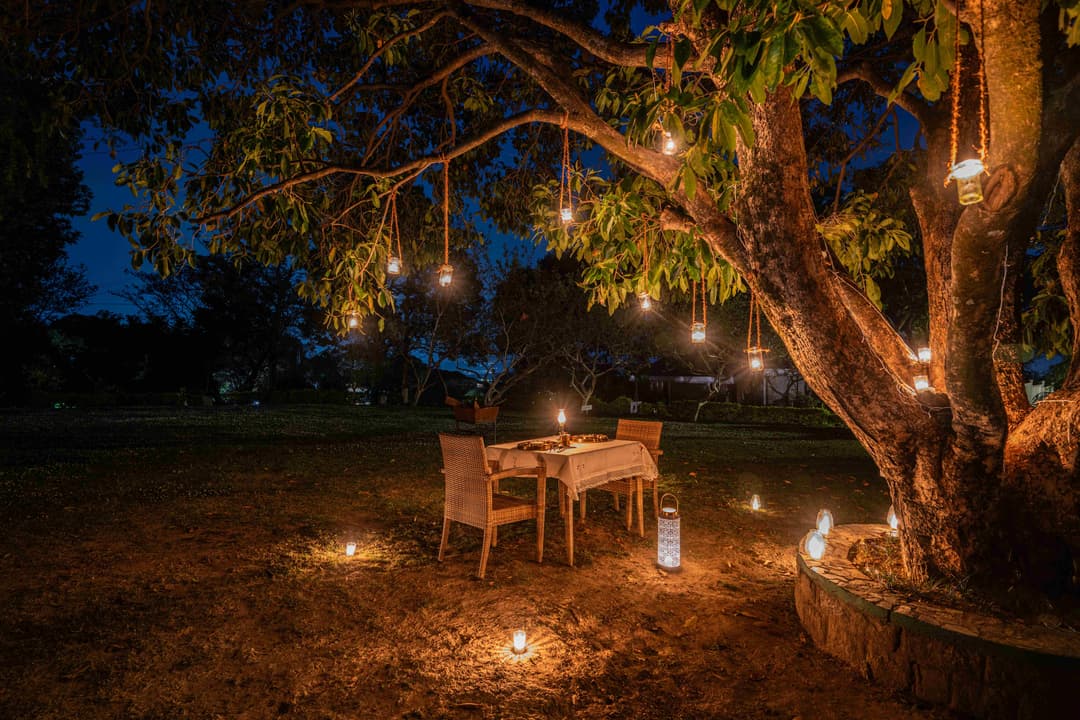
- The third thing is the quiet: Rural Rajasthan doesn't make noise at 2 am. The silence is the specific luxury that no city heritage hotel can provide regardless of the soundproofing.
The Architecture: Why the Building Is the Experience
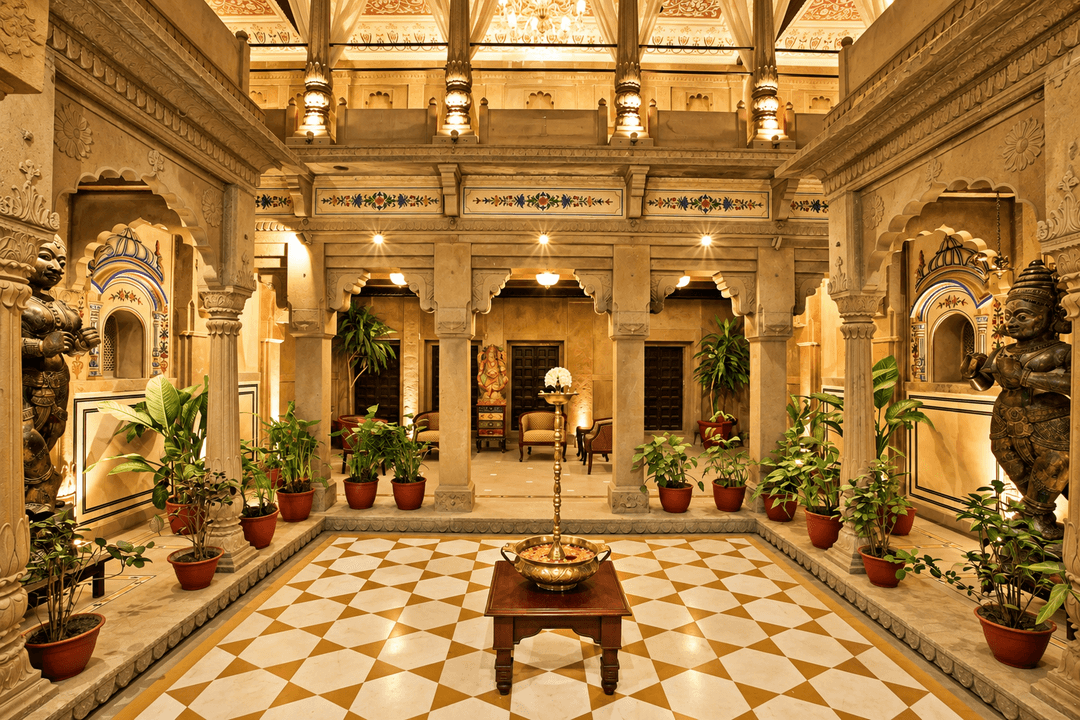
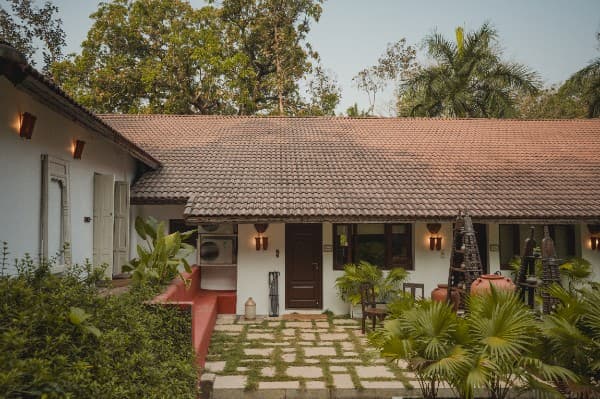
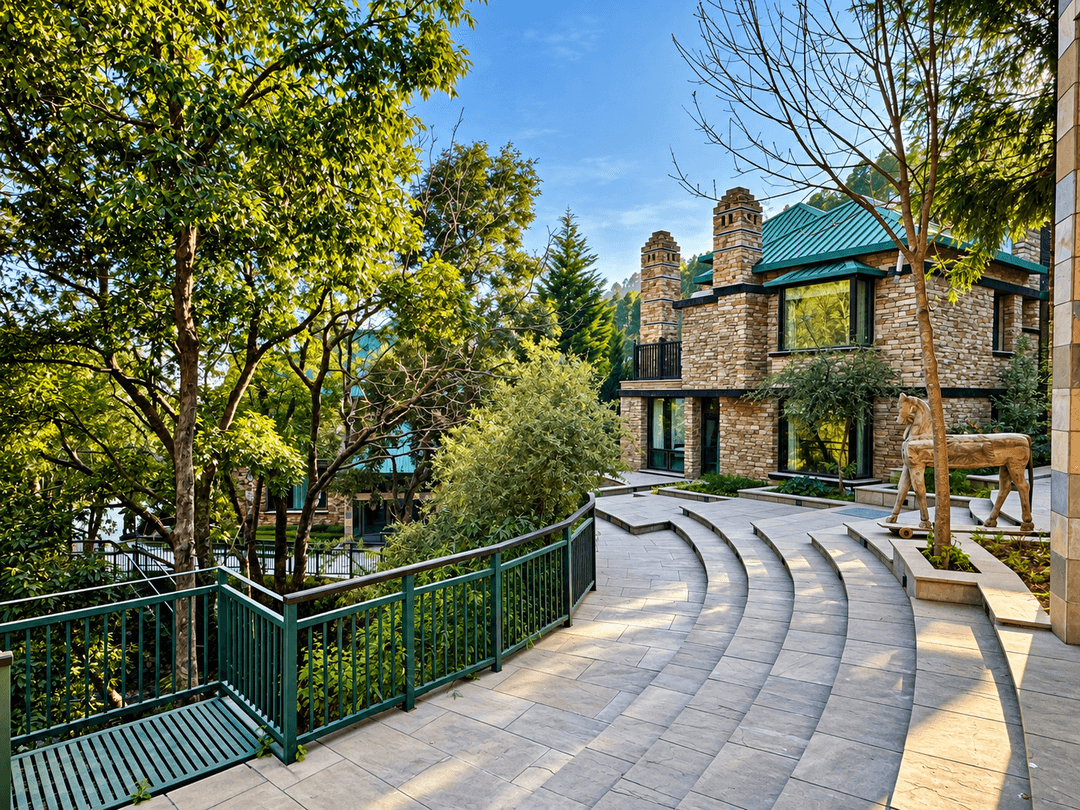
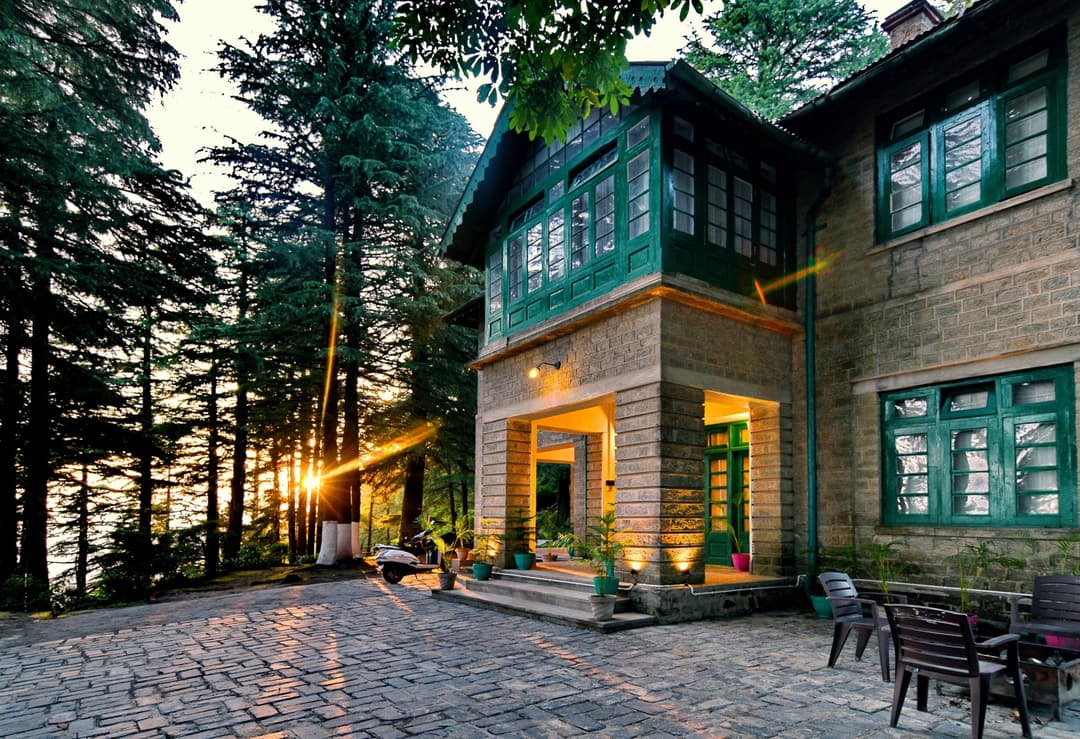
Heritage hotels in Rajasthan in the rural category carry architecture that the purpose-built hotel can spend unlimited budget attempting to replicate and never fully achieve. The sandstone that the Rajput builders quarried from the local ground. The carved jali screens that the craftsmen spent months on. The deep verandas designed for the specific angle of the Rajasthan sun, the shade arriving at the right hour rather than by accident.
Staying in this architecture changes the experience of being in it. The hotel room you sleep in is also the room where something happened historically, the family gathering, the ceremonial function, the administrative decision. The walls have absorbed this and the guest who is present and paying attention can feel it, which sounds romantic until you've actually stayed in one of these properties and understand what it means.
Heritage hotels in Rajasthan at the rural luxury level also carry the craftsmanship of the restoration, the work of bringing a building that time has been treating roughly back to something liveable without removing the evidence that time happened. This is the balance the best restorers achieve and the worst ones miss, and the difference between a well-restored heritage property and a poorly restored one is immediately visible on arrival.
Heritage Hotels in Rajasthan: The Food That Belongs to the Landscape
The rural Rajasthan kitchen is the one that the hotel restaurant in Jaipur or Udaipur is trying to replicate on the menu. The dal baati churma made from the local wheat and the ghee that the village dairy produces. The ker sangri, the desert berries and beans preparation that the landscape specifically provides and that doesn't taste the same anywhere else. The rabdi, the churma laddoo, the seasonal preparations that the kitchen makes when the ingredient is available rather than importing it.
Luxury heritage hotels Rajasthan in the rural category have access to this food in a direct way that the city property doesn't. The produce comes from the farm next door or from the village market that the kitchen has been using for years. The cook who makes the dal baati learned it in this district, not in a hotel training programme.
What to Do When the Property Is the Destination
The luxury rural Rajasthan stay has a specific rhythm. The early morning walk through the village before the day has fully started, the light, the cattle, the specific quiet of a Rajasthan agricultural community at 6:30 am. The morning that belongs to the terrace and the coffee and the view of the lake or the hills or the desert depending on where the property sits.
Village walks arranged through the property, not the managed cultural tour but the actual walk through the community with someone who lives there and knows who to speak to and when to stop. The craft tradition that the local communities carry, the block printing, the pottery, the weaving, accessible through the property's network rather than the tourist market.
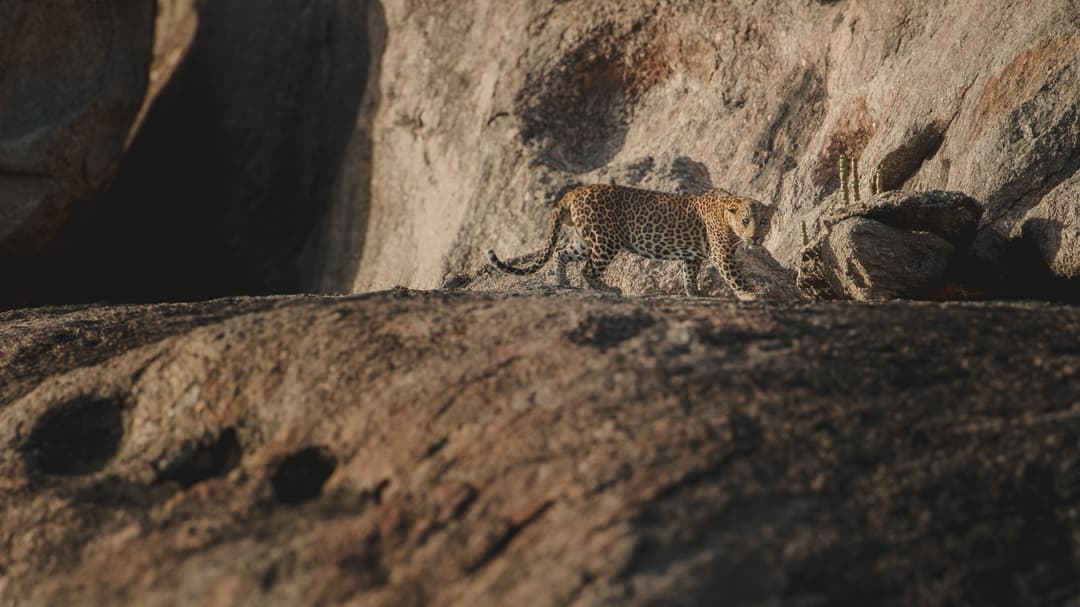
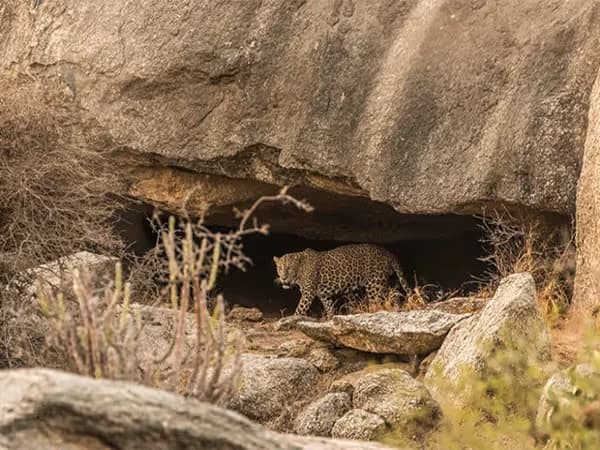
The jeep safari through the rural landscape for the wildlife and the landscape simultaneously, the heritage hotels in Rajasthan in the Aravalli foothills give access to the leopard country, the wolf territory, the birding that the undisturbed rural landscape specifically produces.
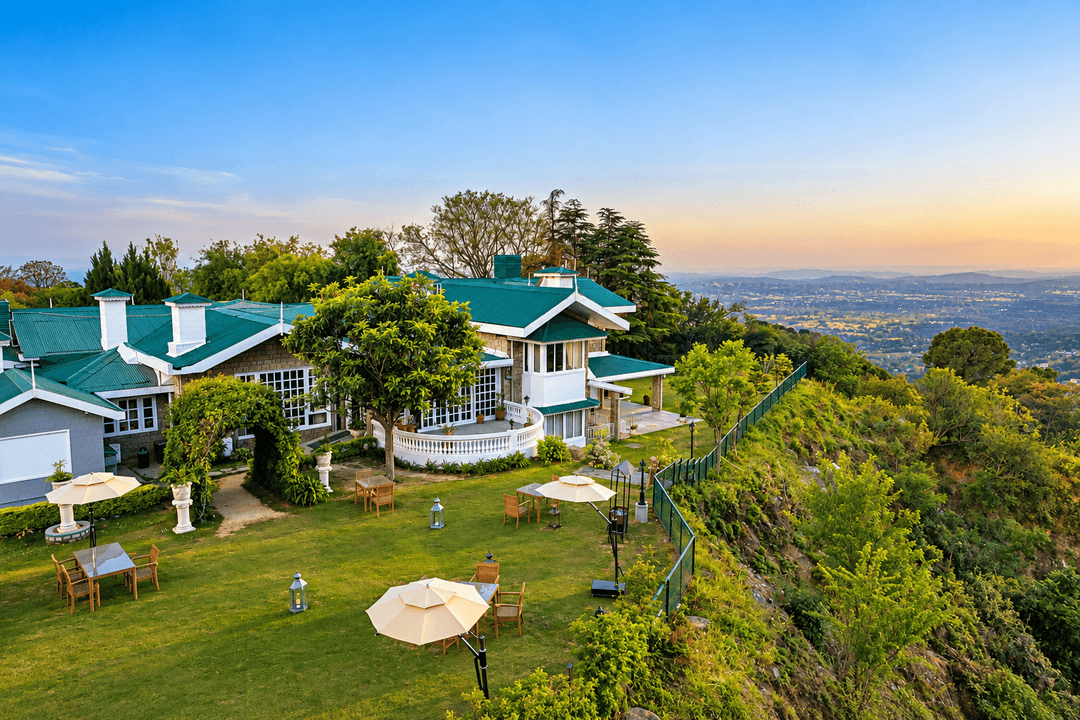
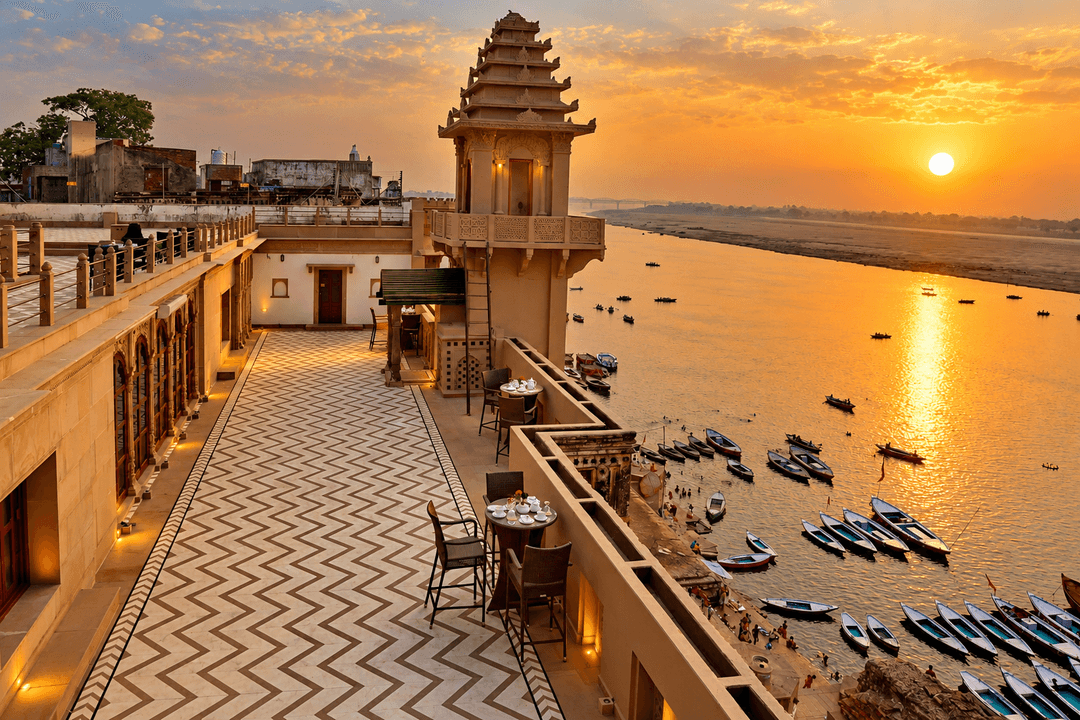
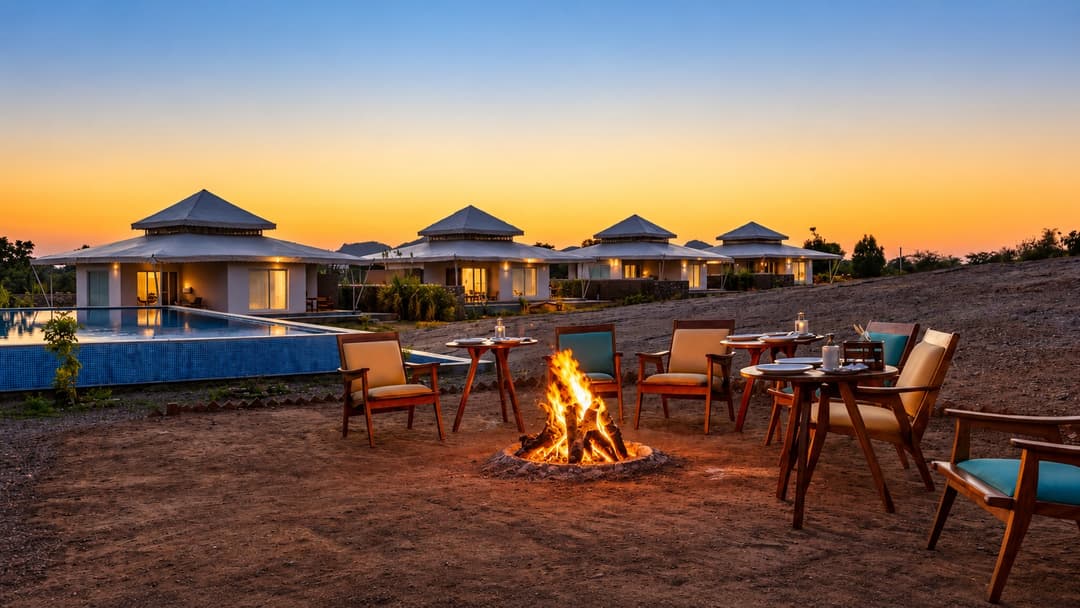
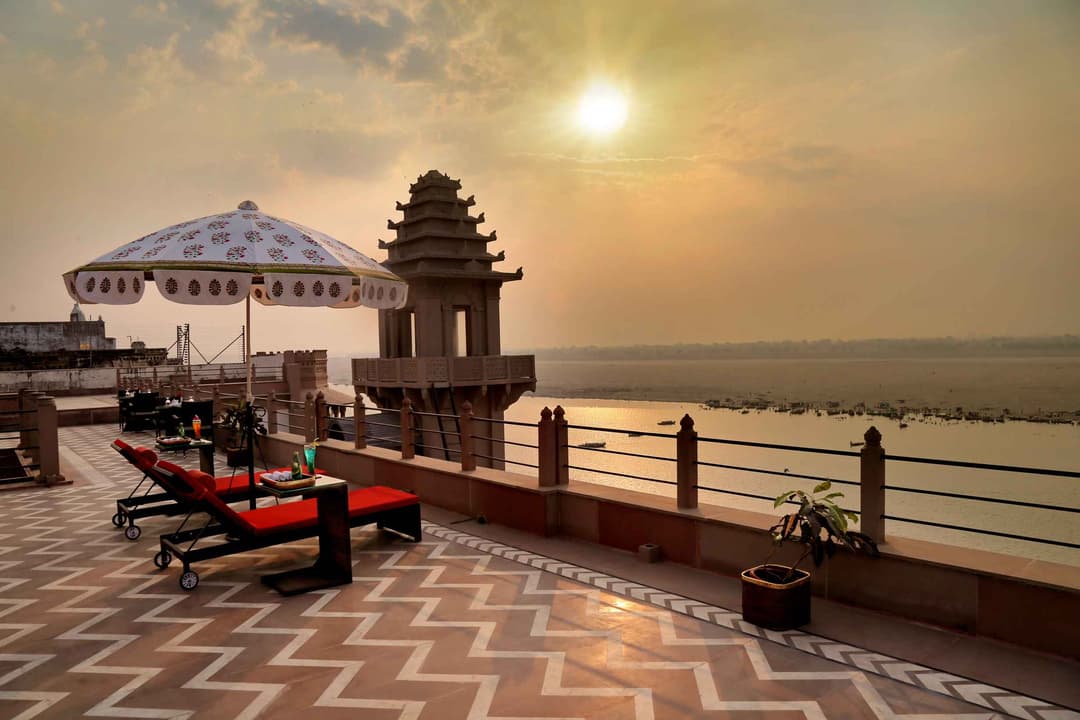
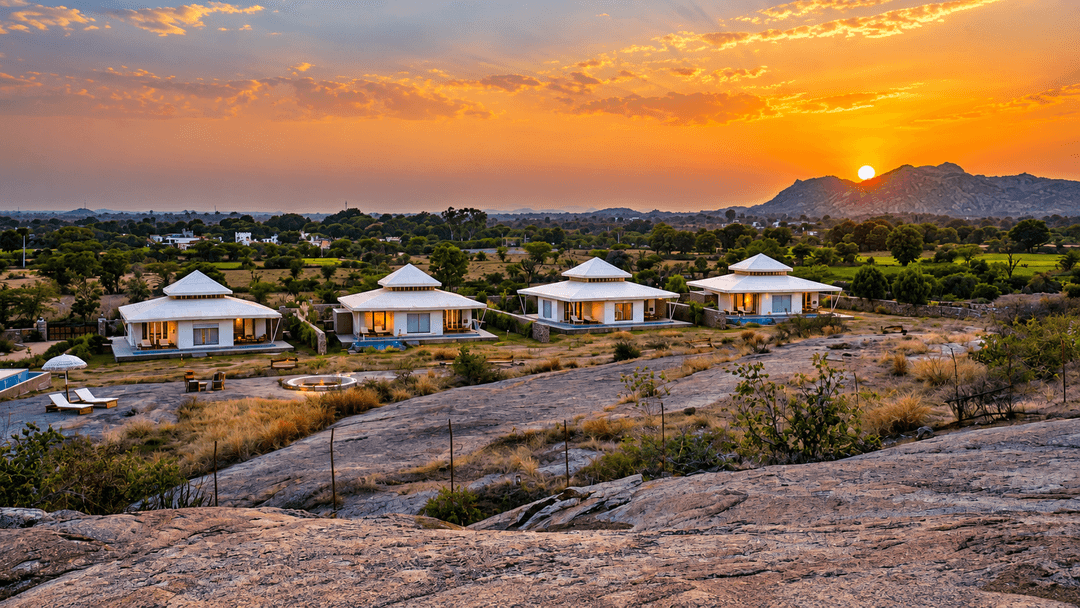
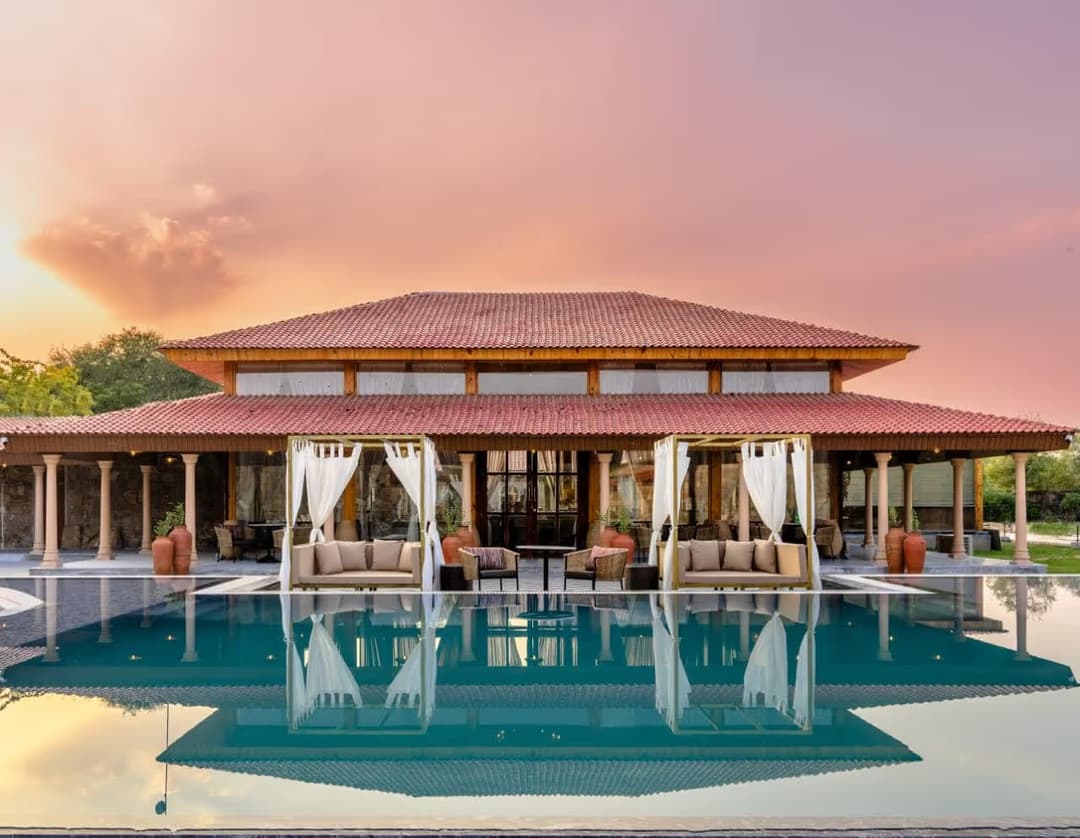
The sunset from the property terrace. Every luxury heritage hotel in rural Rajasthan earns its position partly on the sunset, the light on the stone, the colour of the landscape in the hour before dark, the specific Rajasthan evening that no rooftop restaurant in Jaipur fully replicates.
Brij Lakshman Sagar, Pali
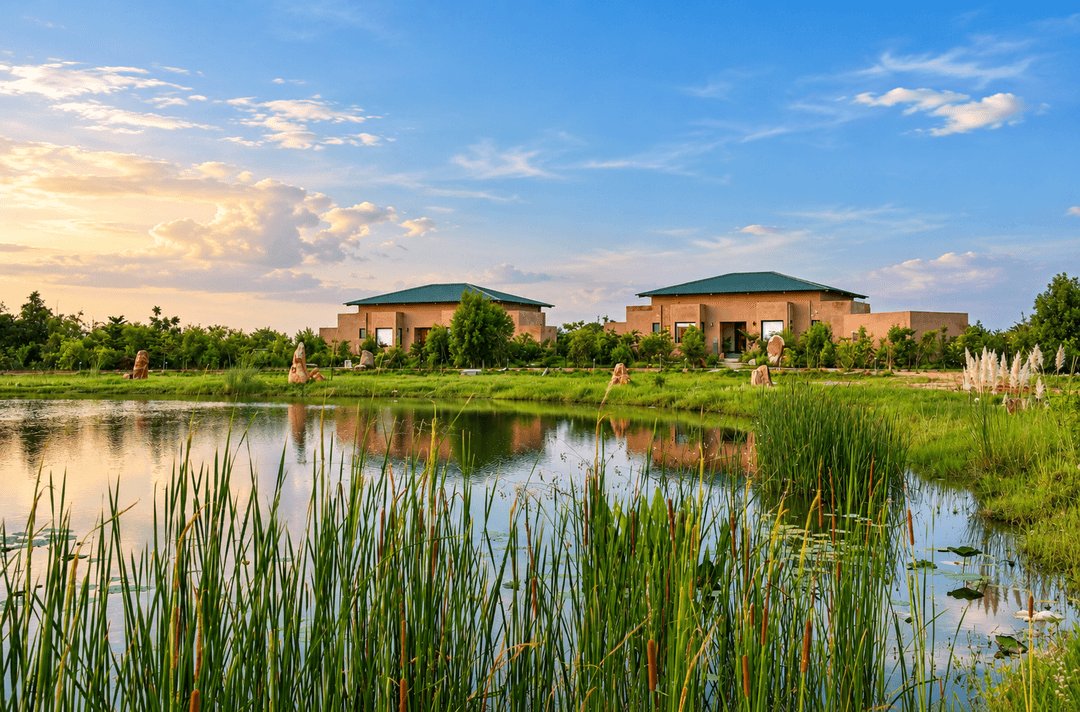
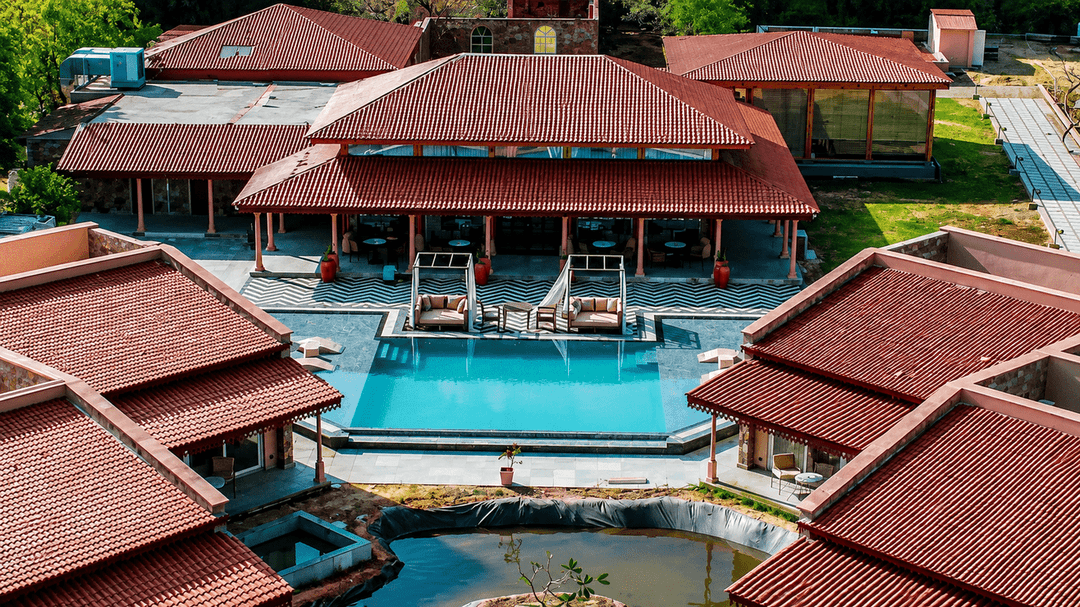
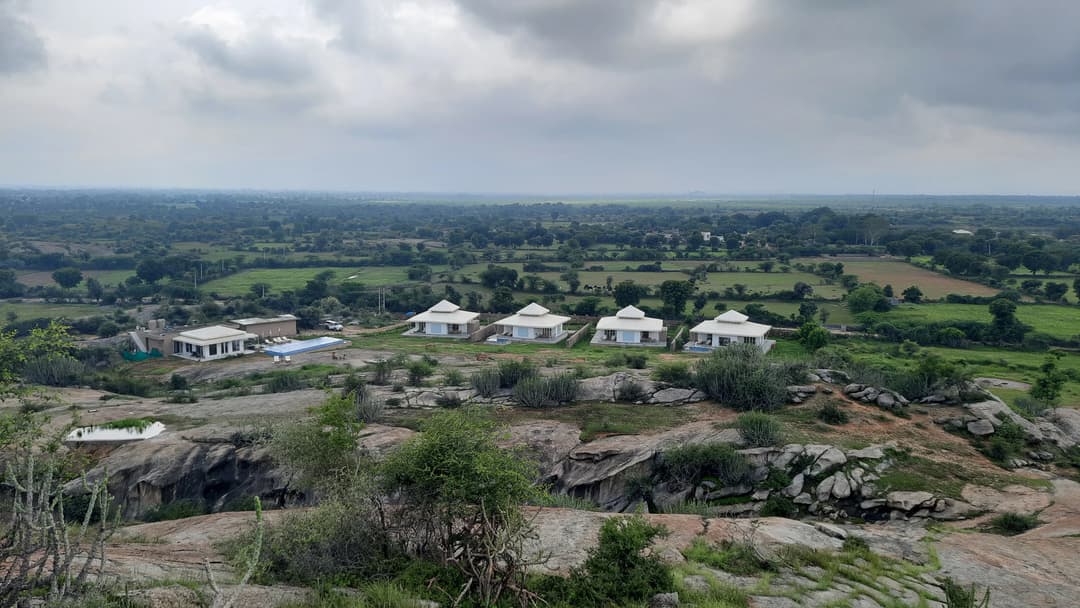
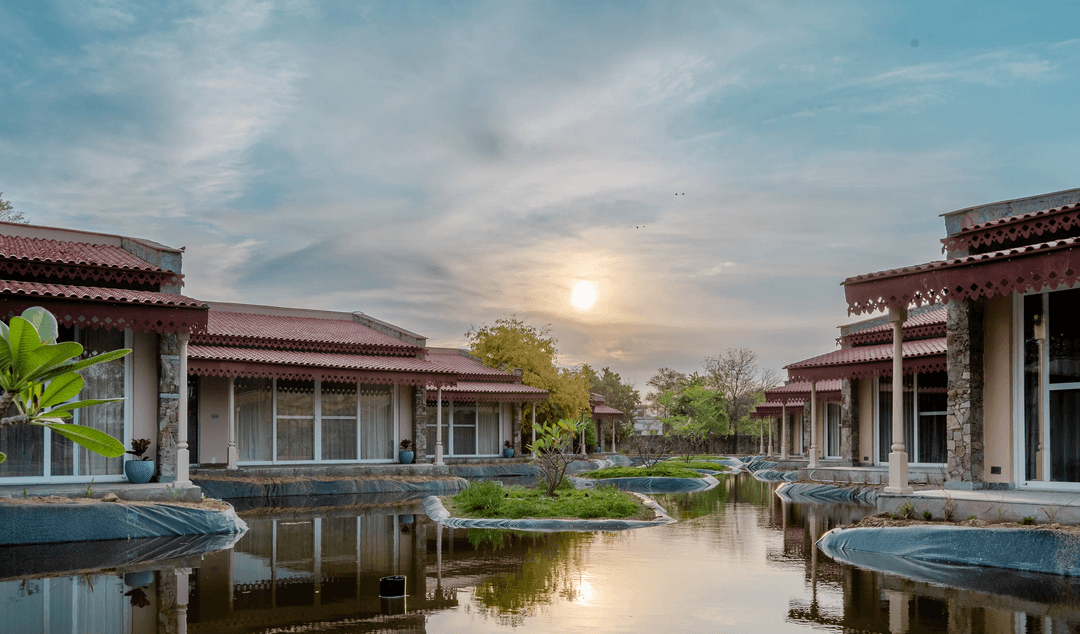
For luxury heritage hotels Rajasthan in the rural category that delivers all of this without compromise, Brij Lakshman Sagar is the property worth genuinely getting excited about. A restored heritage property in the Pali district with a reservoir setting, the Brij Hotels approach to curated luxury applied to the Rajasthan landscape at its most rural and most specific. The architecture, the lake, the food, the craft experiences, the specific quiet of a heritage property that sits inside the landscape rather than beside it. Heritage hotels in Rajasthan at the level where the stay is the Rajasthan experience rather than the accommodation around it.
FAQs
1. What makes rural Rajasthan heritage hotels different from city heritage hotels?
The space, the quiet, and the landscape. Rural luxury heritage hotels Rajasthan have the land that the city properties traded for more rooms, the lake view, the private garden, the terrace facing open landscape. The architecture is typically in better condition because the rural properties weren't subjected to the commercial pressures that altered the city havelis. And the food is sourced from the surrounding region rather than imported from the city supply chain.
2. What should I expect from the food at a rural heritage hotel in Rajasthan?
The regional Rajasthani cuisine at its most specific, dal baati churma from local wheat, ker sangri, the seasonal preparations that the desert landscape produces. The best luxury heritage hotels Rajasthan in the rural category source from the village market and the local farm rather than the city distributor. The food here is the version the city hotel restaurant is trying to recreate.
3. How do I get to rural heritage properties in Rajasthan?
Most rural luxury heritage properties arrange transfers from the nearest airport or railway station. Pali is accessible from Jodhpur airport, approximately 80 kilometres, or from Jodhpur railway station. The property transfer is worth arranging in advance rather than relying on local transport, particularly for evening arrivals when the rural roads are less navigable independently.
4. What is the best time to visit rural Rajasthan?
October through February is the main window, the Rajasthan winter at its most comfortable, the wildlife active, the outdoor activities viable throughout the day. November through January is peak season. March starts warming quickly. The monsoon from July through September brings dramatic green to the landscape and the lake levels rise, some properties specifically recommend this season for the transformation it produces.
5. Is a rural heritage hotel stay suitable for couples?
Specifically suited. The private setting, the lake or landscape views, the specific quiet of a rural property at night, and the personalised service that a smaller heritage property provides, these are the conditions that the couple's stay specifically benefits from. The luxury heritage hotels Rajasthan in the rural category consistently rank among the most memorable couple travel experiences in India for exactly these reasons.