Why a Heritage Hotel Can Be the Best Way to Experience Old Dalhousie
18-09-2026
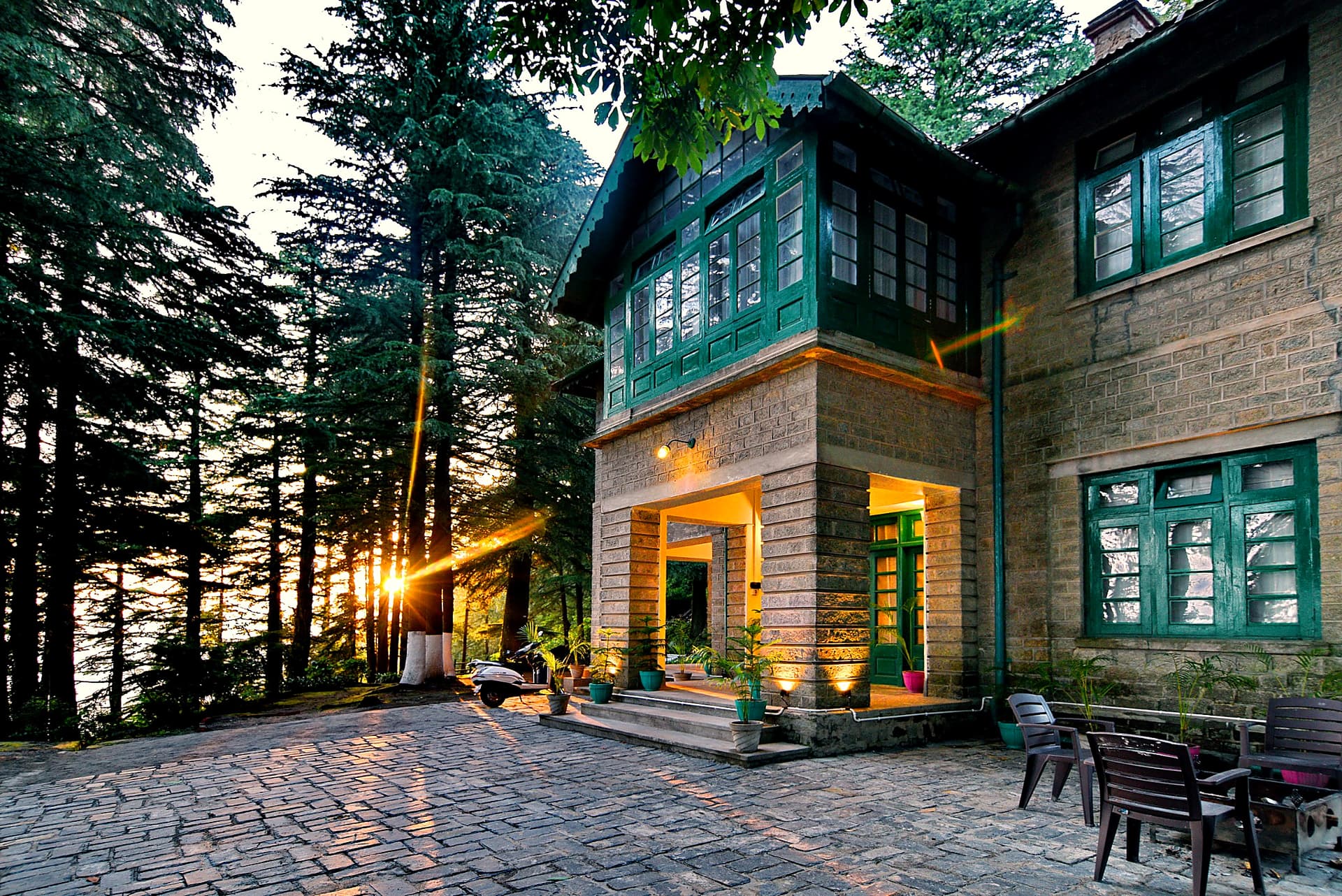
Table of Contents
- 1. Dalhousie: The Hill Station That Time Treated Kindly
- 2. Why the Building You Sleep In Changes How You Experience the Place
- 3. What Heritage Hotels in Dalhousie Give You
- 4. Hotels in Dalhousie: The Areas and What They Mean
- 5. What to Do in Dalhousie When the Hotel Is Part of the Experience
- 6. Brij Villa
- 7. FAQs
Dalhousie: The Hill Station That Time Treated Kindly
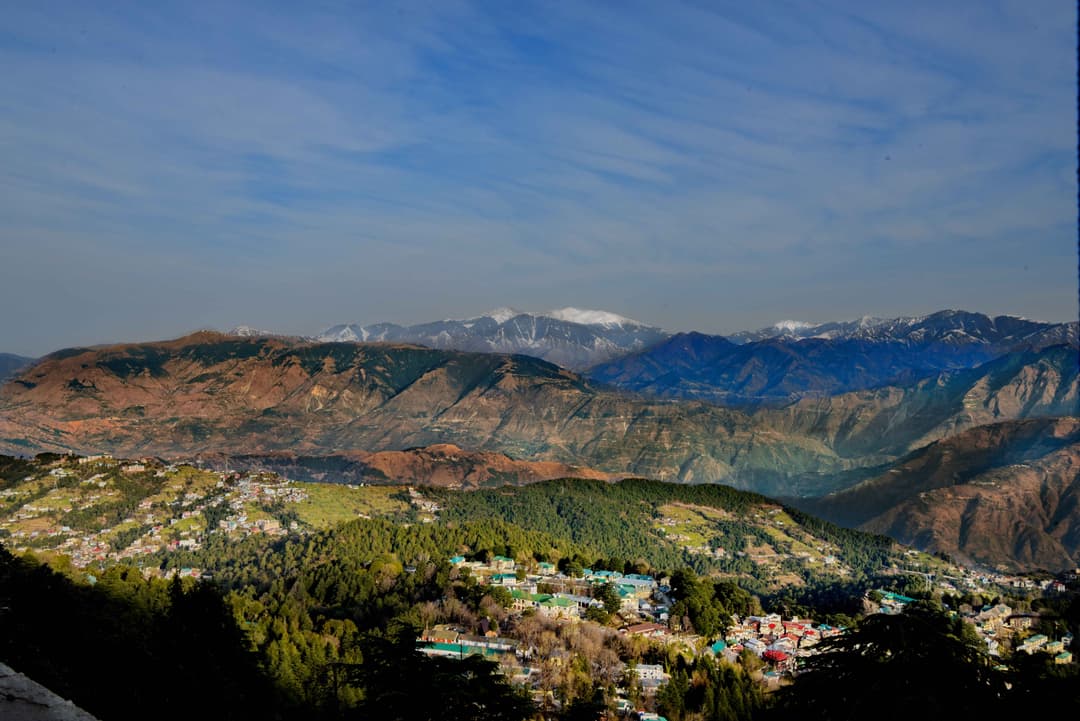
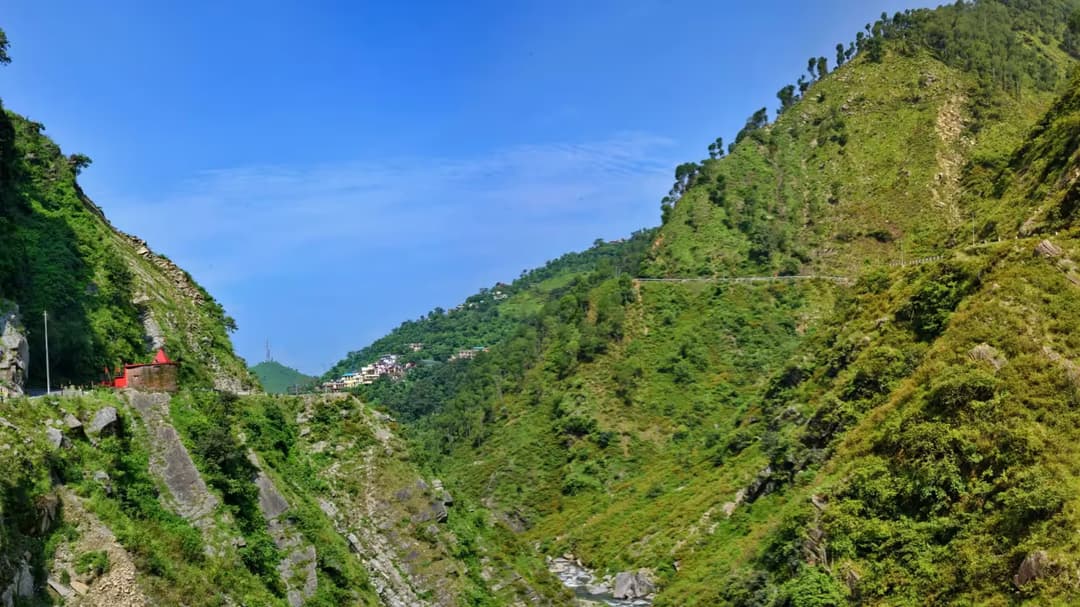
Most Indian hill stations have been developed to the point where the original reason for being there requires some searching. Dalhousie hasn't quite reached that point. The Dhauladhar range is still the dominant visual. The colonial-era churches still mark the ridge. The chinar trees that the British planted along the walking paths are still there, older and more certain of themselves than anything built since.
The hill station was established in 1854, named after Lord Dalhousie, who chose the site for summer relief from the plains, and the five hills it spreads across still carry the Victorian character that the founding intention produced. The bungalows, the churches, the specific unhurried pace that the altitude and the architecture together create. Coming to Dalhousie and staying in a purpose-built modern hotel is a bit like going to a concert and sitting in the lobby. The experience is adjacent to the thing rather than inside it.
Why the Building You Sleep In Changes How You Experience the Place
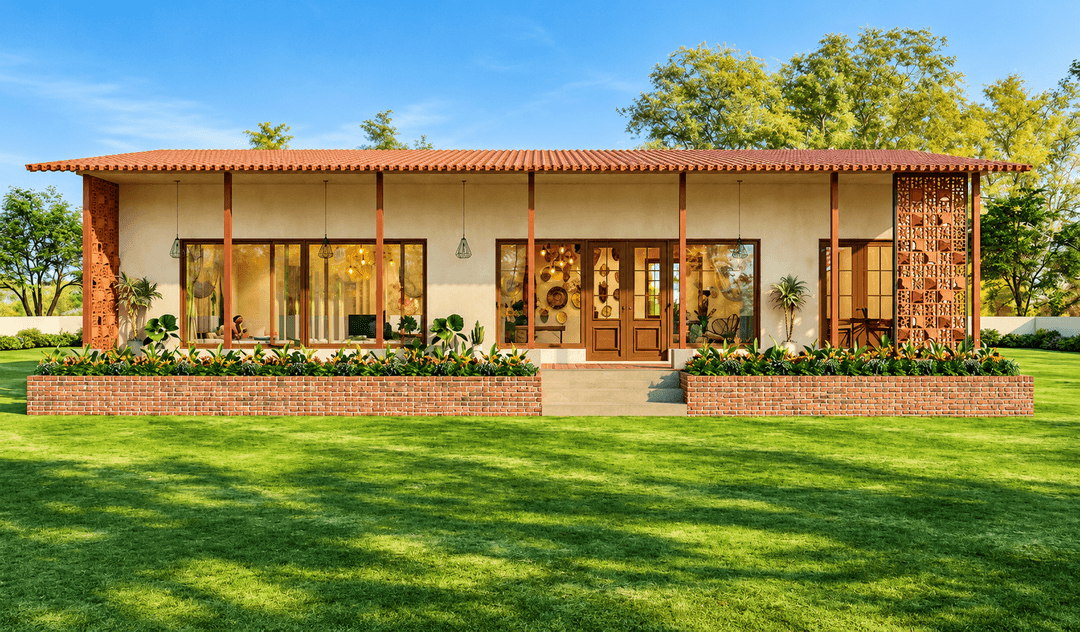
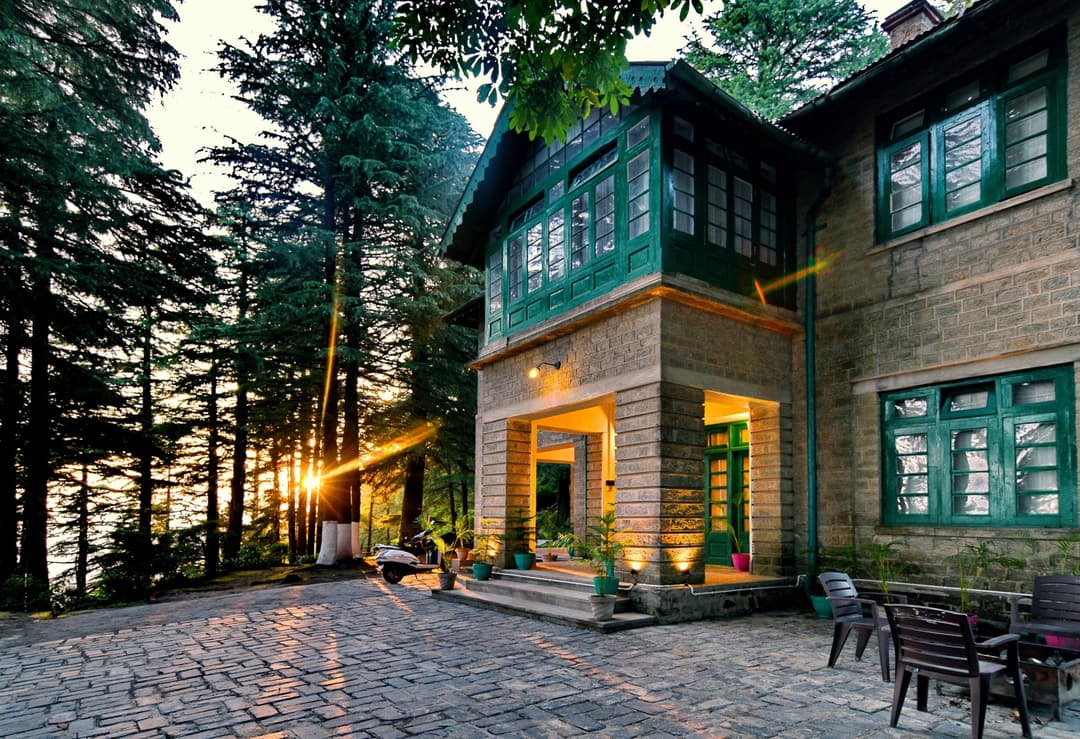
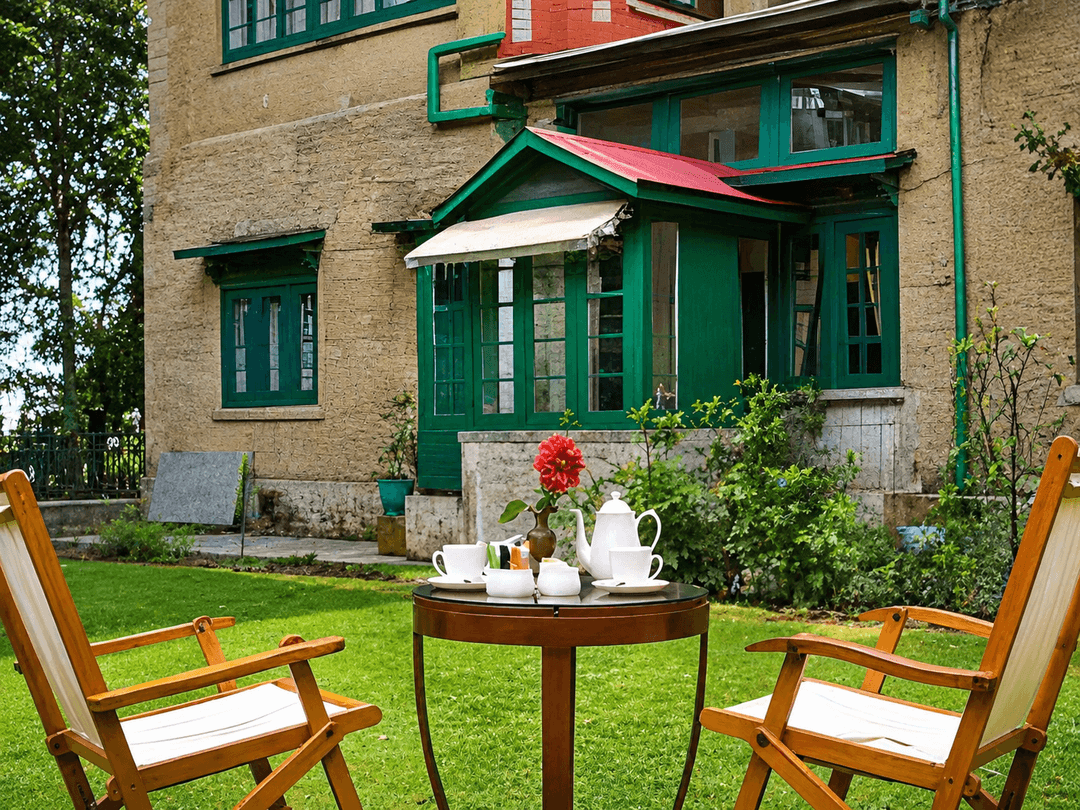
This is the argument for heritage hotels in Dalhousie specifically and it doesn't require romanticising anything. The building you sleep in determines what the morning looks like. The heritage property built in the colonial era faces the Dhauladhar at the angle the original builders chose, which was always the best angle, because they had the whole ridge to choose from and chose deliberately. The veranda was positioned for the afternoon light and the mountain view simultaneously. The fireplace was built into the room because the Dalhousie winter specifically requires one and the original builders knew this.
These are not decorative details. They're the specific functional decisions of people who understood the landscape and responded to it architecturally. Heritage stays in Dalhousie that occupy these buildings give the guest the benefit of that understanding without having to discover it themselves.
What Heritage Hotels in Dalhousie Give You
The view from the room rather than from a shared rooftop terrace. The specific Dalhousie morning, the Dhauladhar lit up, the valley in shadow below, the temperature that requires the blanket for the first hour, from inside your own space rather than from a corridor window.
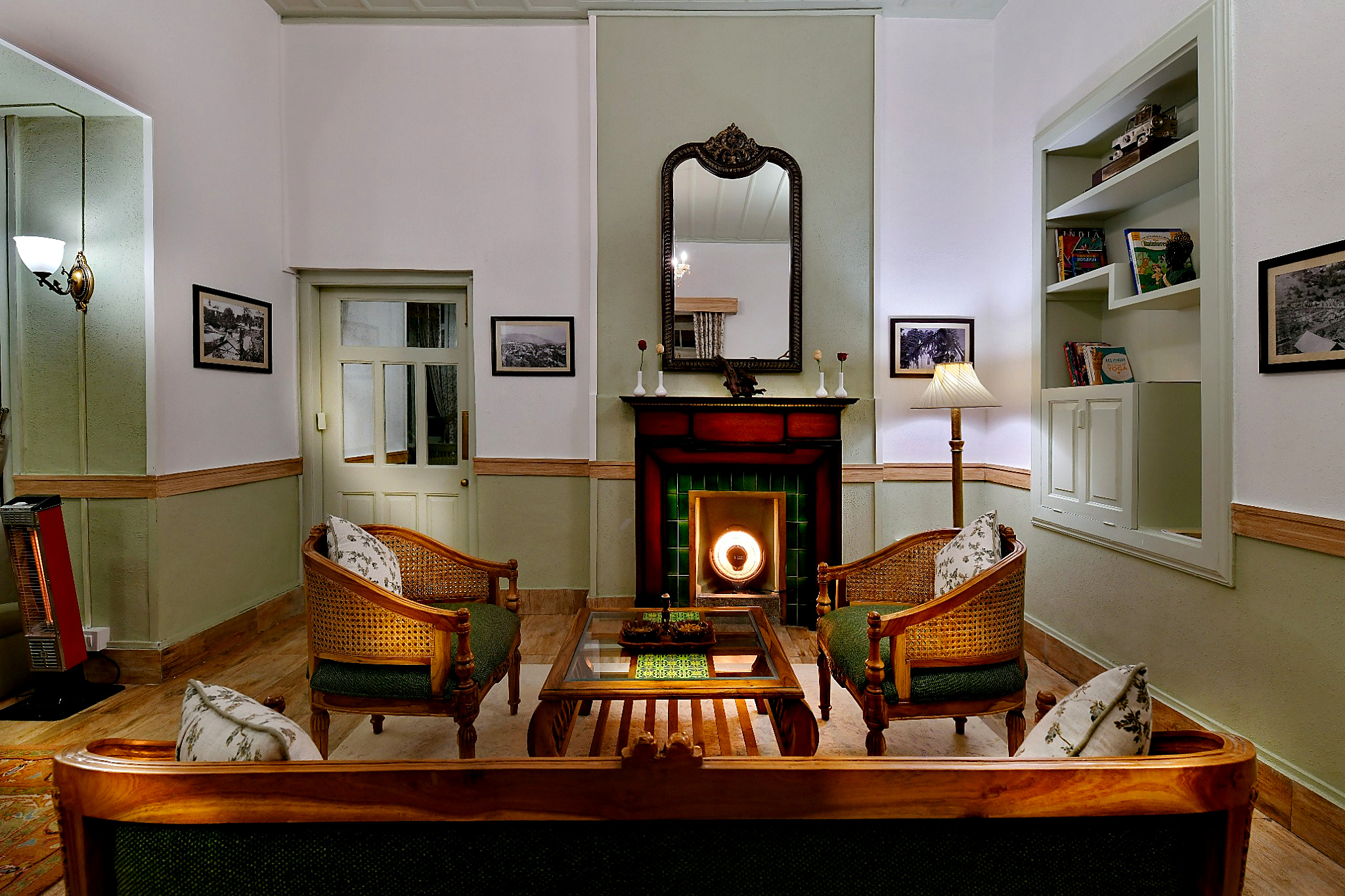
The fireplace for the evenings from October through February when the Dalhousie cold arrives specifically and efficiently. The veranda for the afternoons when the weather is at the specific quality that the Himachal Pradesh hill station produces and that doing nothing in particular specifically responds to.
The character that the building carries regardless of what anyone has done to the interiors. The proportions, the ceiling height, the way the light comes through the windows at certain hours, these are the things that the purpose-built hotel can reference in the design brief and cannot actually replicate in the outcome.
Hotels in Dalhousie: The Areas and What They Mean
The Subhash Chowk area is the commercial centre, the market, the food, the specific hill station town energy that Dalhousie carries without the tourist volume of the larger Himachal destinations. Hotels in Dalhousie around Subhash Chowk give you the town on foot and the trails accessible without a vehicle.
Gandhi Chowk and the upper ridge for the Dhauladhar views and the colonial architecture at its most concentrated. The churches, the heritage buildings, the specific Dalhousie that the walking paths connect. Heritage hotels in Dalhousie in this zone give you the old hill station rather than the service infrastructure around it.
The Khajjiar road for the visitor who wants the Dalhousie base and the Khajjiar meadow, the mini Switzerland of India, 24 kilometres from the main town, as the day excursion that the stay specifically enables.
What to Do in Dalhousie When the Hotel Is Part of the Experience
The Dainkund Peak trek, the highest point in the Dalhousie area at 2,745 metres, the view from the top extending across the Chamba valley and the Dhauladhar range in both directions. Start early. The morning on Dainkund before the cloud arrives is the specific Dalhousie experience that the afternoon doesn't replicate.
Khajjiar for the meadow, the lake, the specific visual that makes the mini Switzerland comparison inevitable and not entirely wrong. The cedar forest surrounding the meadow is the specific Himachal landscape photography the trip includes.
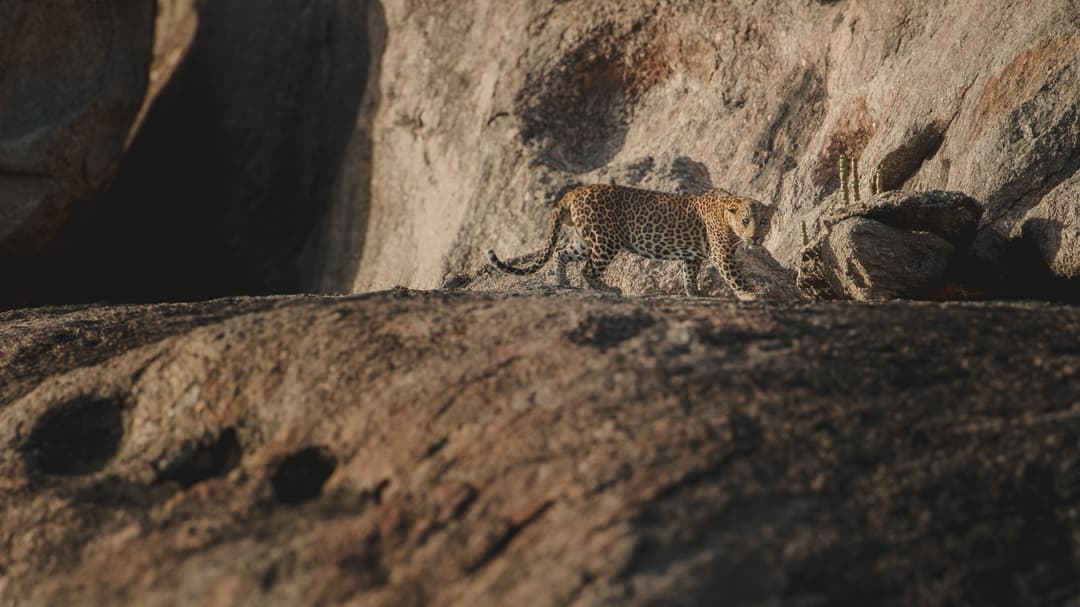
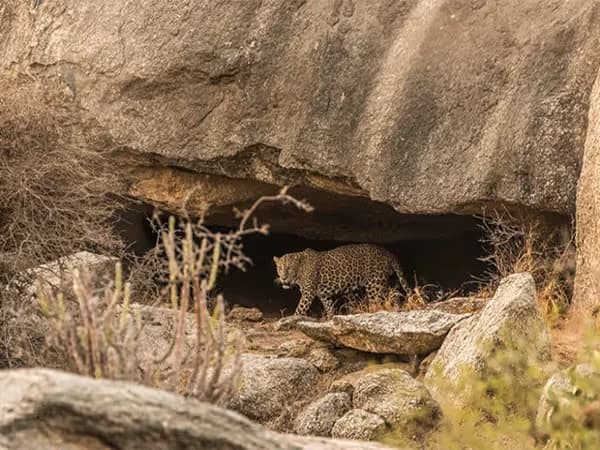
The Kalatope Wildlife Sanctuary adjacent to Dalhousie for the forest walk and the bird life, the Himalayan monal, the koklass pheasant, the forest species that the cedar and oak habitat produces. The leopard is present in the sanctuary though the sighting requires patience and the right conditions.
The Punchpula waterfall for the half-morning excursion that most Dalhousie visitors include and that delivers the waterfall in the Himalayan forest setting that the hill station specifically warrants.
Brij Villa, Dalhousie
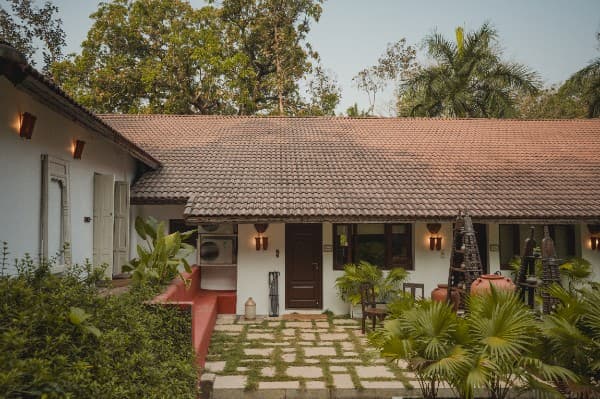
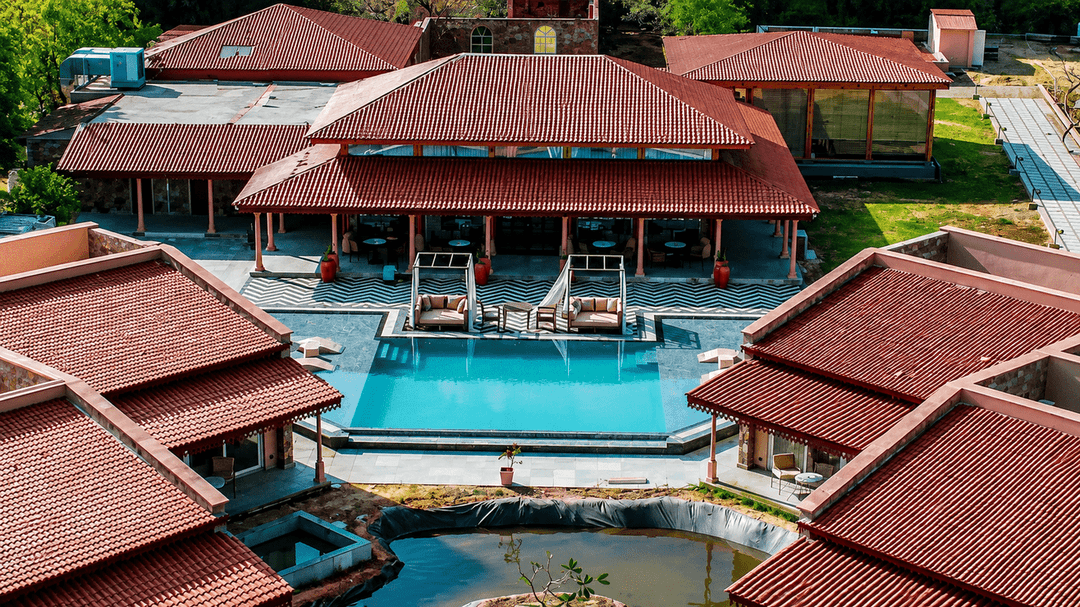
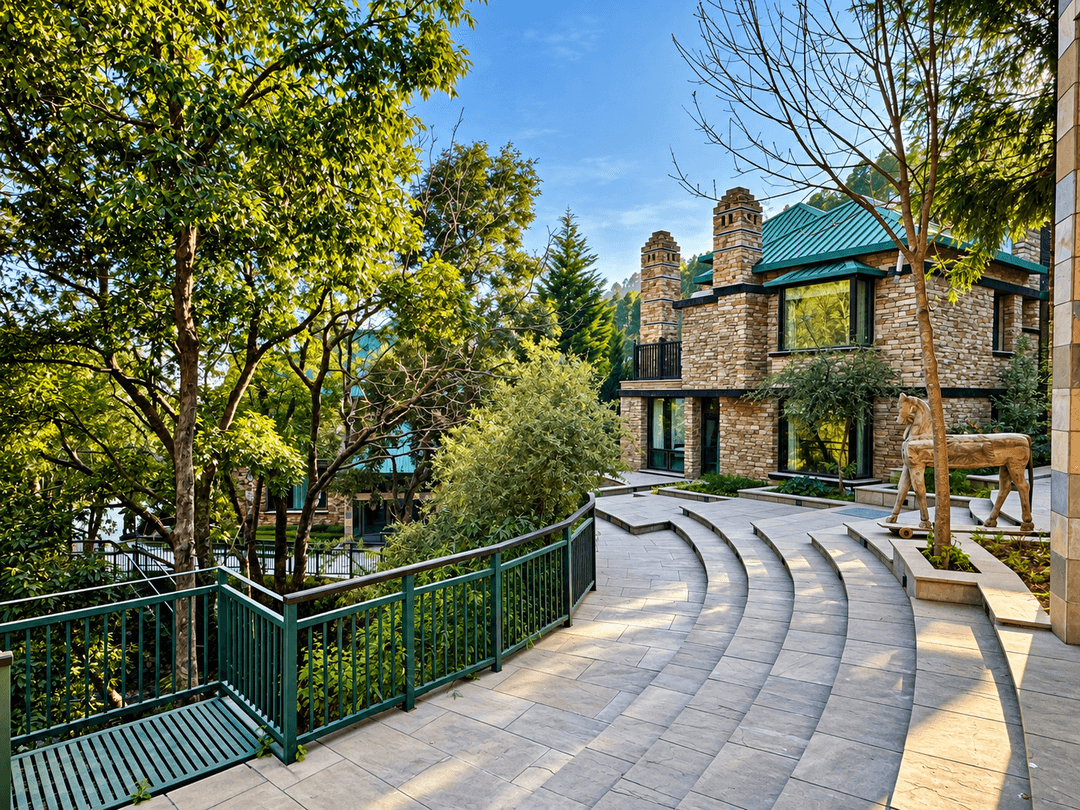
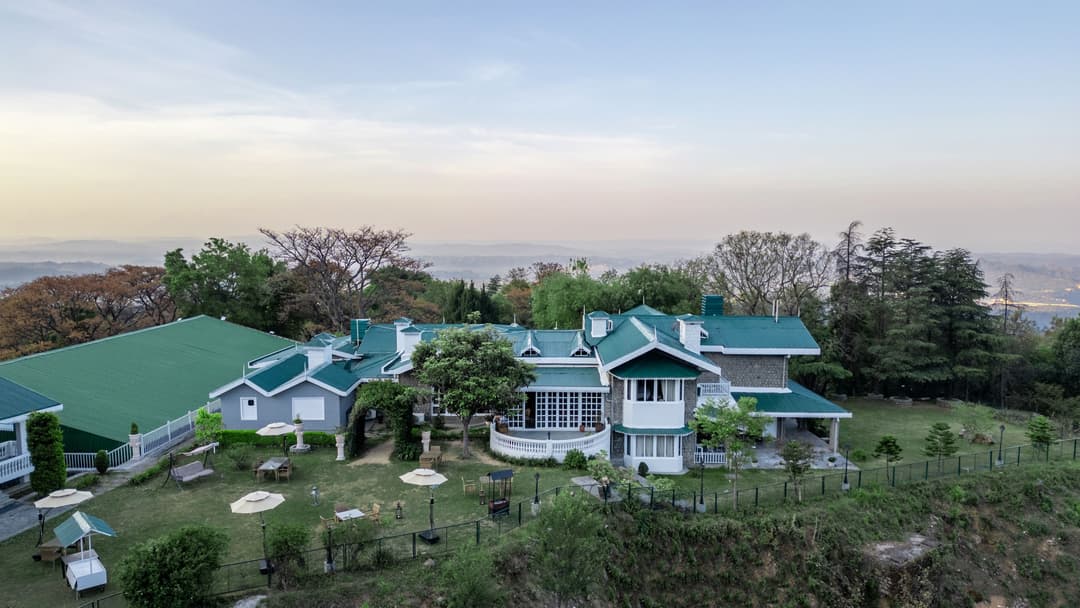
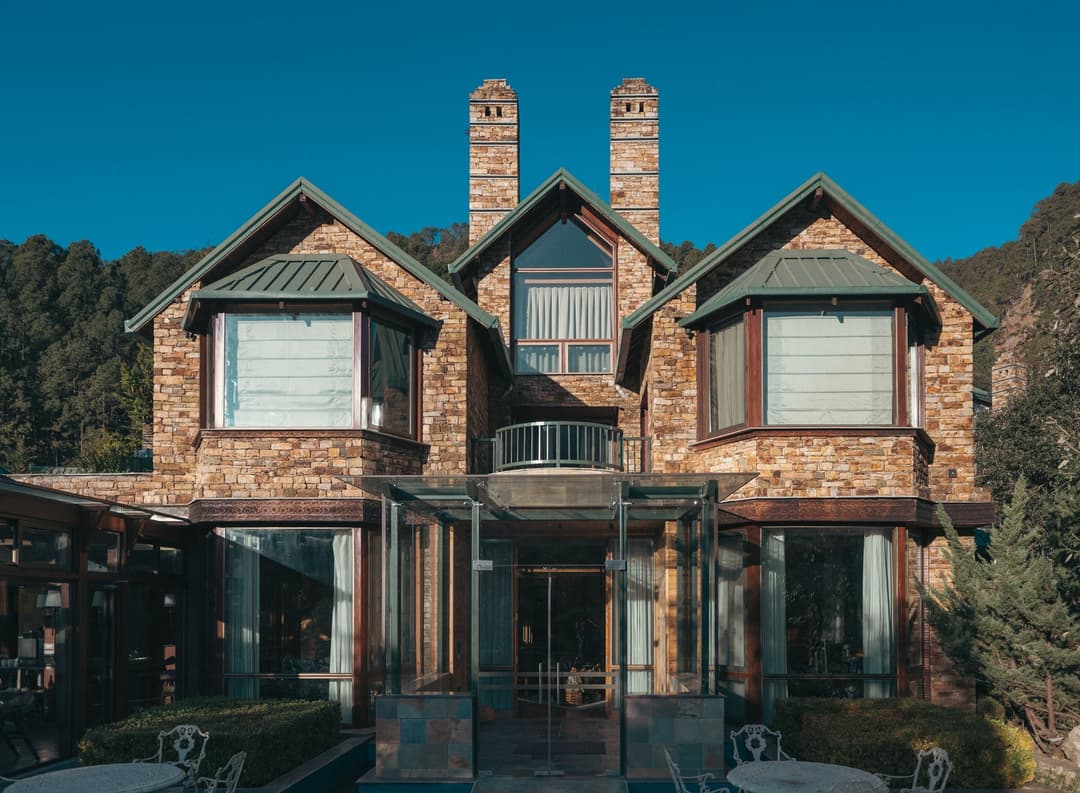
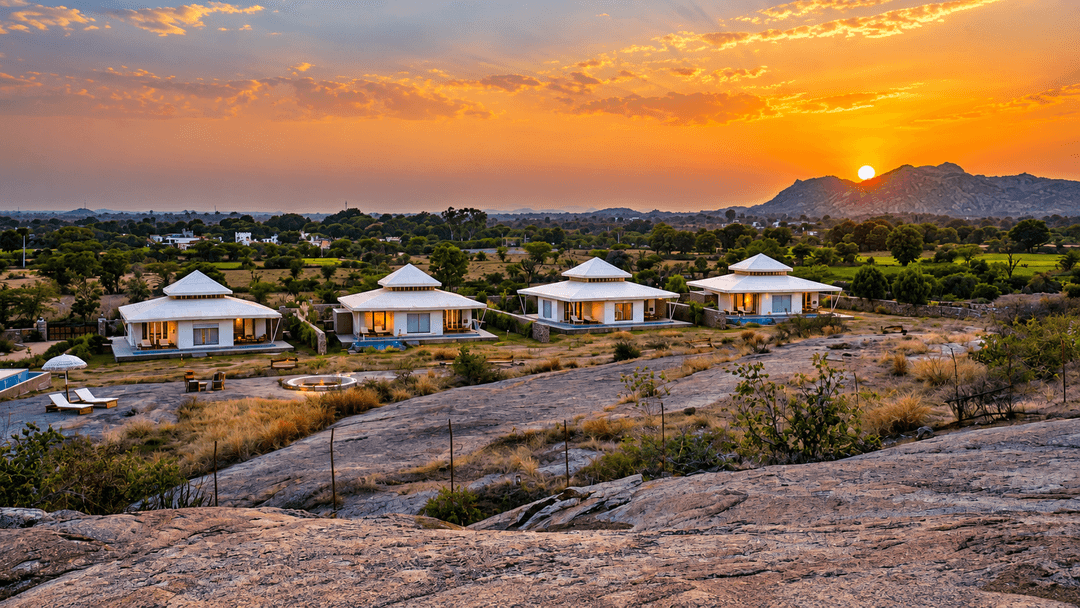
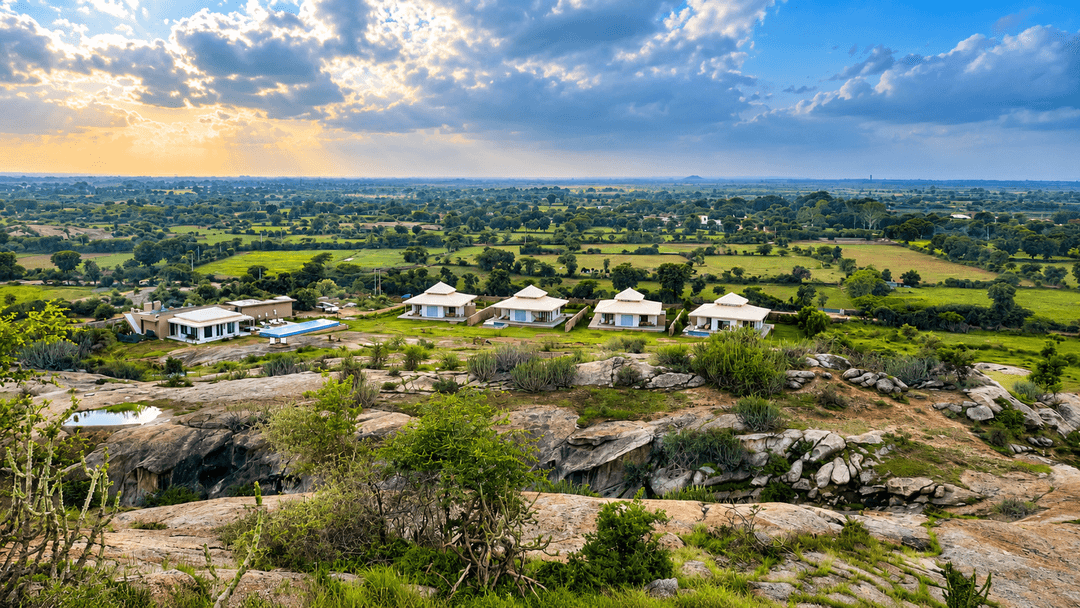
For heritage hotels in Dalhousie that deliver the colonial-era character, the Dhauladhar views, and the Brij Hotels hospitality standard in the same address, Brij Villa is genuinely worth getting excited about. The heritage property on the Dalhousie ridge, the Brij approach to curated luxury applied to the Himachal hill station. Hotels in Dalhousie at the level where the building is part of why you're here and the stay delivers the old Dalhousie rather than the version adjacent to it. The heritage hotel in Dalhousie that earns the description.
FAQs
1. What makes heritage hotels in Dalhousie different from regular hill station hotels?
The building itself. Heritage hotels in Dalhousie occupy colonial-era properties built with the Dhauladhar views, the afternoon light, and the mountain climate in mind. The fireplace, the veranda, the ceiling proportions, these are the functional responses to the landscape that the purpose-built modern hotel references in design and cannot replicate in experience.
2. What is the best time to visit Dalhousie?
March through June for the spring and early summer, the rhododendrons in bloom, the weather comfortable, the views clear before the monsoon. September through November for the post-monsoon clarity, the best Dhauladhar views of the year. December through February for the snow and the specific winter character of a Himachal hill station with a fireplace.
3. How far is Dalhousie from Pathankot and Amritsar?
Dalhousie is approximately 80 kilometres from Pathankot, the nearest railway station, roughly 2.5 hours by road through the Ravi valley. From Amritsar it's approximately 190 kilometres, 4 to 4.5 hours by road. Pathankot is the standard approach with Dalhousie-bound taxis and buses available from the station.
4. Is Dalhousie suitable for a family trip?
Yes. The Khajjiar meadow for the children. The walking paths through the town for the older family members. The Dainkund trek for the adults with the energy for it. The heritage hotels in Dalhousie with fireplace rooms for the family evening when the temperature drops and nowhere to be is exactly the right plan.
5. What is Khajjiar and how far is it from Dalhousie?
Khajjiar is a high-altitude meadow at approximately 1,920 metres, 24 kilometres from Dalhousie on the road toward Chamba. The circular meadow, the lake in the centre, the cedar forest surrounding it, the visual is the one that earned the mini Switzerland comparison in 1992 and has sustained it since. Worth a half day from a Dalhousie base.