What Makes a Wilderness Hotel in Jawai Different From a Regular Resort Stay?
10-09-2026
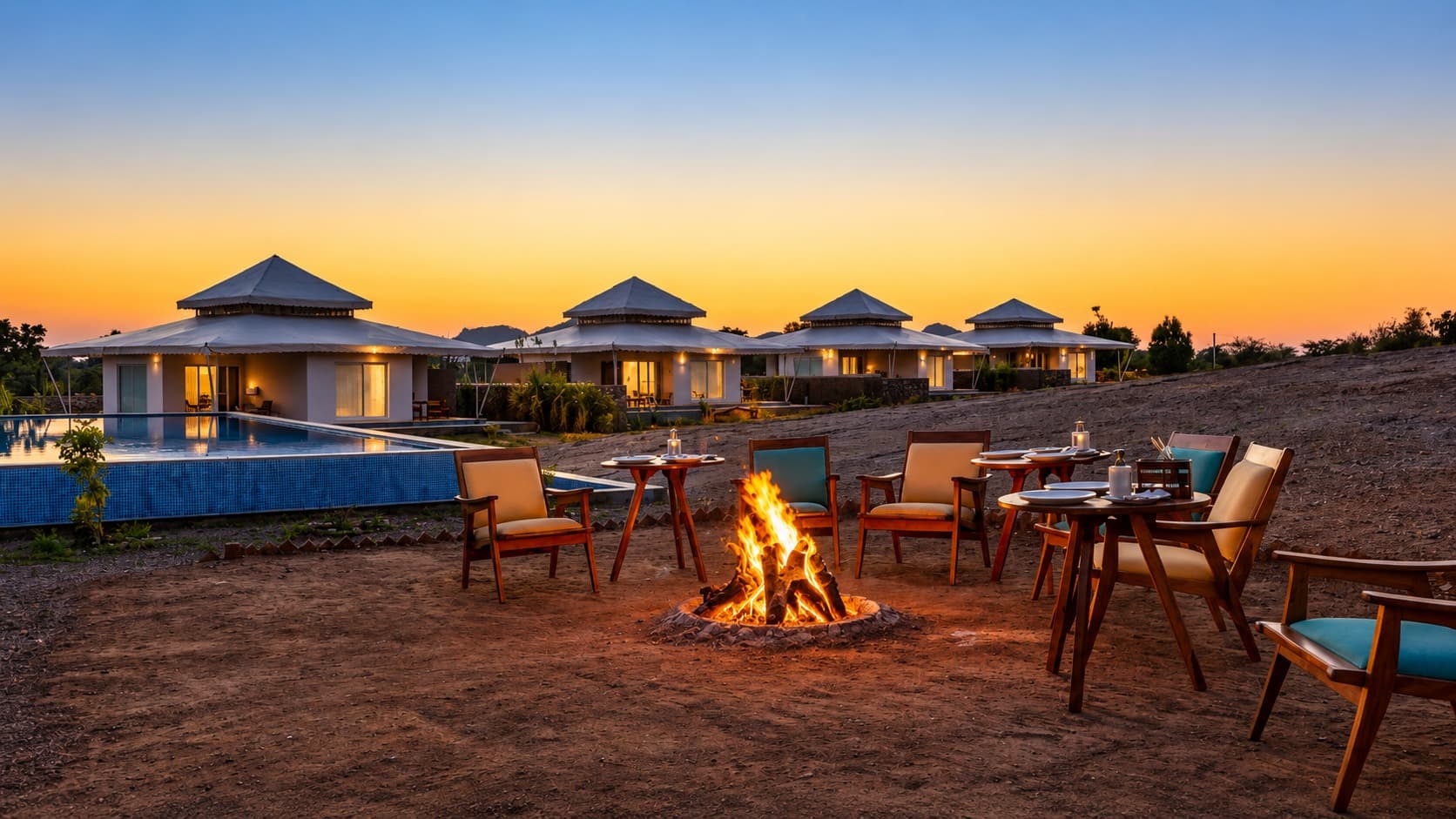
Table of Contents
- 1. Why Jawai Is Unlike Any Other Wildlife Destination in India
- 2. What a Wilderness Hotel in Jawai Actually Feels Like
- 3. The Landscape That Changes the Stay
- 4. What the Jawai Luxury Resort Should Deliver
- 5. What to Do When the Wilderness Is the Point
- 6. Brij Pola, Jawai
- 7. FAQs
Why Jawai Is Unlike Any Other Wildlife Destination in India
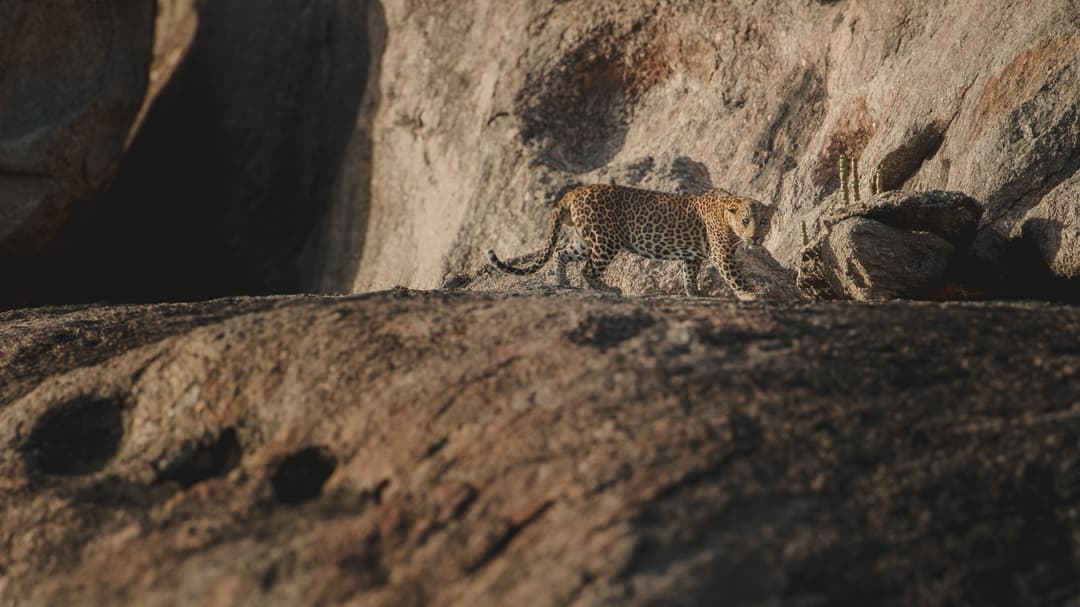
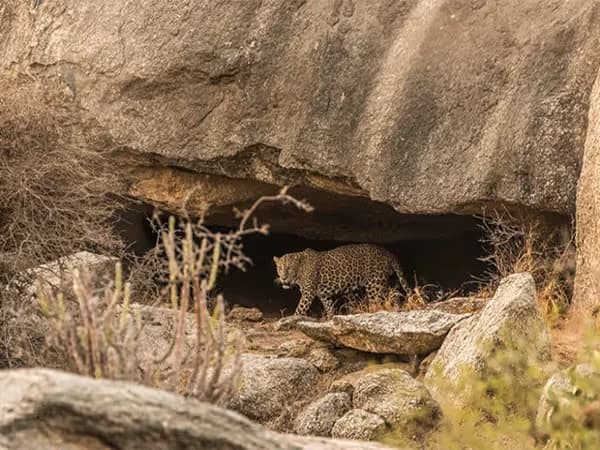
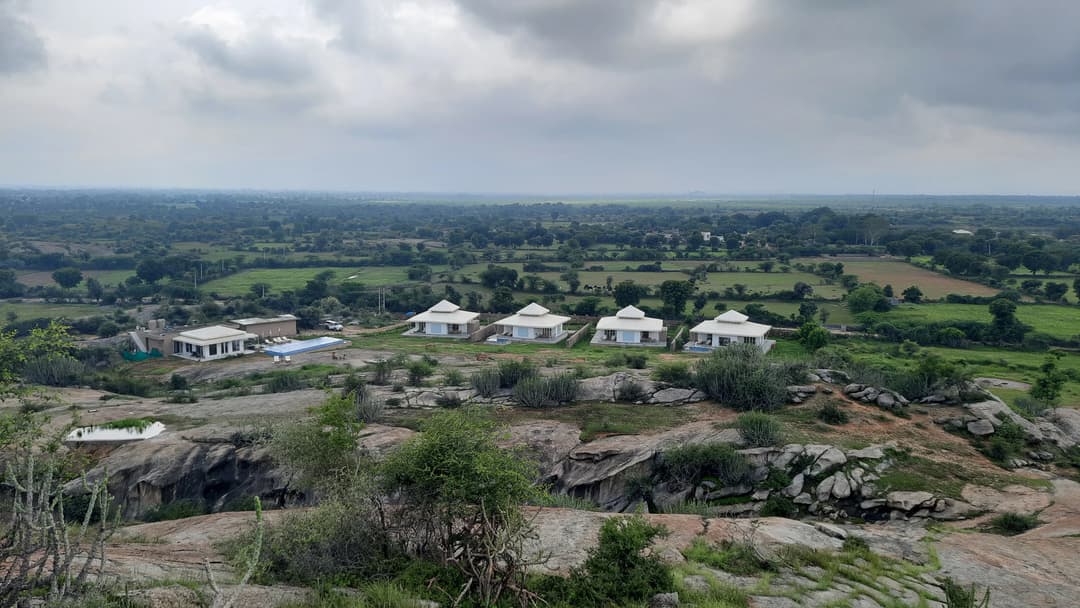
Most wildlife destinations in India are about the forest. The dense canopy, the tiger reserve, the safari jeep moving through the undergrowth at dawn. Jawai is about rock. The granite formations that rise from the Rajasthan plains in formations that look like a different planet decided to leave something behind, enormous, rounded, balanced on each other in ways that defy the expectation of how rocks behave. And moving through these rocks, in daylight, at distances that make the binoculars optional rather than essential, are leopards.
The Jawai leopard is the specific thing that makes the hotels in Jawai conversation different from every other wildlife accommodation discussion in India. These leopards are not hiding. They move across open granite in the early morning and late afternoon, visible from the safari vehicle at a proximity that the forest-dwelling leopard of other reserves almost never allows. The Rabari pastoral communities who have lived alongside these animals for generations have not hunted them. The coexistence here is the specific story that makes Jawai worth the journey.
What a Wilderness Hotel in Jawai Actually Feels Like
A regular resort stay has a specific rhythm. You arrive, check in, find the pool, eat at the restaurant, sleep. The location is context, pleasant background to the stay rather than the reason for it.
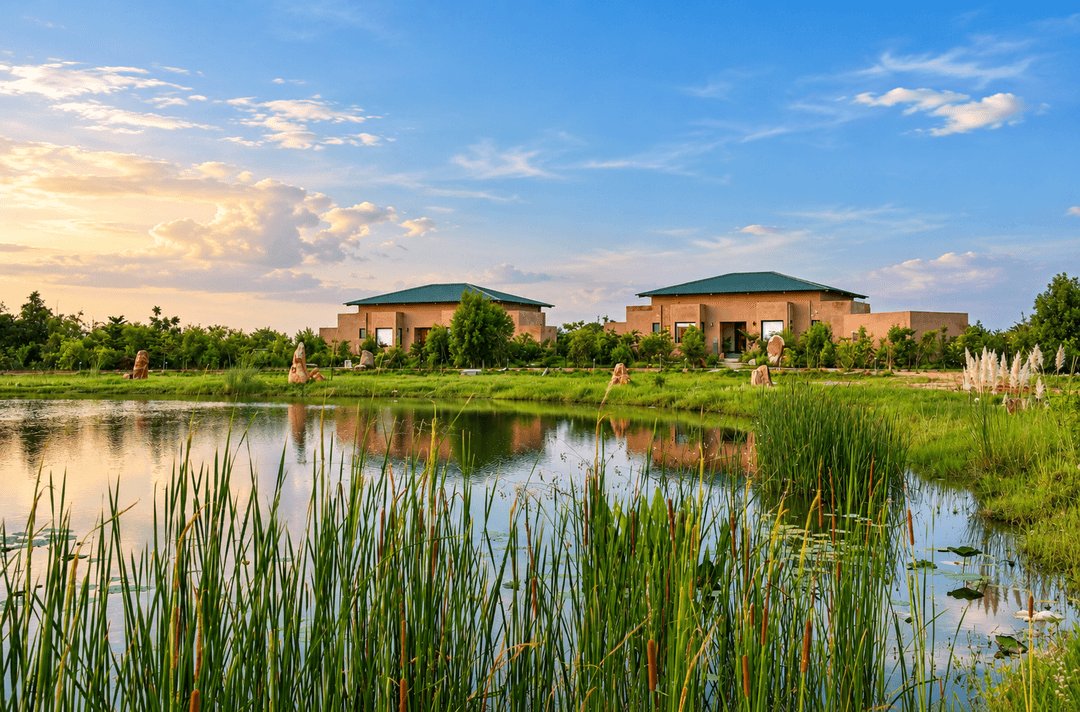
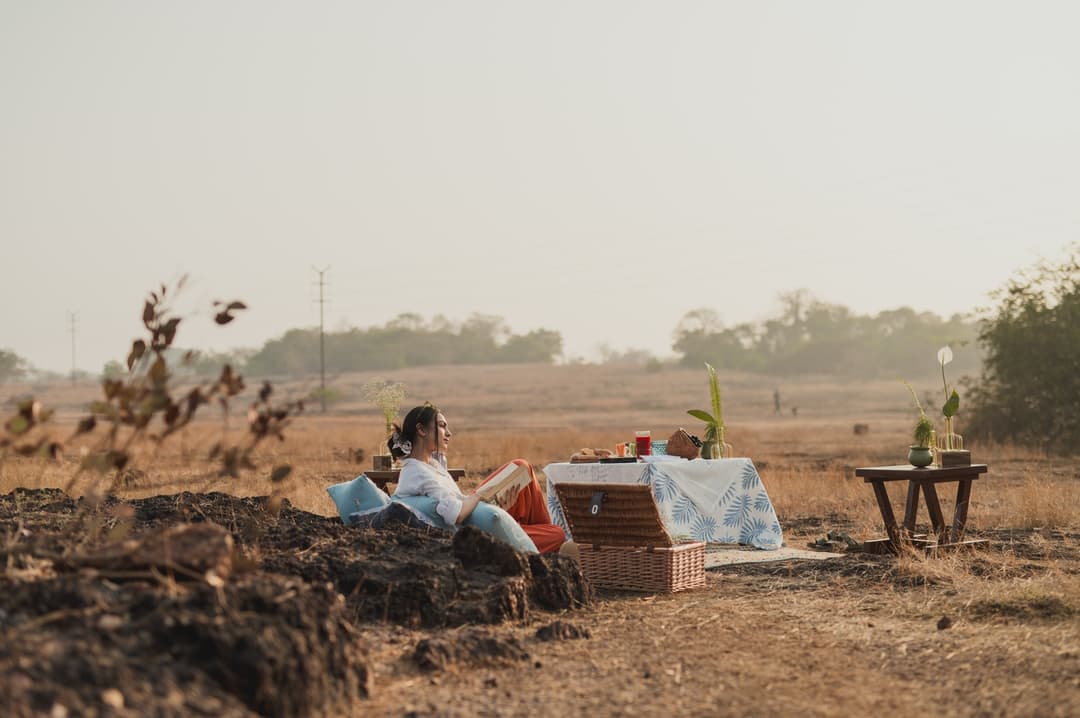
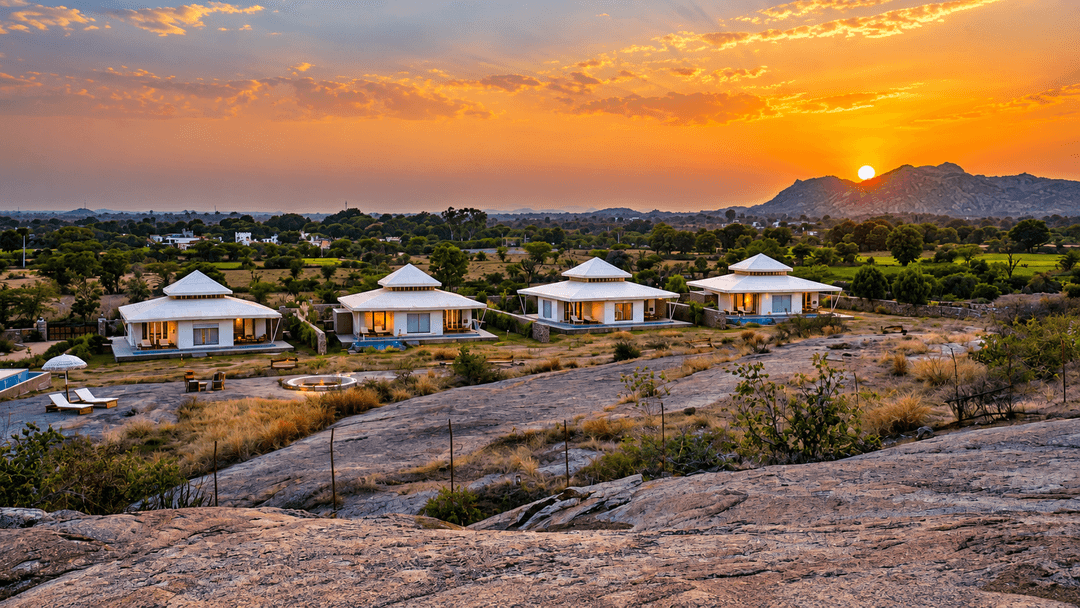
Hotels in Jawai work differently. The location is not the background. The granite, the reservoir, the leopard territory, the Rabari village within sight of the property, these are the foreground and the stay is organised around them. The morning starts before sunrise because the safari leaves at first light. The afternoon happens at the property because that's when the leopards are resting and the heat has made the open landscape temporarily inhospitable for extended time outside. The evening is the sundowner at the rocks, the fire after dark, the specific silence of a Rajasthan night in open country that the city-adjacent resort cannot manufacture.
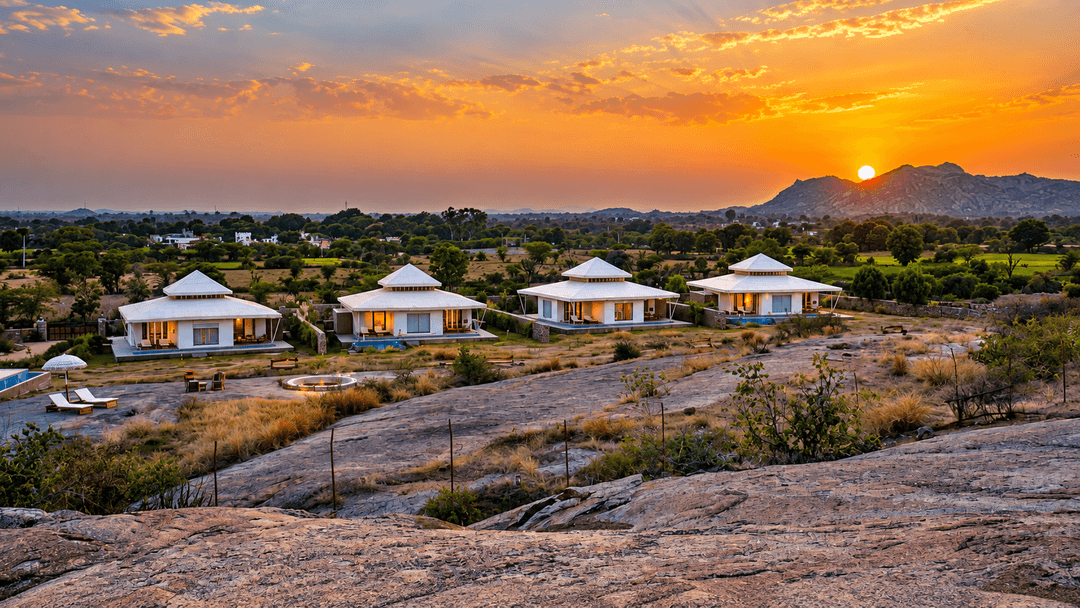
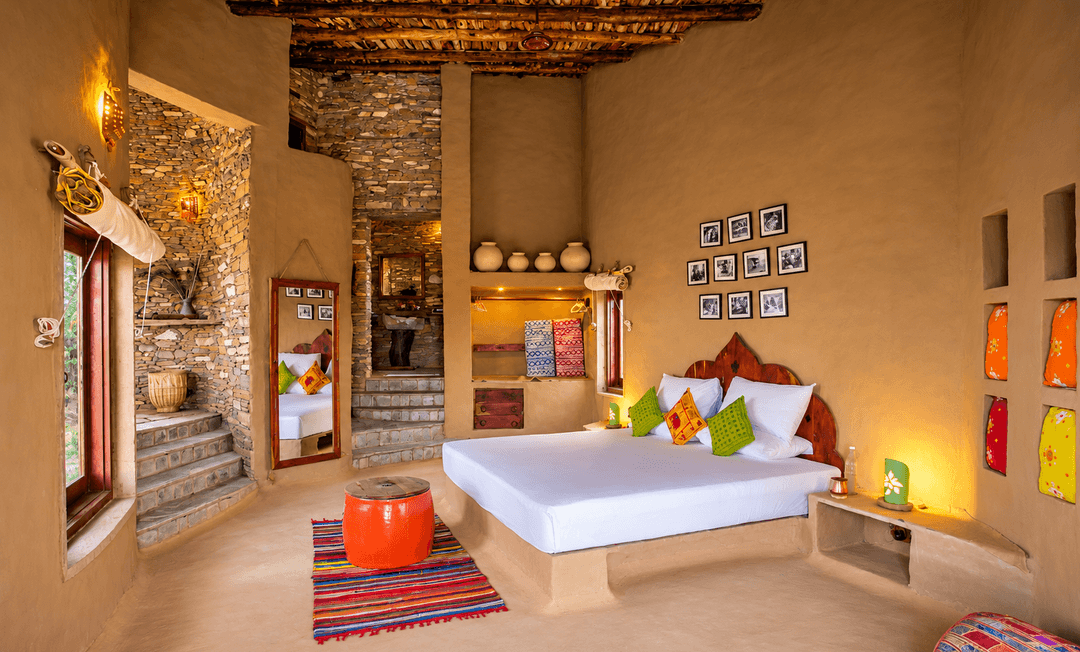
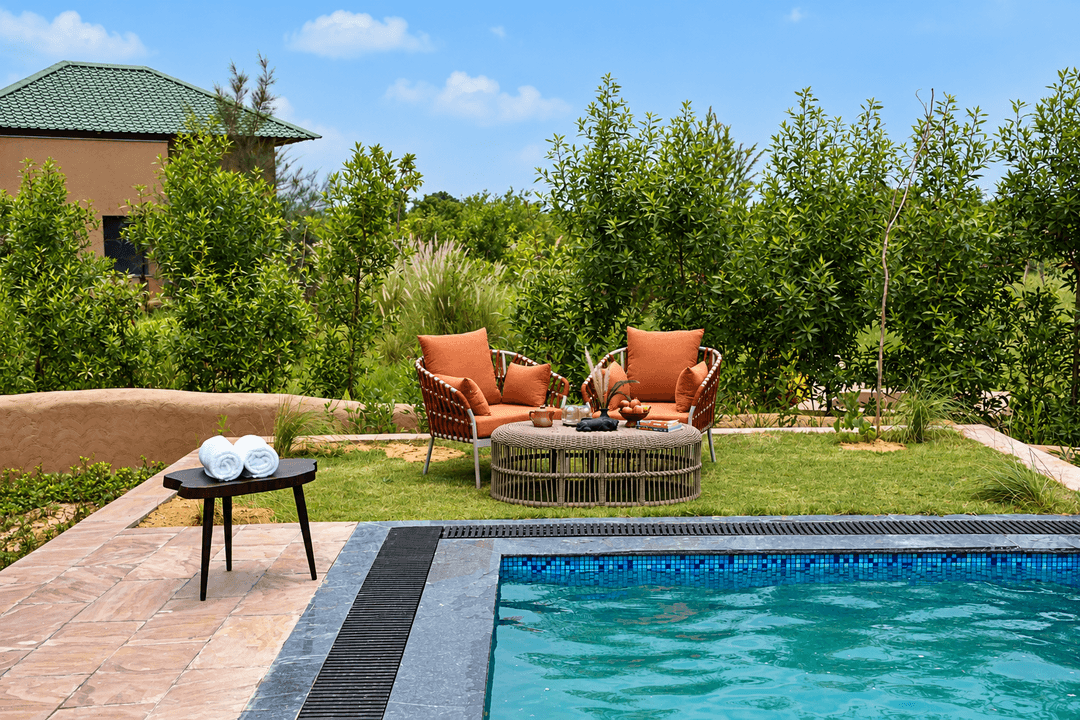
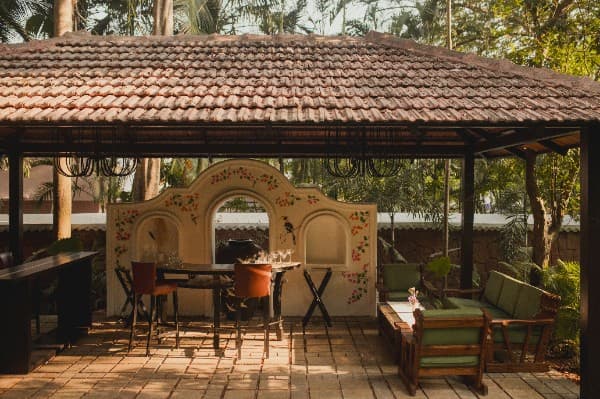
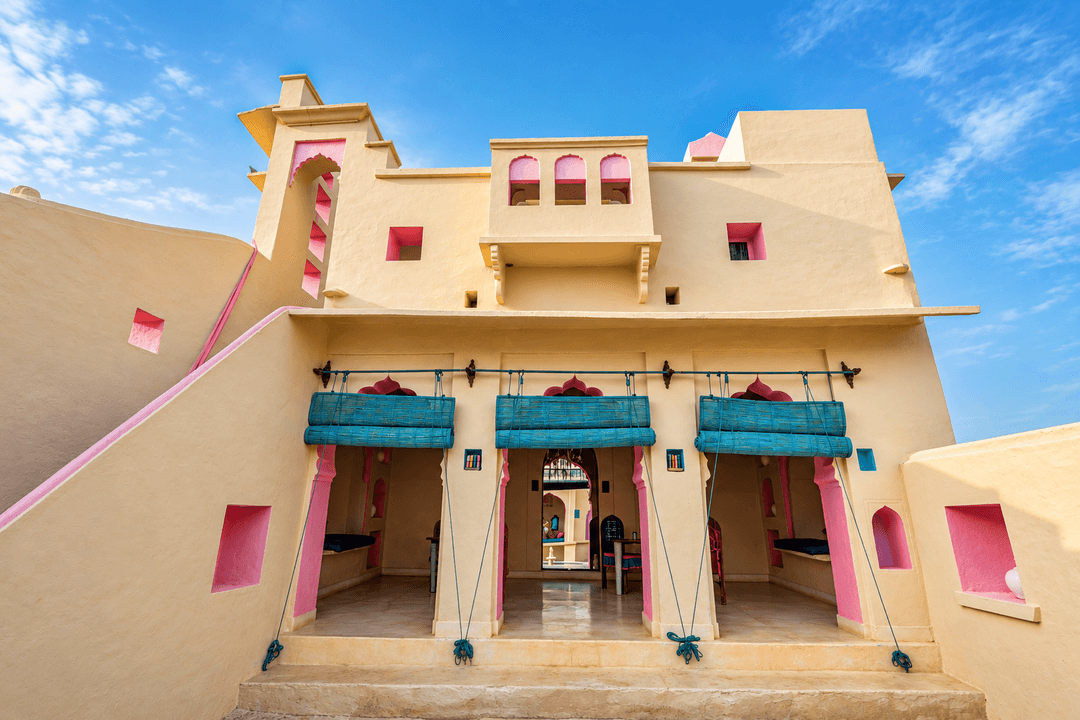
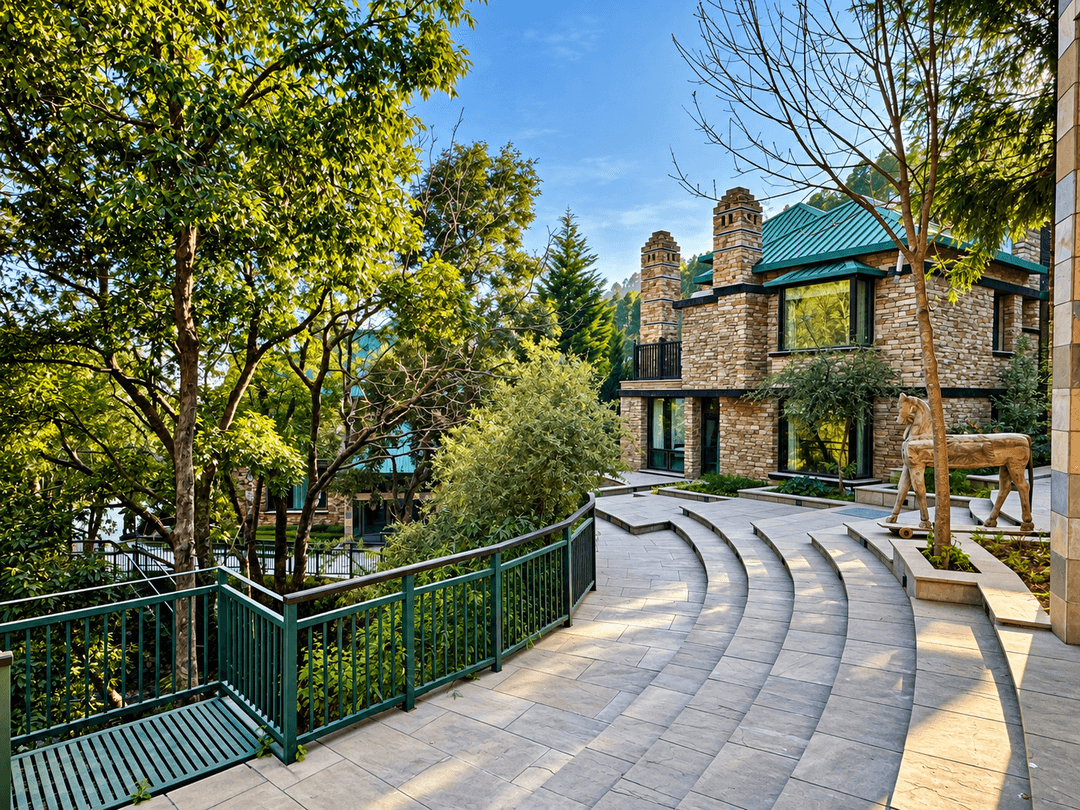
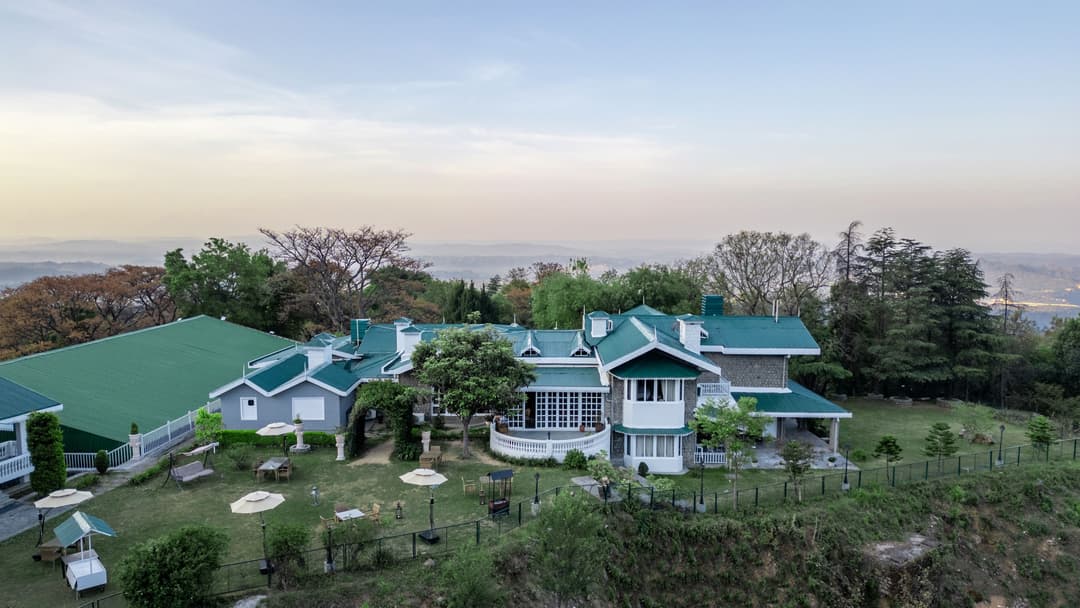
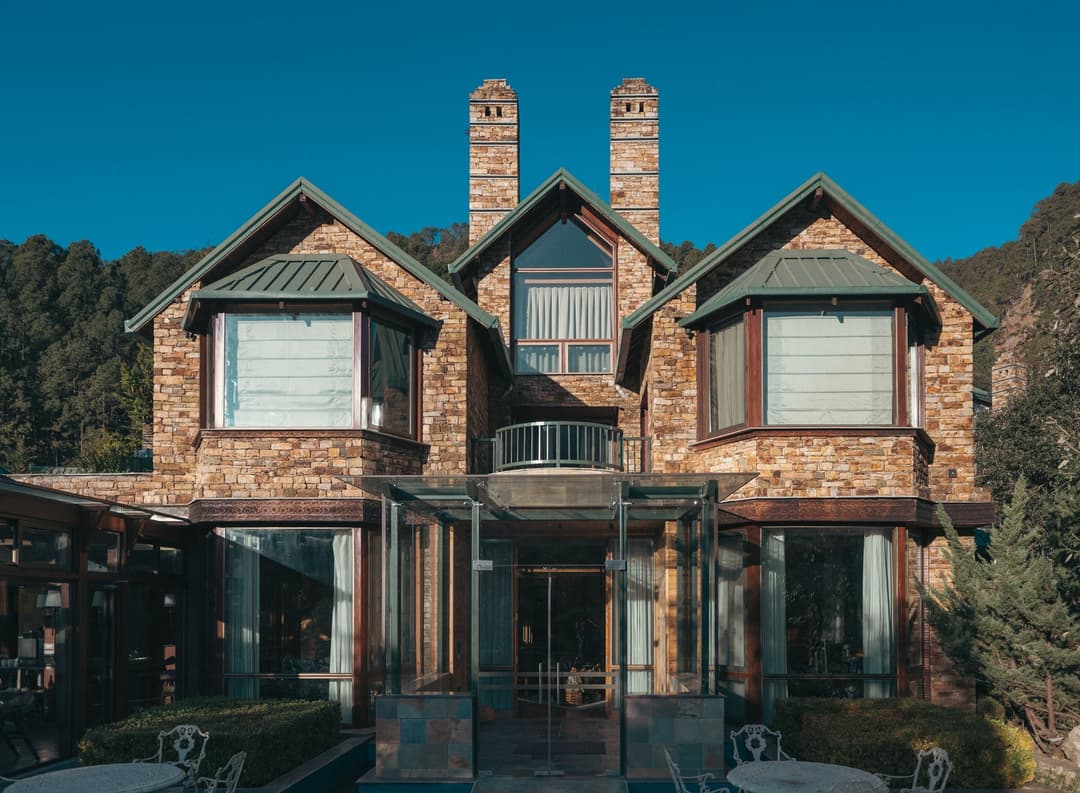
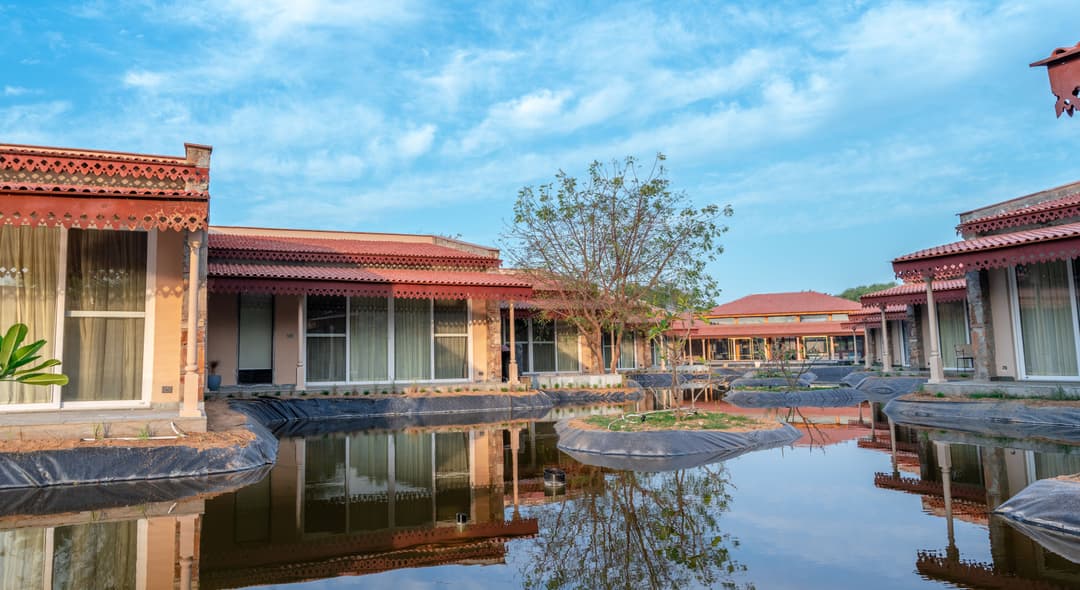
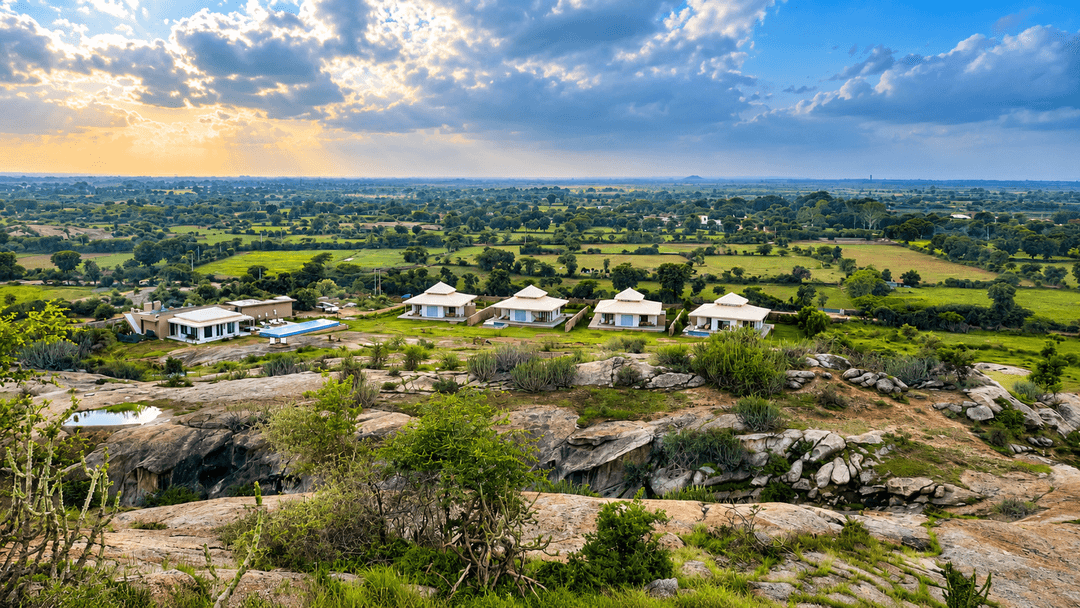
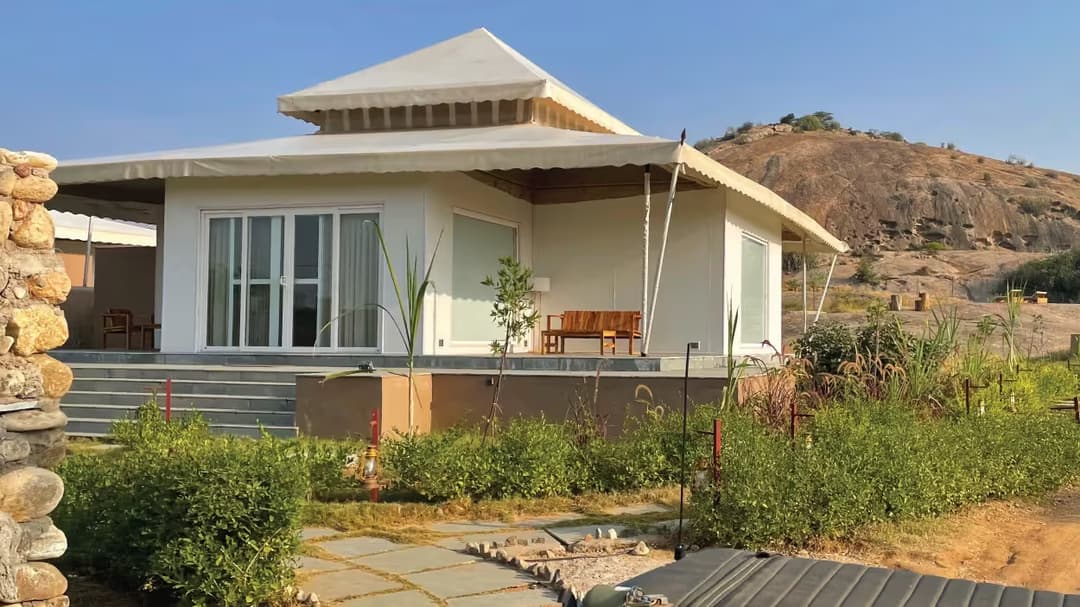
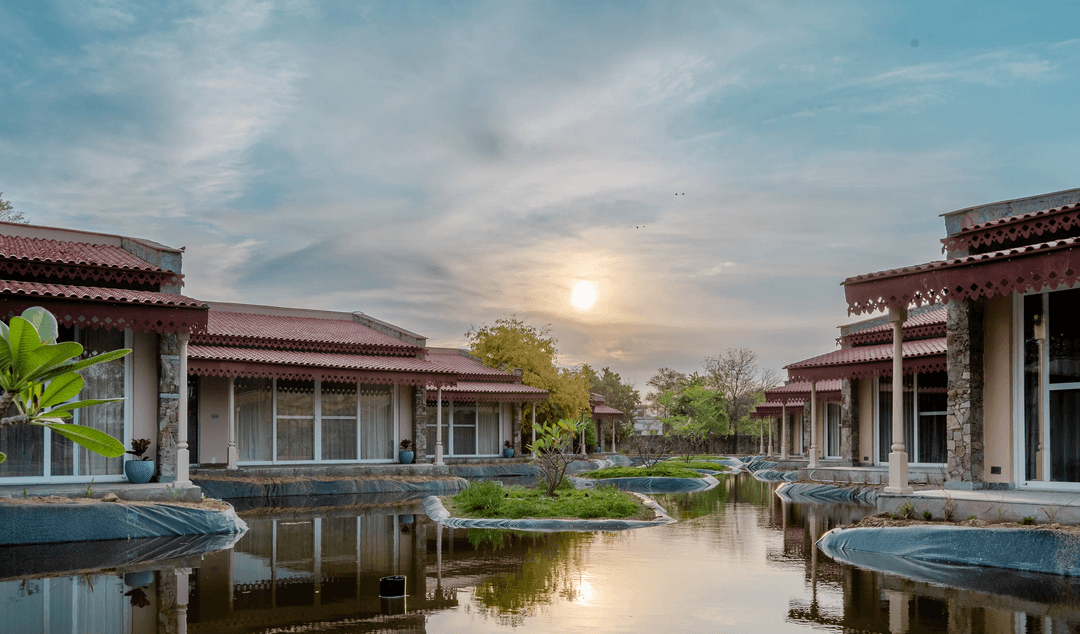
The architecture of the right hotels in Jawai responds to the landscape rather than ignoring it. The tents or cottages that face the granite. The outdoor space that makes the landscape present from the room rather than visible only from the restaurant terrace. The specific design decision to leave the wilderness in view rather than frame it out.
Hotels in Jawai: The Landscape That Changes the Stay
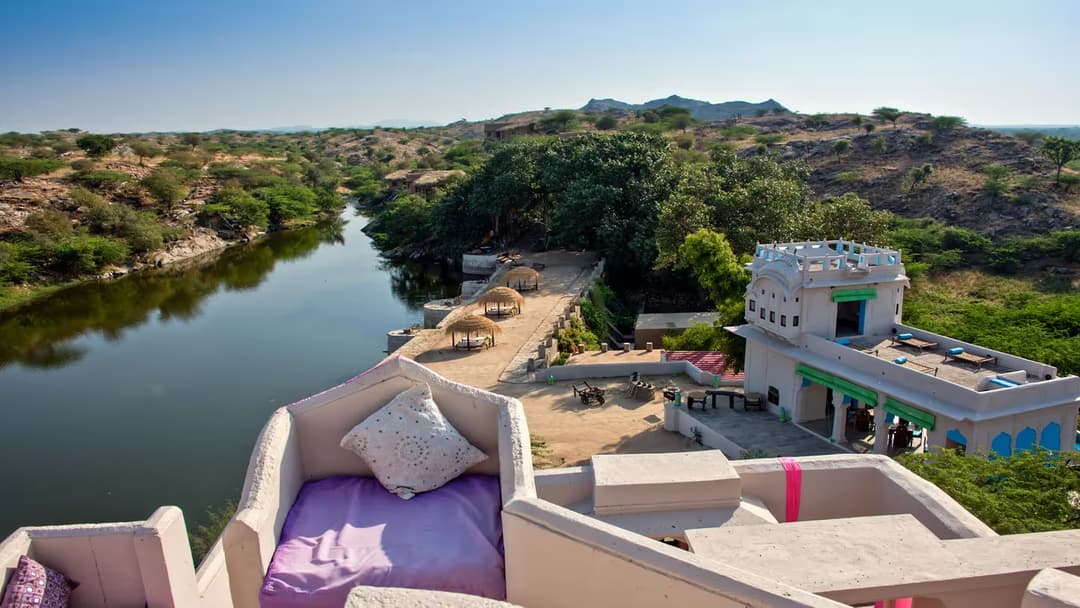
The Jawai Dam reservoir is the water source that holds the ecosystem together, the crocodiles that bask on the banks year-round, the flamingos that arrive in significant numbers between October and March, the birding that the reservoir and the surrounding scrubland produce across the seasons. Stays in Jawai positioned near the reservoir give the wildlife experience a second dimension alongside the leopard safari.
The Rabari community, the pastoral herders whose livestock move through the same landscape as the leopards, gives the cultural dimension that the pure wildlife resort doesn't carry. The village walk, the craft tradition, the specific relationship between a human community and a wild predator that has developed over generations, this is the Jawai story that the Jawai luxury resort visit gives access to through the right property's programme.
What the Jawai Luxury Resort Should Deliver
The camp or the cottage facing the granite. Not the pool facing another room and a garden wall. The morning safari that leaves from the property rather than requiring a 30-minute drive to a booking counter. The naturalist who knows the individual leopard territories rather than the guide who knows the safari route.
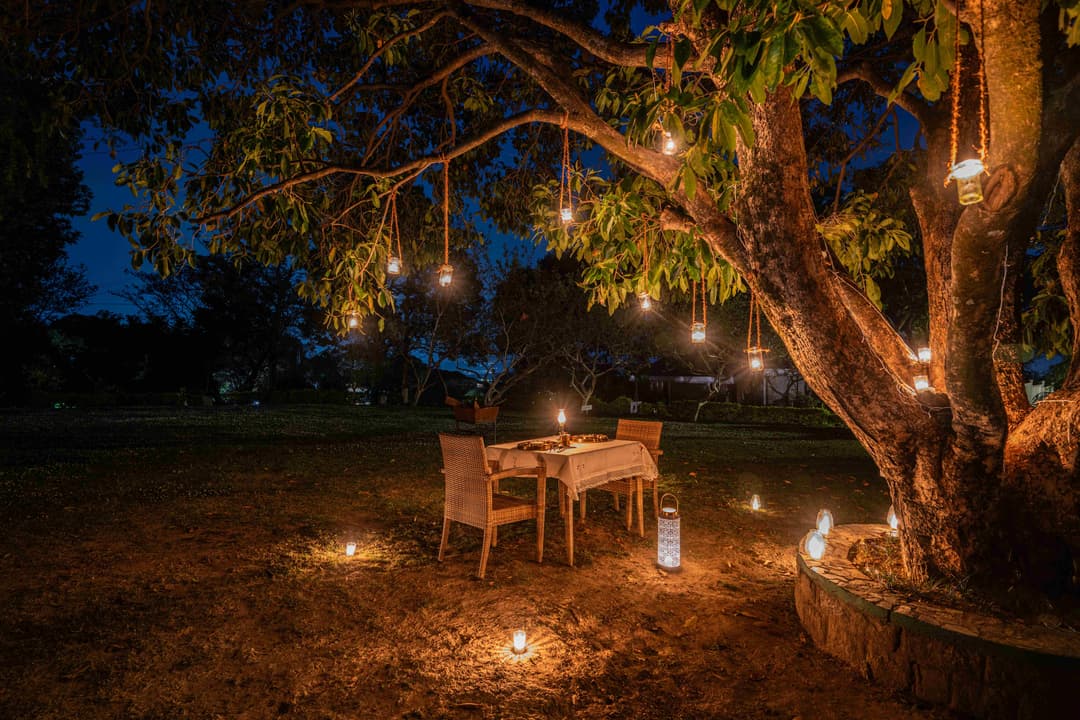
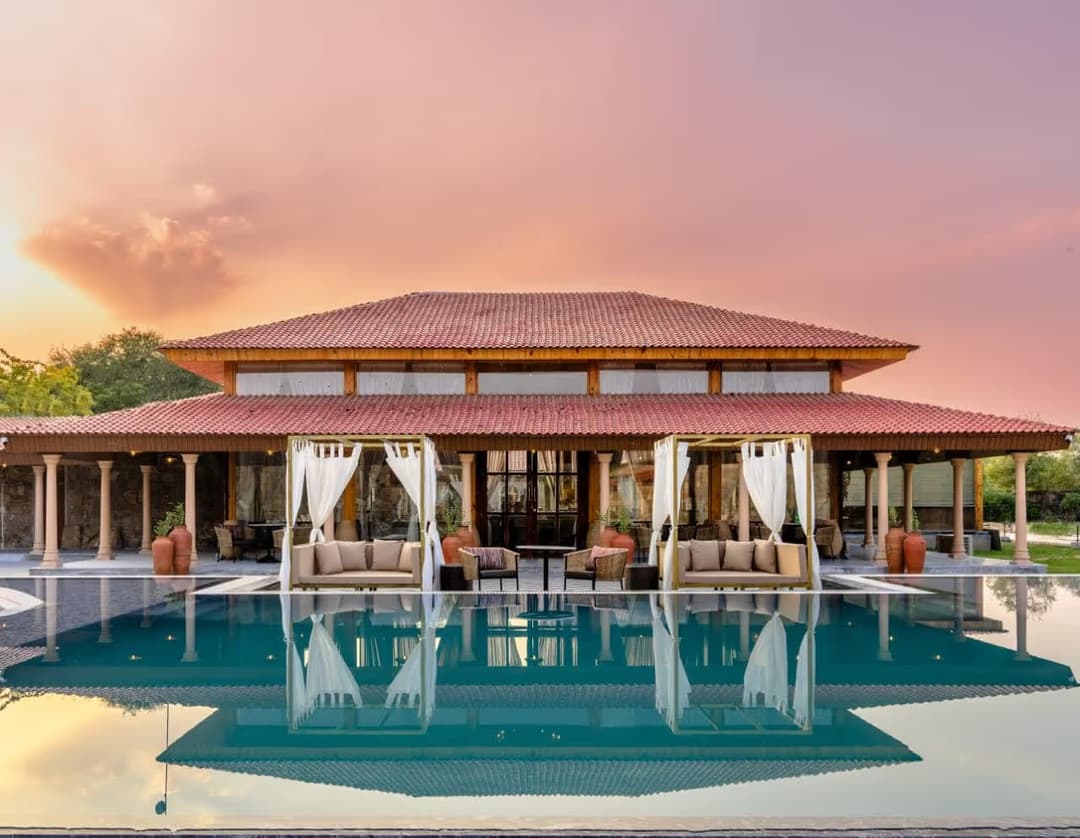
The Jawai luxury resort kitchen that reflects where it is, the Rajasthani dal baati, the regional preparations of the Pali district, the dinner that happens by the fire in the open air rather than in the dining room with the air conditioning running.
The sundowner at the rocks as a daily ritual rather than a package add-on. Stays in Jawai that make this the default evening rather than the optional extra understand what the Jawai stay actually is.
What to Do When the Wilderness Is the Point
The leopard safari at dawn. The boat on the reservoir for the crocodile and the birding. The Rabari village walk for the cultural layer the wildlife alone doesn't provide. The Ranakpur Jain Temple, 50 kilometres from Jawai, the 15th-century marble temple with 1,444 individually carved pillars, for the heritage visit that the Jawai base specifically enables. Kumbhalgarh Fort for the 36-kilometre wall and the Aravalli drama that the same road to Ranakpur passes through.
The evening is the fire and the sky. Jawai's remoteness means the dark sky here is the actual sky, the Milky Way visible from the camp without optical equipment, the specific reason the evening at the wilderness hotel is as memorable as the morning safari.
Brij Pola, Jawai
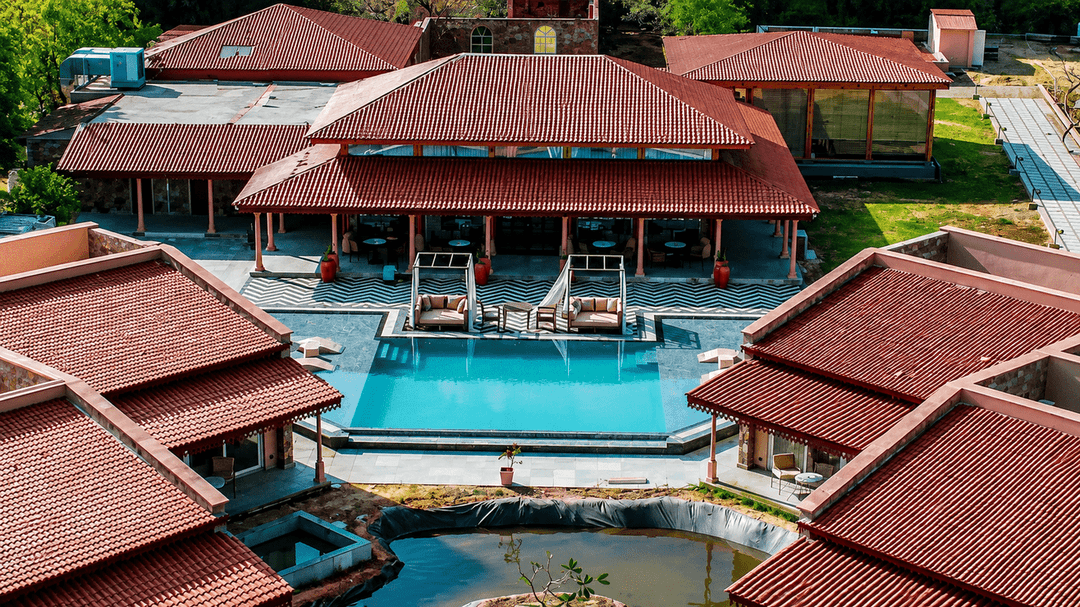
For hotels in Jawai that deliver the wilderness experience rather than approximate it, Brij Pola is genuinely worth getting excited about. The Brij Hotels approach to curated luxury applied to the Jawai landscape, the tented camp positioned for the granite, the safari programme, the Rabari village access, the Jawai luxury resort experience where the landscape is the point rather than the backdrop. Stays in Jawai at the level where arriving feels like stepping into something rather than checking into somewhere. The wilderness hotel stay that justifies the journey entirely.
FAQs
1. What is Jawai famous for?
Jawai in Rajasthan is famous for its leopard population, the highest density of leopards in any non-forested habitat in India, living in and around the granite rock formations alongside the Rabari pastoral communities without conflict. The Jawai Dam reservoir adds flamingos, marsh crocodiles, and significant birding to the wildlife calendar.
2. When is the best time to visit Jawai?
October through March is the prime window, the winter months give comfortable temperatures, the migratory bird season at the reservoir, and the clearest conditions for leopard sightings on the open granite. The monsoon from July through September brings green to the landscape and the leopards remain present, though the sightings require more patience as the vegetation provides more cover.
3. How far is Jawai from Udaipur and Jodhpur?
Jawai sits approximately 160 kilometres from Udaipur and 170 kilometres from Jodhpur, roughly 3 to 3.5 hours from each. Both cities have airports with connections to Delhi and Mumbai. Falna is the nearest railway station at approximately 20 kilometres from the main Jawai area.
4. What makes hotels in Jawai different from a standard wildlife resort?
The open landscape. The Jawai leopard moves across visible granite rather than through dense forest, the sighting experience is fundamentally different from the tiger reserve safari. The coexistence between the Rabari community and the leopards adds a cultural layer that the pure wildlife reserve doesn't carry. And the remoteness of the Jawai landscape gives the dark sky, the silence, and the specific wilderness character that the more accessible reserves have partially lost to visitor volume.
5. Is Jawai suitable for a couple's or honeymoon trip?
Specifically suited. The private camp setting, the sunrise safari, the sundowner at the rocks, the fire in the open air, the dark sky, hotels in Jawai at the luxury end give the couple's trip the specific combination of wilderness and intimacy that the beach resort and the city hotel both approach differently and neither fully delivers. The Jawai luxury resort stay for two is the Rajasthan trip that doesn't feel like the standard Rajasthan circuit.