What Makes a Heritage Hotel in Varanasi Different From a Modern City Hotel?
21-09-2026
Table of Contents
- 1. Varanasi Is Not a City You Experience From a Distance
- 2. The Architecture Question: Why the Building Changes Everything
- 3. What Heritage Hotels in Varanasi Give You
- 4. The Ghat Access Difference: Why It Matters More Than It Sounds
- 5. What Luxury Hotels in Varanasi Should Deliver
- 6. BrijRama Palace
- 7. FAQs
Varanasi Is Not a City You Experience From a Distance
Most cities can be experienced from a hotel that sits slightly removed from the main action. You drive in, you see the monument, you drive back. Varanasi doesn't work this way. The city's life, the specific thing that makes it unlike anywhere else in India, happens at the ghats, in the early morning, in the lanes behind them, in the specific religious and cultural intensity that runs continuously rather than at scheduled hours. The hotel that puts you inside this is a different product from the hotel that puts you near it. And in Varanasi, near is not good enough.
The Architecture Question: Why the Building Changes Everything
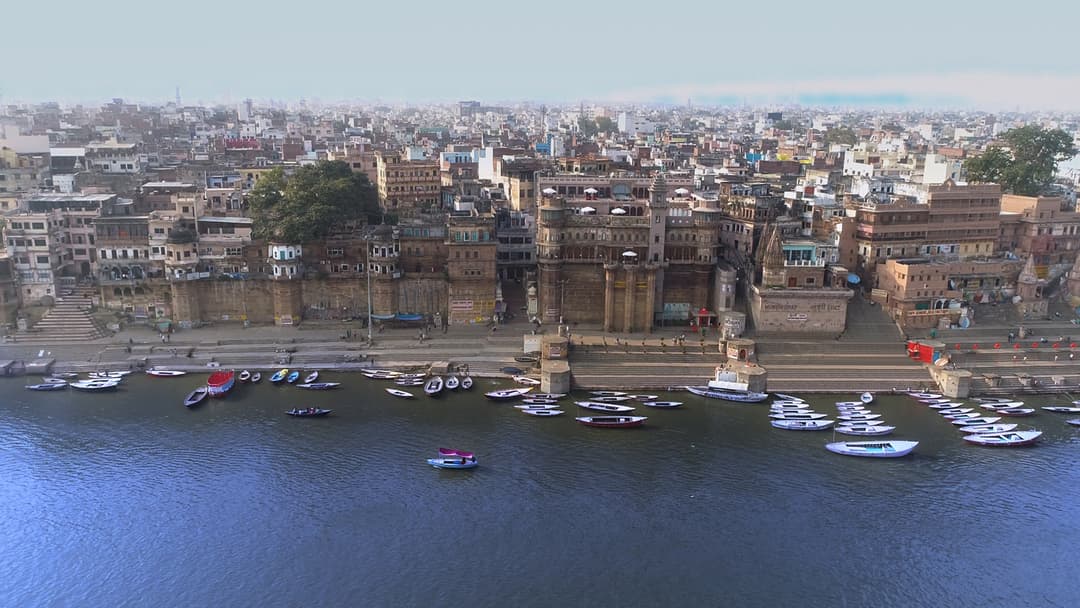
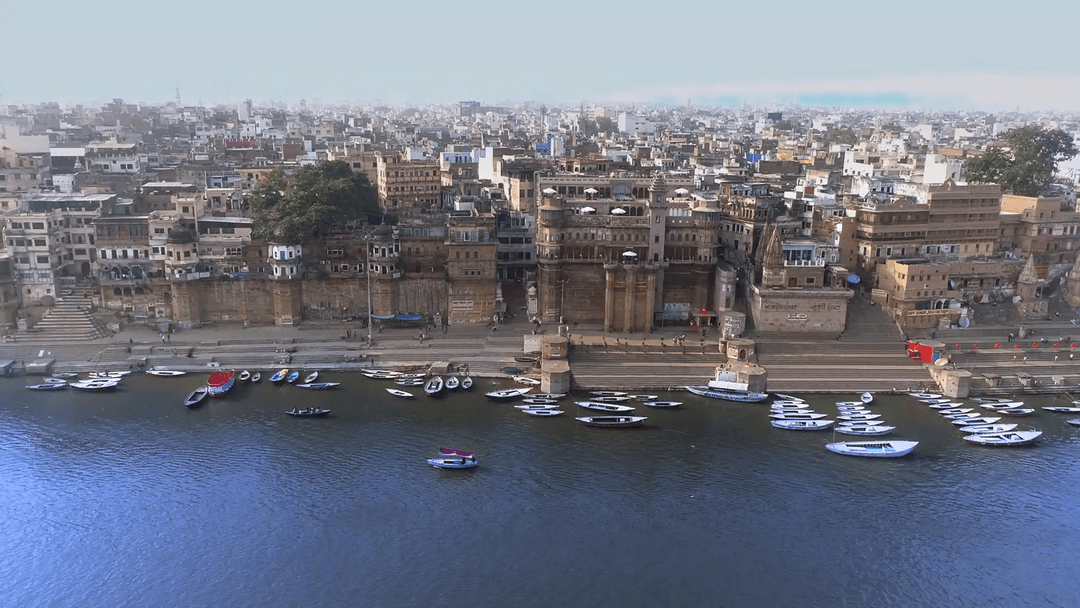
Varanasi has been continuously inhabited for over 3,000 years. The buildings that face the Ganga on the ghat line, the palaces, the havelis, the temples, were built by Maharajas and merchants and religious institutions over centuries, each choosing the river position for the reason every subsequent visitor has also chosen it. The view, the access, the specific spiritual weight of a building facing the Ganga in Kashi.
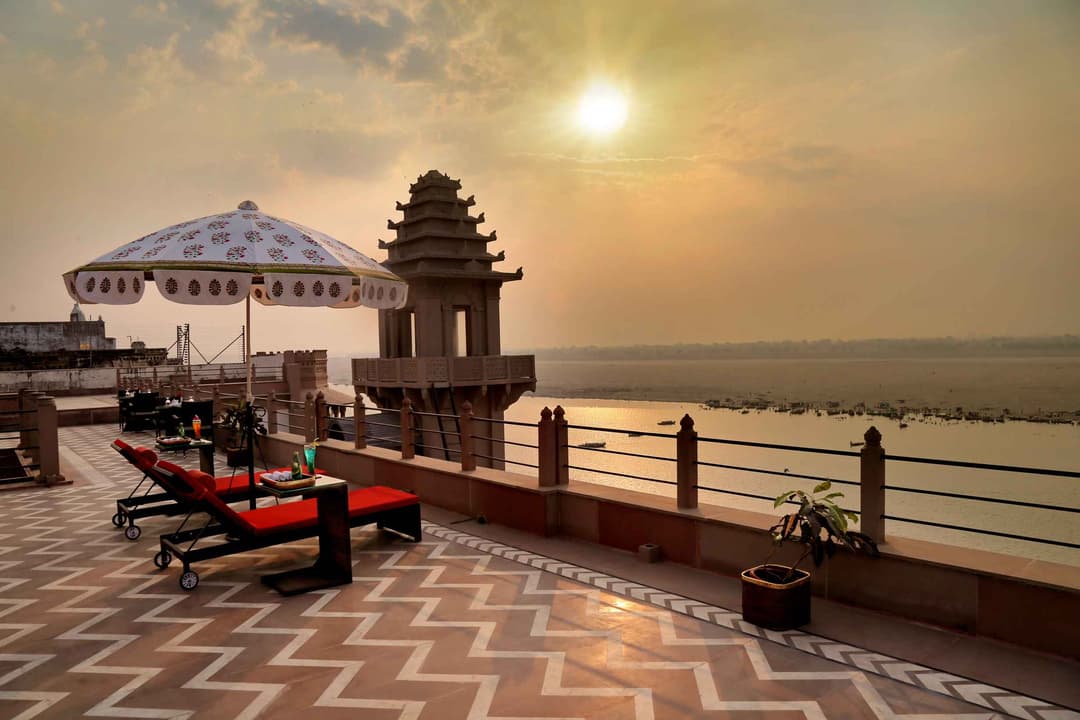
Heritage hotels in Varanasi that occupy these buildings give the guest the benefit of centuries of considered positioning. The windows face the river at the angle the original builders chose. The courtyard was designed for the specific social and religious functions of the household that built it. The terrace was built for the Ganga view in the specific way that means the light in the early morning comes over the far bank and across the water and arrives at the room before the city has fully started.
A modern city hotel, however well designed, was built in the time it took to build it, on the land that was available when it was built. The heritage property was built over decades, on the land the builder chose because it was the best land, for reasons that remain compelling.
What Heritage Hotels in Varanasi Give You
The specific position on the ghat. Not nearby. On it. The boat for the Ganga aarti leaves from the ghat steps below the property rather than from a jetty you've been driven to. The Amrit Vela, the pre-dawn sacred hour, is a walk from the room rather than an arranged transfer. The morning bath at the ghat is available before 5 am because the ghat is where you already are.
Heritage hotels in Varanasi give you the Kashi experience in its original geographic context, the river, the ghats, the city behind them, from the specific position inside it rather than from the position of a well-located modern hotel that is still, fundamentally, outside looking in.
The cultural programming that the heritage property carries is the other dimension. The music in the courtyard that belongs to the space it's performed in. The spiritual practice that the building's history makes present rather than arranged. The specific weight of being in a structure that has been part of Varanasi's religious and cultural life for longer than most institutions in India have existed.
The Ghat Access Difference: Why It Matters More Than It Sounds
The Ganga aarti at Dashashwamedh Ghat every evening is one of the most extraordinary religious ceremonies in India. The professional who has seen it knows that the experience depends enormously on where you are in relation to it. The boat on the river during the aarti, watching all of it from the water, the ghat lit up from the flame, is a specific thing. The hotel on the ghat whose property gives you direct access to the boat departure is a different arrangement from the hotel whose concierge books you a shared boat from a distant jetty.
Heritage stays in Varanasi on the ghat handle this natively. The river is the address, not the attraction.
What Luxury Hotels in Varanasi Should Deliver
Luxury in Varanasi is not the same conversation as luxury in Mumbai or Delhi. The thread count and the spa menu are not the point. The point is the position, the ghat, the Ganga, the heritage structure that gives the stay its specific Varanasi character. Luxury hotels in Varanasi that understand this build the room quality and the service standard around the geographic and architectural positioning rather than leading with amenities that could exist anywhere.
The luxury hotels in Varanasi worth choosing are the ones where the position is the premium, the ghat access, the heritage building, the specific quality of the morning that the river view from the room produces, alongside the comfort standard that the rate warrants.
BrijRama Palace, Varanasi
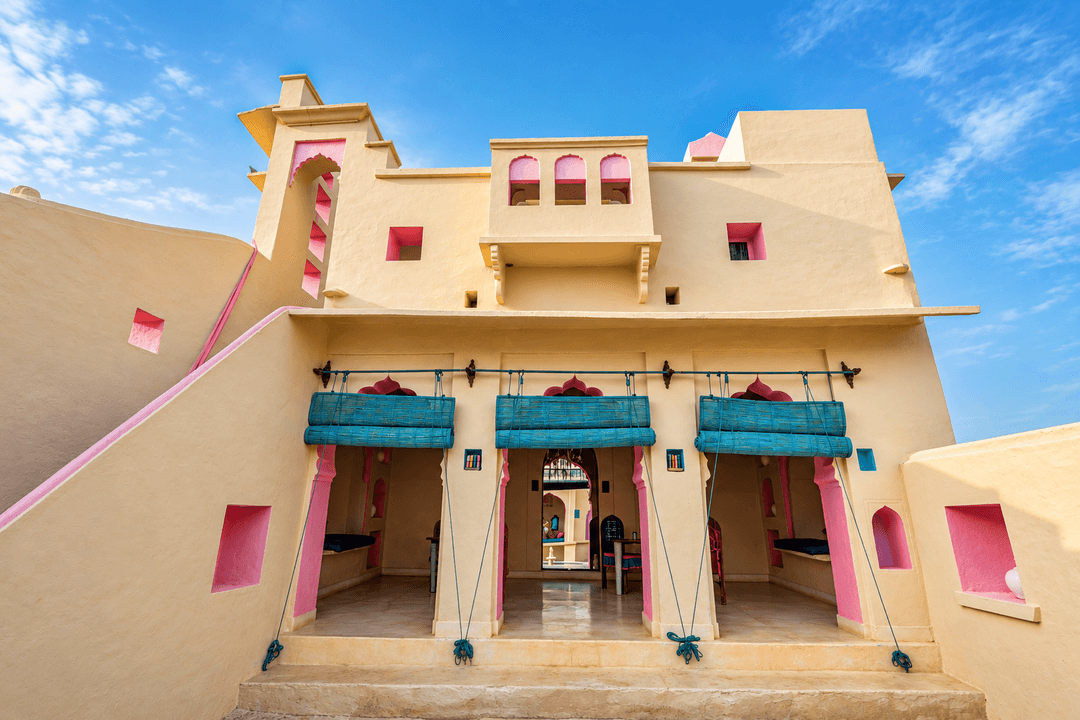
For heritage hotels in Varanasi that deliver the ghat position, the river view, and the Brij Hotels hospitality standard in the same address, BrijRama Palace is genuinely worth getting excited about. A 19th-century palace on the Darbhanga Ghat, the building facing the Ganga directly, every terrace and room positioned for the view and the access that the heritage location specifically provides. Luxury hotels in Varanasi at the level where the building is the reason you're there, the architecture, the ghat steps, the boat to the aarti from below the property. BrijRama Palace is the Varanasi stay that earns every description of it.
FAQs
1. What is the main difference between heritage hotels in Varanasi and modern hotels?
Position and architecture. Heritage hotels in Varanasi occupy buildings on the ghat line, built over centuries for the specific reason of facing the Ganga in Kashi. The ghat access, the river view from the room, the cultural and spiritual context the building carries, these are the things the modern city hotel, however well designed, cannot replicate through décor or amenities.
2. What is the Amrit Vela and why does staying on the ghat matter for it?
The Amrit Vela is the pre-dawn sacred hour, approximately 4 am to 6 am, when the Ganga is considered at its most spiritually potent and the pilgrimage bathing most auspicious. Heritage stays in Varanasi on the ghat give direct access to the river at this hour without transport or prior arrangement. The hotel away from the ghat requires an organised transfer at 3:30 am for the same experience.
3. Is the Ganga Aarti experience different when staying on the ghat?
Significantly. The boat departure from the ghat below your property, the view of the lit ghat from the water during the ceremony, the return to the hotel through the ghat lanes after the aarti, these are the versions of the experience that the ghat position provides. The visitor transported to the aarti from a distant hotel and transported back is watching the same ceremony from a different relationship to it.
4. What is Darbhanga Ghat and why is it significant?
Darbhanga Ghat is one of the historic ghats on the Varanasi riverfront, named after the Darbhanga royal family of Bihar who built and maintained it. The BrijRama Palace occupies this ghat, giving the property the specific Maharaja heritage and the river position that the ghat's history carries.
5. How many days do you need in Varanasi to experience it properly?
Three days minimum, the morning aarti visit, the ghat circuit, the Kashi Vishwanath Temple, the Sarnath day trip, and the evening ceremony all require proper time rather than the rushed day visit. The heritage hotel stay specifically warrants three nights because the morning quality, the Amrit Vela, the river at dawn, is the experience the visit is built around and it requires being there rather than commuting to it.